check

check

check

check
check
check
check
check

check

check
In the dynamic world of industrial automation, precision, reliability, and durability are non-negotiable. Among the myriad of components that keep modern production lines and machinery running seamlessly, the photoelectric switch stands out as a critical sensor technology. Specifically, the FKB18E14J photoelectric switch has garnered significant attention for its robust performance in diverse and demanding environments. This guide delves into the features, applications, and advantages of this particular sensor, explaining why it is a preferred choice for engineers and system integrators.
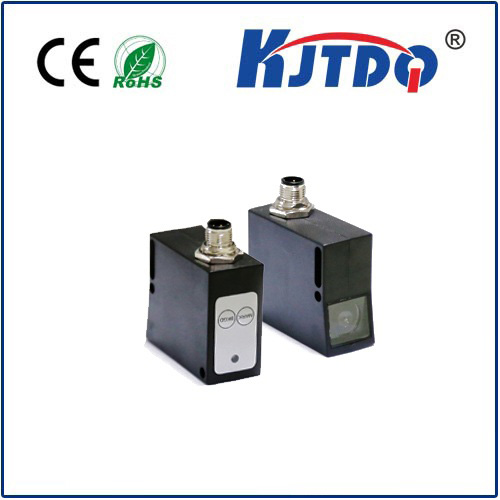
Photoelectric switches operate on a simple yet powerful principle: they use a light beam, typically infrared, visible red, or laser, to detect the presence, absence, or distance of an object. The FKB18E14J model is a through-beam type sensor. This design consists of two separate units—a transmitter and a receiver. The transmitter emits a continuous beam of light towards the receiver. When an object passes between them, it interrupts this beam, causing the receiver to send a signal to the connected control system. This method offers exceptional sensing ranges and high reliability, as it is less susceptible to interference from the object's color, surface texture, or material, provided the object is opaque enough to break the beam.
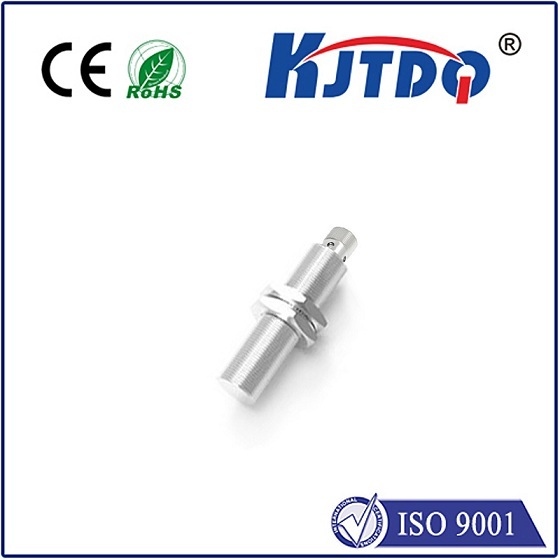
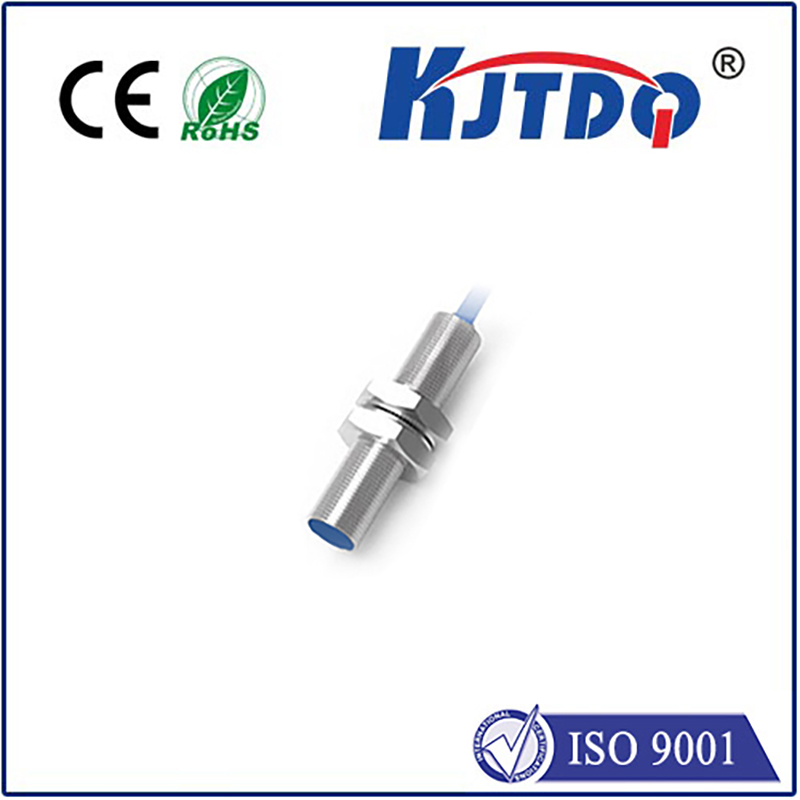
The FKB18E14J is engineered for industrial rigor. Its housing is typically constructed from durable materials like nickel-plated brass or stainless steel, offering excellent resistance to corrosion, impacts, and environmental stressors such as dust, moisture, and oil splashes. Many variants come with an IP67 protection rating, meaning they are dust-tight and can withstand temporary immersion in water, making them suitable for washdown areas in food and beverage processing or outdoor applications.
One of its key technical strengths is its long sensing range. Through-beam photoelectric sensors can detect objects over distances that far exceed those of diffuse-reflective or retro-reflective models. The FKB18E14J can reliably operate over several meters, allowing for flexible installation in large machinery or conveyor systems. This extended range is crucial for applications like material handling, where packages on a wide belt need to be detected well in advance for sorting or counting.
Installation and alignment are straightforward but vital. Since the transmitter and receiver must be precisely aligned for optimal performance, the units often feature built-in alignment indicators, such as LED lights that change color or intensity when the beam is properly received. Proper mounting on stable brackets ensures the alignment is maintained despite vibrations, a common challenge in industrial settings. The electrical connection is typically via a pre-wired cable or a quick-disconnect M12 connector, facilitating easy integration into control cabinets and reducing downtime during maintenance or replacement.
The applications for the FKB18E14J photoelectric switch are vast. In packaging lines, it ensures cartons are present before applying labels or sealing. In automotive assembly, it verifies the correct positioning of components on a robotic arm's path. In warehouse automation, it counts items on high-speed conveyors and manages inventory flow. Its immunity to most surface characteristics makes it ideal for detecting transparent objects like glass bottles or plastic films, where other sensor types might fail. Furthermore, its fast response time allows it to keep pace with high-speed production, ensuring no event is missed.
When selecting a sensor like the FKB18E14J, several factors must be considered. The required sensing distance, the environmental conditions (temperature, humidity, presence of chemicals), the size and type of the target object, and the required output signal (e.g., NPN, PNP, analog) all play a role. Consulting the manufacturer's detailed datasheet is essential to match the sensor's specifications with the application's demands. Regular maintenance, though minimal, involves keeping the lenses clean from dirt or buildup that could attenuate the light beam and periodically checking the alignment and mounting stability.
In conclusion, the FKB18E14J photoelectric switch exemplifies the innovation and reliability demanded by today's automated industries. Its through-beam design provides unwavering accuracy over long distances, while its rugged construction ensures longevity in harsh conditions. By enabling precise object detection, it forms the backbone of efficient, safe, and intelligent automation systems. For any project requiring dependable non-contact sensing, understanding and utilizing the capabilities of the FKB18E14J is a step toward optimized operational performance and reduced downtime.