check

check

check

check
check
check
check
check

check

check
In the world of industrial automation and process control, precision and reliability are non-negotiable. The CX-443 photoelectric switch stands as a cornerstone component for countless applications, from intricate assembly lines to robust material handling systems. This comprehensive guide delves into the core technology, diverse applications, and critical selection criteria for this essential sensing device, providing a clear path to optimizing your operations.
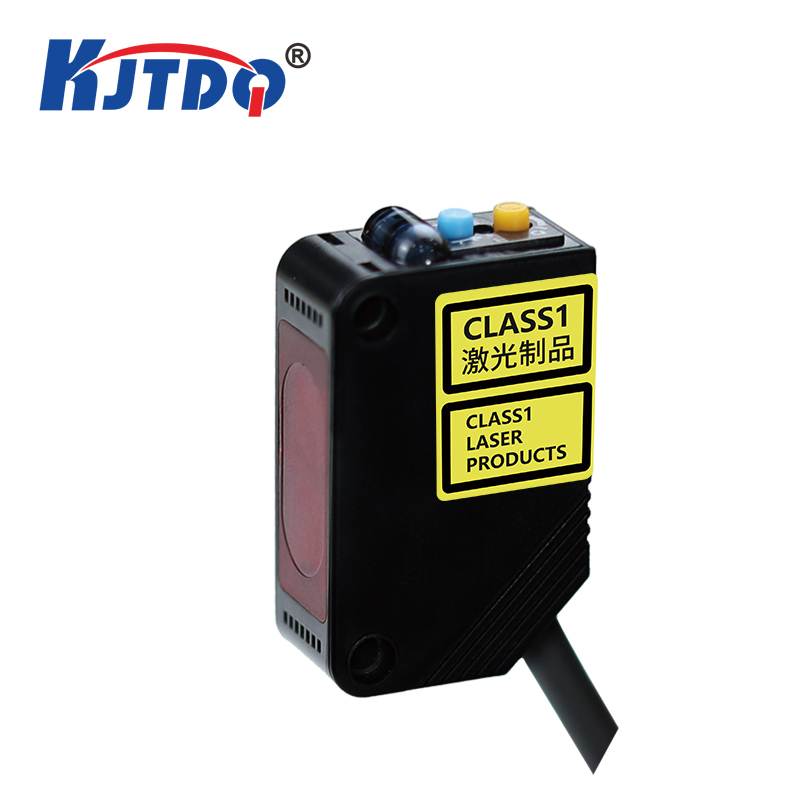
At its heart, a photoelectric switch like the CX-443 operates on a simple yet profoundly effective principle: it uses a light beam to detect the presence, absence, or distance of an object. The transmitter emits a beam of light—often infrared, red, or laser—which is then either reflected back to a receiver within the same unit or received by a separate receiver unit. The CX-443 typically utilizes the through-beam or retro-reflective sensing mode, offering long-range detection and high immunity to environmental interference. When the light beam is interrupted or reflected by a target object, the switch's output state changes, sending a clear signal to a programmable logic controller (PLC) or other control system. This fundamental action forms the basis for automation, enabling tasks like counting, positioning, sorting, and quality inspection to occur seamlessly and without physical contact.
The versatility of the CX-443 photoelectric sensor is one of its greatest strengths. In packaging machinery, it ensures precise product positioning for labeling and filling. On conveyor belts, it counts items, detects jams, and verifies object height. Within the automotive industry, these switches are indispensable for robotic guidance and part verification. They are equally vital in warehouse automation, managing inventory by detecting pallets and boxes. Their ability to function reliably in demanding environments—withstanding vibrations, temperature fluctuations, and exposure to dust or light washdowns—makes them a preferred choice over mechanical limit switches. The non-contact nature of the technology eliminates wear and tear on the sensor itself and prevents damage to delicate objects being sensed, leading to significantly lower maintenance costs and higher system uptime.
Selecting the right photoelectric switch is paramount for system efficacy. The CX-443 model is designed with specific parameters that must be matched to the application. Key factors include sensing range, which must accommodate the maximum distance at which the target needs to be detected. The size, color, and material of the target object are crucial; a shiny, reflective surface behaves differently than a matte, dark one. The operating environment dictates the required housing material—often stainless steel or rugged plastic—and the Ingress Protection (IP) rating, which certifies resistance to dust and moisture. Output type is another critical decision: NPN or PNP transistor outputs interface with different PLC types, while relay outputs can handle higher power loads directly. Understanding these specifications ensures the CX-443 integrates flawlessly into your control architecture.
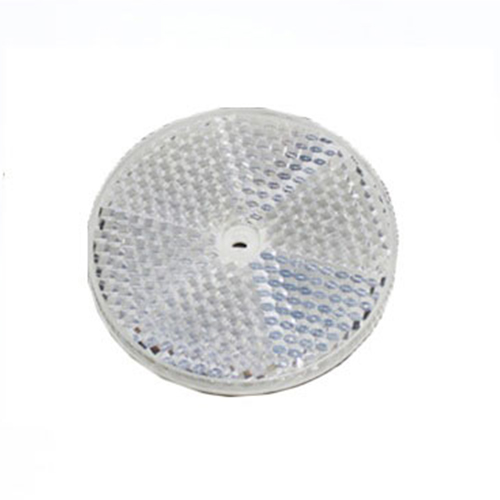
Proper installation and alignment are the final steps to unlocking the full potential of the CX-443. Even the most advanced sensor will underperform if misaligned. For through-beam types, the transmitter and receiver must be precisely opposite each other. Retro-reflective models require correct alignment with a reflector. Many modern versions, including advanced iterations of the CX-443 series, feature built-in alignment aids like visible red beams or precise signal strength indicators (often LED bargraphs). Regular maintenance, though minimal, involves keeping the lens clean from obstructions like dust, oil, or debris, which can scatter or block the light beam. A simple periodic check of the sensor's response and a visual inspection can prevent unexpected downtime.
In conclusion, the CX-443 photoelectric switch represents more than just a component; it is an enabler of efficiency, safety, and intelligence in automated systems. Its robust design, based on proven optical sensing technology, provides a reliable solution for a vast array of detection challenges. By carefully considering the application requirements—from target characteristics to environmental conditions—and following best practices for installation, engineers and technicians can leverage the CX-443 to build more responsive, durable, and productive automated systems. As industries continue to evolve towards greater connectivity and smart manufacturing, the role of dependable photoelectric sensors like the CX-443 will only become more central to operational success.