check

check

check

check
check
check
check
check

check

check
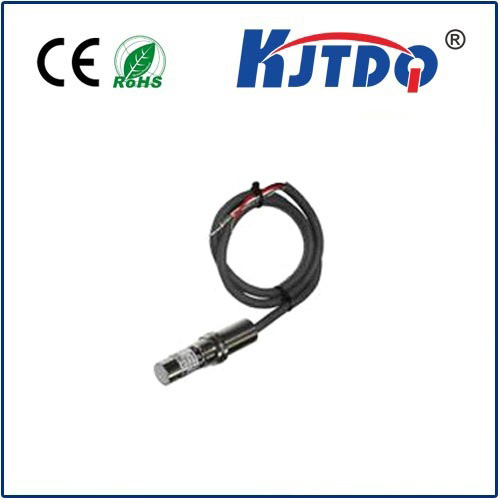
In the world of industrial automation, precision and reliability are non-negotiable. The ZM18-3012NK photoelectric switch stands as a testament to this principle, offering a robust solution for countless sensing applications. This compact yet powerful device is engineered to deliver consistent performance in demanding environments, making it a preferred choice for engineers and system integrators globally. Unlike mechanical switches prone to wear and tear, the ZM18-3012NK utilizes advanced optical technology, ensuring contactless operation and a significantly longer operational lifespan.
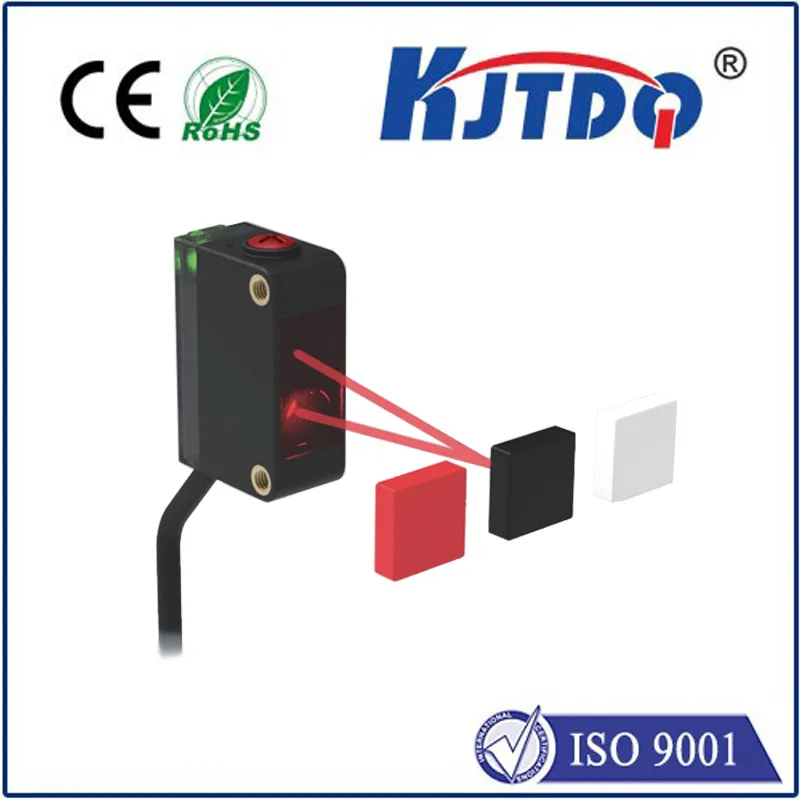
At its core, the ZM18-3012NK is a diffuse reflective sensor. This means it houses both the light emitter and the receiver in a single unit. It operates by emitting a beam of light—typically infrared or visible red—and detecting the light that is reflected back from a target object. The key to its functionality is the contrast in reflectivity. When an object enters the sensing range, it reflects enough light back to the receiver, triggering a switching action in the sensor's output circuit. This design eliminates the need for a separate reflector, simplifying installation and reducing component costs. The "NK" suffix often denotes specific features like a built-in amplifier or a particular housing material, tailored for niche applications.
The technical specifications of the ZM18-3012NK reveal its capabilities. It typically features a sensing range suitable for mid-distance detection, often up to several hundred millimeters, with high repeat accuracy. The housing is commonly constructed from nickel-plated brass or high-grade plastic, providing excellent resistance to oils, coolants, and industrial chemicals. It boasts an IP67 protection rating, meaning it is dust-tight and can withstand temporary immersion in water, making it ideal for washdown areas or outdoor use. The electrical output is usually in the form of a robust NPN or PNP transistor, compatible with standard programmable logic controllers (PLCs) and other control systems. Its response time is measured in milliseconds, enabling it to keep pace with high-speed production lines.
The practical applications of the ZM18-3012NK photoelectric switch are vast and varied. On packaging lines, it reliably detects the presence of boxes, bottles, or cans, ensuring proper filling and routing. In material handling, it counts objects on conveyors or verifies the position of pallets. Within automated assembly systems, it confirms the placement of components before a robotic arm proceeds to the next step. It is also extensively used for level detection in silos or tanks, preventing overflows or shortages. Its durability makes it perfect for harsh settings like woodworking, metalworking, and automotive manufacturing, where dust, chips, and vibrations are commonplace.
Selecting and installing the ZM18-3012NK requires attention to detail. First, confirm the required sensing distance and the size, color, and surface finish of the target object, as these factors directly affect performance. Dark or matte surfaces reflect less light and may require a sensor with a reduced sensing range or a special background suppression feature. During installation, ensure the sensor is firmly mounted to avoid misalignment caused by vibration. Keep the lens clean from dirt, dust, or condensation, as contamination is a leading cause of sensor failure. Always wire the device according to the manufacturer's datasheet, paying close attention to the polarity of the power supply and the load connection to prevent damage.
Troubleshooting common issues often involves a systematic approach. If the sensor fails to detect an object, check the power supply voltage, verify the alignment between the sensor and the target, and clean the lens. Ensure the target object is within the specified sensing range and that its reflectivity is sufficient. Interference from ambient light, such as strong sunlight or other sensor beams, can be mitigated by using sensors with modulated light technology, which the ZM18-3012NK often incorporates. Regularly testing the sensor's output with a multimeter or the indicator LED can help diagnose electrical problems.
In conclusion, the ZM18-3012NK photoelectric switch represents a critical component in modern industrial systems. Its blend of durability, precision, and versatility provides a reliable foundation for automation. By understanding its operating principle, specifications, and optimal application practices, technicians and engineers can maximize system uptime and efficiency. For anyone designing or maintaining automated equipment, mastering the use of sensors like the ZM18-3012NK is an essential step toward building more intelligent, responsive, and productive operations.