check

check

check

check
check
check
check
check

check

check
In the intricate world of industrial automation, where precision and reliability are non-negotiable, the choice of a sensing component can dictate the success or failure of an entire production line. Among the myriad of options available, the GLV18-8-450/59/102/159 photoelectric switch stands out as a paragon of engineering excellence. This comprehensive guide delves into the core features, operational principles, and diverse applications of this advanced sensor, providing a clear understanding of why it is a preferred choice for engineers and system integrators globally.
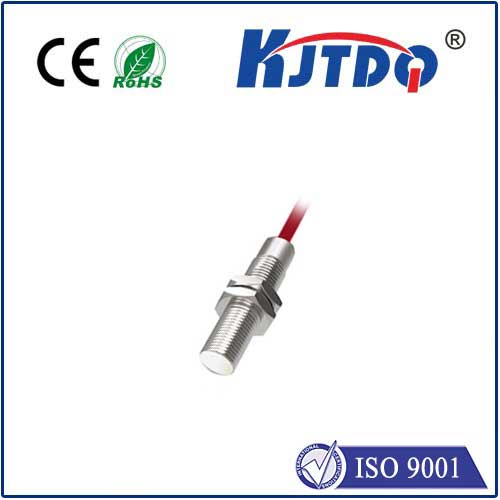
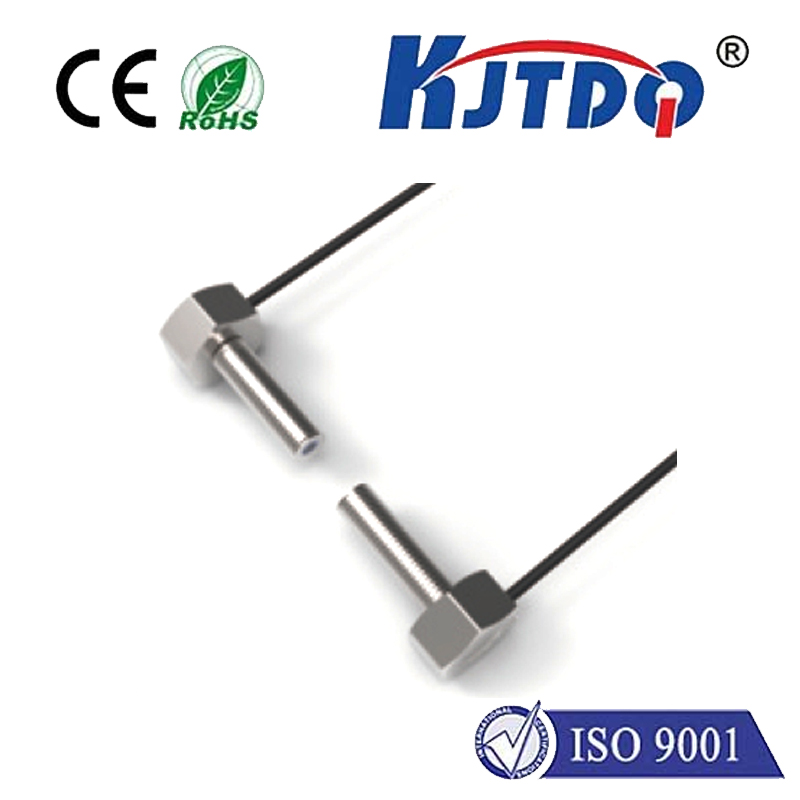
At its heart, the GLV18-8-450/59/102/159 is a sophisticated through-beam photoelectric sensor. This model number is not a random sequence; it is a detailed specification sheet that defines its capabilities. The designation typically breaks down to indicate key parameters: its housing size, sensing distance, light source type, output configuration, and connection method. This precise coding allows for immediate identification and ensures the correct sensor is selected for a specific, demanding task. The through-beam design, consisting of a separate transmitter and receiver, offers the longest and most reliable sensing range in its class. The transmitter emits a focused beam of light—often infrared or laser—which is then detected by the receiver. Any object interrupting this beam triggers a swift and accurate output signal.
The robustness of the GLV18-8-450/59/102/159 is a cornerstone of its design. Engineered for harsh industrial environments, it commonly features an IP67 or higher-rated enclosure, making it impervious to dust ingress and capable of withstanding temporary immersion in water. This resilience ensures uninterrupted operation in settings like automotive manufacturing, food and beverage processing, and material handling, where exposure to coolants, washdowns, and particulate matter is routine. The housing is typically constructed from durable materials like nickel-plated brass or stainless steel, providing excellent resistance to corrosion and physical impact.
Performance specifications of this sensor are tailored for high-demand applications. With a sensing distance (denoted by the '450' in its code) that can reach several meters, it can detect objects reliably from a significant range. Its response time is exceptionally fast, measured in milliseconds, enabling it to keep pace with high-speed conveyor systems and robotic arms. The output, often a solid-state NPN or PNP transistor, provides a clean, bounce-free signal compatible with all major brands of Programmable Logic Controllers (PLCs) and industrial computers. Advanced models may include features like adjustable sensitivity, time-delay functions, and a visible red or green beam for easy alignment and diagnostics, significantly reducing installation and maintenance time.
The practical applications of the GLV18-8-450/59/102/159 photoelectric switch are vast and varied. In packaging machinery, it is indispensable for precise box counting, label detection, and ensuring product presence before sealing. Within the automotive sector, it plays a critical role in verifying part placement on assembly lines, controlling robotic welding paths, and inspecting finished components. In warehouse automation, these sensors are the eyes of the system, managing inventory by detecting pallets on racks, controlling sortation systems, and providing safety interlocks on automated guided vehicles (AGVs). Their immunity to color and surface texture variations makes them far superior to other sensor types for consistent object detection.
Selecting and installing the GLV18-8-450/59/102/159 requires careful consideration. The primary decision point is the required sensing distance and the environmental conditions. For long-range, precise detection through potential airborne contaminants, the through-beam variant is ideal. Proper alignment of the transmitter and receiver is crucial; built-in alignment indicators are invaluable here. Electrical integration involves connecting the sensor to a DC power supply (commonly 10-30V DC) and wiring the output signal to the control system. Adherence to the manufacturer's datasheet for voltage, current, and wiring diagrams is essential for safe and optimal performance.
In conclusion, the GLV18-8-450/59/102/159 photoelectric switch represents more than just a component; it is a reliable and precise solution for modern industrial sensing challenges. Its rugged construction, long-range capability, and fast response make it a fundamental building block for creating efficient, safe, and intelligent automated systems. For professionals seeking to enhance machine performance, minimize downtime, and ensure process integrity, understanding and utilizing this sensor is a significant step toward operational excellence.