check

check

check
check
check
check
check
check
check
check
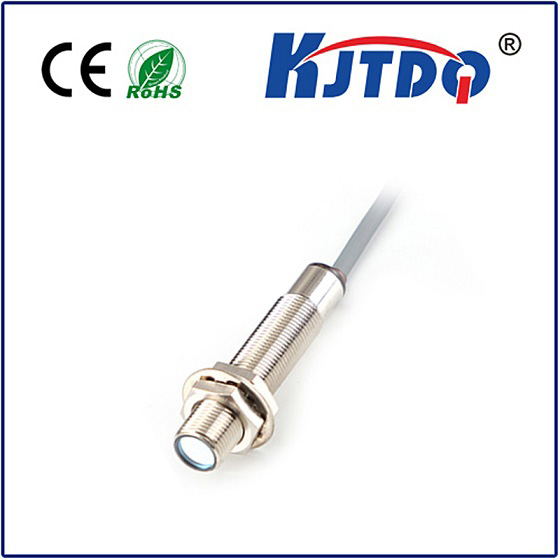
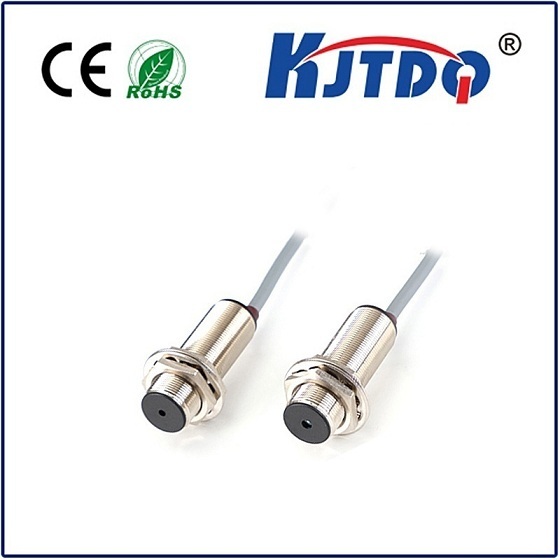
In the world of industrial automation, precision, reliability, and durability are non-negotiable. The QS18VP6AF350 photoelectric switch stands as a testament to these core principles, offering a robust sensing solution for a myriad of demanding applications. This diffuse reflective sensor, with its potent 350mm sensing range, is engineered to deliver consistent performance where it matters most, from packaging lines and material handling systems to intricate assembly stations and safety monitoring setups.
At the heart of the QS18VP6AF350 is its advanced diffuse sensing technology. Unlike through-beam or retro-reflective sensors that require separate components, this model operates as a single, self-contained unit. It emits a beam of modulated infrared or visible red light and detects the light that scatters back from the target object. This design simplifies installation dramatically, reducing wiring complexity and setup time. The 350mm (approximately 13.8 inches) standard sensing distance provides ample flexibility for detecting objects of varying sizes without the need for precise alignment, making it ideal for environments where object positioning may vary.
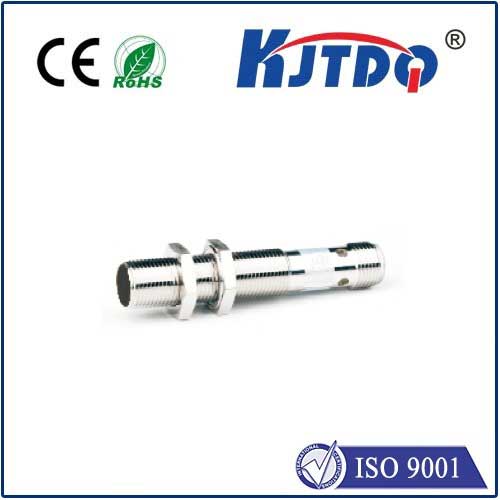
Durability is a cornerstone of its design. Housed in a rugged, threaded barrel typically constructed from nickel-plated brass or stainless steel, the QS18VP6AF350 is built to withstand harsh industrial conditions. It boasts a high IP67 or IP69K ingress protection rating, making it resistant to dust, water jets, and high-pressure washdowns commonly found in food and beverage or pharmaceutical manufacturing. This resilience ensures minimal downtime and long-term operational stability, even in environments with significant vibration, moisture, or temperature fluctuations.
The electrical configuration of the QS18VP6AF350 is designed for seamless integration. It commonly features a 3-wire DC configuration (brown for +V, blue for 0V, and black for the output) with both NPN (sinking) and PNP (sourcing) output options available to match different PLC (Programmable Logic Controller) and control system requirements. The solid-state switching ensures fast response times and a long operational life free from the wear and tear associated with mechanical contacts. Many variants also include a visible LED status indicator, providing immediate visual confirmation of power and output state for easier troubleshooting and maintenance.
Practical applications for this sensor are extensive. On a conveyor belt, it can reliably detect the presence of boxes, bottles, or components, triggering counters, diverters, or robotic pick-and-place operations. In automated storage and retrieval systems, it ensures precise positioning of pallets or totes. Its robust housing also makes it suitable for outdoor or washdown areas, such as detecting vehicles at gate entries or monitoring fill levels in tanks within processing plants. The key to maximizing its effectiveness lies in understanding the object's properties—color, texture, and material—as highly reflective or dark surfaces can affect the effective sensing range, a consideration addressed through built-in sensitivity adjustment potentiometers on many models.
Selecting and implementing the QS18VP6AF350 requires attention to a few critical parameters. Engineers must verify the required sensing distance, ensuring it accounts for the target object's size and color. The operating voltage range (commonly 10-30V DC) must be compatible with the plant's power supply. The output type (NPN or PNP) must correspond with the input card of the controlling device. Proper mounting, using the integrated threads and appropriate locknuts, is crucial for stability. Regular maintenance, primarily involving lens cleaning to prevent false triggers from dust or grime buildup, will preserve optimal performance over years of service.
In conclusion, the QS18VP6AF350 photoelectric switch represents a fusion of sophisticated optical engineering and rugged industrial design. It provides a dependable, low-maintenance sensing solution that forms the invisible backbone of modern automated systems. By converting the simple presence or absence of an object into a precise electrical signal, it enables the seamless flow of automated processes, enhancing efficiency, safety, and productivity across countless industries. For system integrators and plant engineers seeking a proven and versatile sensor, the QS18VP6AF350 offers a compelling balance of performance, resilience, and value.