check

check

check
check
check
check
check
check

check

check
In the intricate world of industrial automation, the reliability of a single component can dictate the efficiency of an entire production line. Among the myriad of sensors available, the BB10-T/33/76b/115-10m photoelectric switch stands out as a paragon of precision and durability. This comprehensive guide delves into the technical specifications, operational principles, and diverse applications of this advanced sensing solution, providing engineers and system integrators with the knowledge needed to optimize their automated processes.
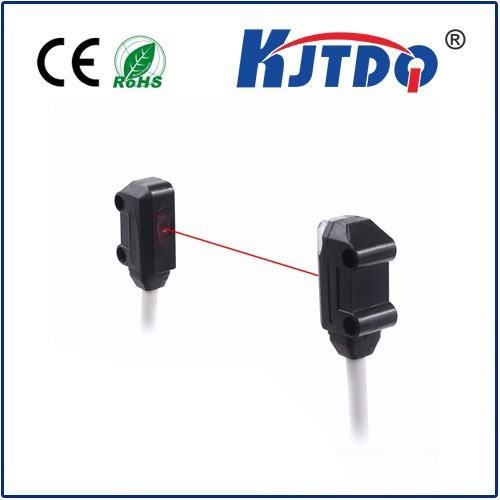
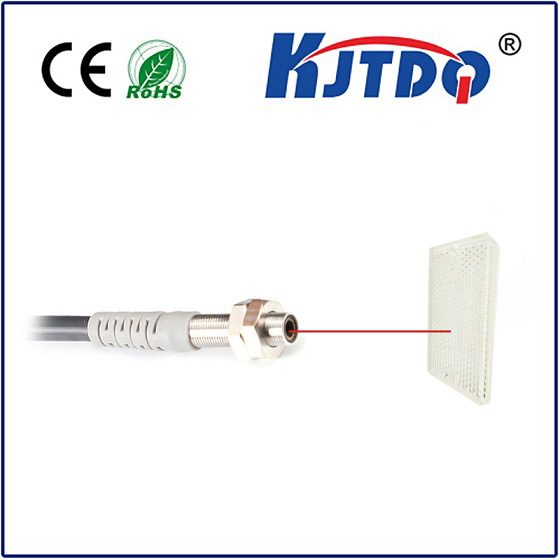
At its core, the BB10-T/33/76b/115-10m is a through-beam photoelectric sensor. This model operates on a fundamental principle: a transmitter and a receiver are housed in separate units. The transmitter emits a focused beam of light, typically infrared or laser, which is then detected by the opposing receiver. An object is sensed when it physically interrupts this light beam. This through-beam method is renowned for offering the longest sensing ranges and highest levels of accuracy and reliability among photoelectric sensing types, as it is less susceptible to environmental interferences like dust, color, or surface reflectivity of the target object.
Decoding the model number "BB10-T/33/76b/115-10m" reveals its key specifications. The "BB10" series indicates a robust, industrial-grade housing. The "T" signifies the through-beam operating mode. The "33" often relates to the specific optical design or lens type. "76b" typically denotes the housing material and ingress protection rating, suggesting a sturdy, sealed construction capable of withstanding harsh industrial environments, possibly conforming to IP67 standards. "115" commonly refers to the operating voltage range, which is usually 10-30V DC, a standard for industrial control systems. Finally, "10m" explicitly states the maximum sensing range, which is an impressive 10 meters, allowing for detection across significant distances.
The construction of the BB10-T/33/76b/115-10m is engineered for resilience. The housing is designed to resist impacts, vibrations, and exposure to oils or coolants commonly found in manufacturing settings. The sealed design protects the internal electronics from dust and moisture ingress, ensuring consistent performance in washdown areas or outdoor applications. The sensor's components are selected for long-term stability, minimizing drift over time and reducing maintenance requirements.
Application scenarios for this photoelectric switch are vast and varied. In material handling and packaging, it is indispensable for precise object counting, high-speed detection on conveyor belts, and ensuring proper box positioning. Within the automotive industry, it plays a critical role in robotic assembly lines, part presence verification, and safety curtain monitoring. In warehouse automation, it facilitates pallet detection, height control, and guidance for automated guided vehicles (AGVs). Its long-range capability makes it ideal for large-scale applications like overhead crane positioning, roll diameter measurement in paper and textile mills, and vehicle detection in parking management systems.
Installation and alignment, while straightforward, require attention to detail for optimal performance. The transmitter and receiver must be securely mounted in perfect opposition. Many models feature alignment indicators, such as LED signals that change color or intensity when the beam is properly received. For the 10-meter range, ensuring a stable mounting platform free from vibration is crucial to prevent misalignment. The electrical connection is standardized, with cables or connectors for power supply, ground, and output signal, which is typically a solid-state NPN or PNP transistor switch.
Troubleshooting common issues often involves a systematic approach. If the sensor fails to detect, the first step is to verify the power supply and check the alignment using the built-in indicators. Cleaning the lenses of both the transmitter and receiver from accumulated dirt or debris is a simple yet effective remedy. Ensuring that the object is large enough to fully interrupt the beam and that no ambient light (like direct sunlight) is overpowering the receiver is also critical. Consulting the manufacturer's datasheet for specific diagnostic LED codes can provide quick solutions.
When selecting a photoelectric sensor, the BB10-T/33/76b/115-10m presents a compelling case for applications demanding long-range, unwavering reliability. Its through-beam design offers superior performance in challenging conditions where diffuse or reflective sensors might falter. Comparing it to other types, the primary consideration is the need for two separate units for installation versus the convenience of a single-unit design. However, for maximum range and reliability, the through-beam configuration remains unmatched.
In conclusion, the BB10-T/33/76b/115-10m photoelectric switch is more than just a component; it is a foundational element for building resilient and efficient automated systems. Its robust design, precise through-beam sensing technology, and significant 10-meter range make it a trusted choice for engineers worldwide. By understanding its capabilities and proper integration methods, businesses can achieve higher levels of operational uptime, safety, and productivity, securing a tangible return on investment in their automation infrastructure.