check

check

check

check
check
check
check
check
check

check
In the world of industrial automation and process control, the reliability of a single component can dictate the efficiency of an entire system. Among the myriad of sensing devices available, the CPJ-TF photoelectric switch stands out as a cornerstone technology for countless applications. This guide delves into the core principles, diverse applications, and key advantages of the CPJ-TF series, providing a comprehensive understanding of why it is a preferred choice for engineers and system integrators globally.
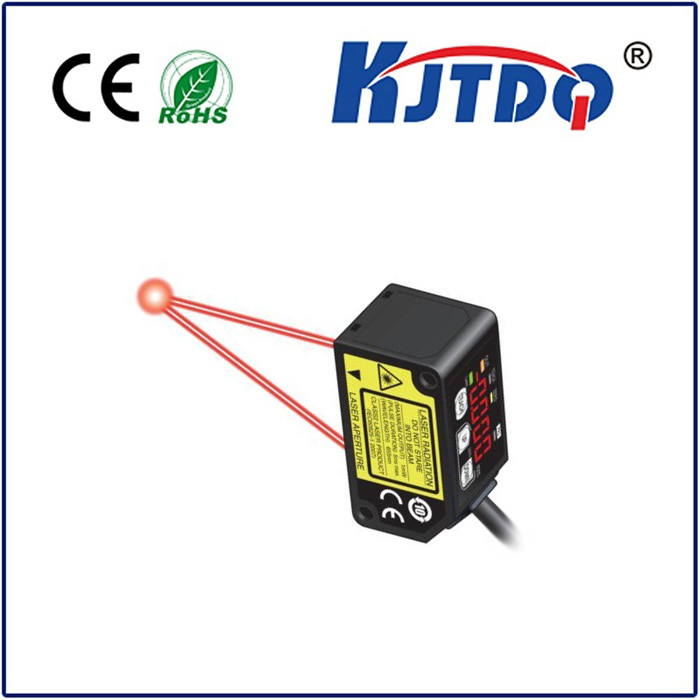
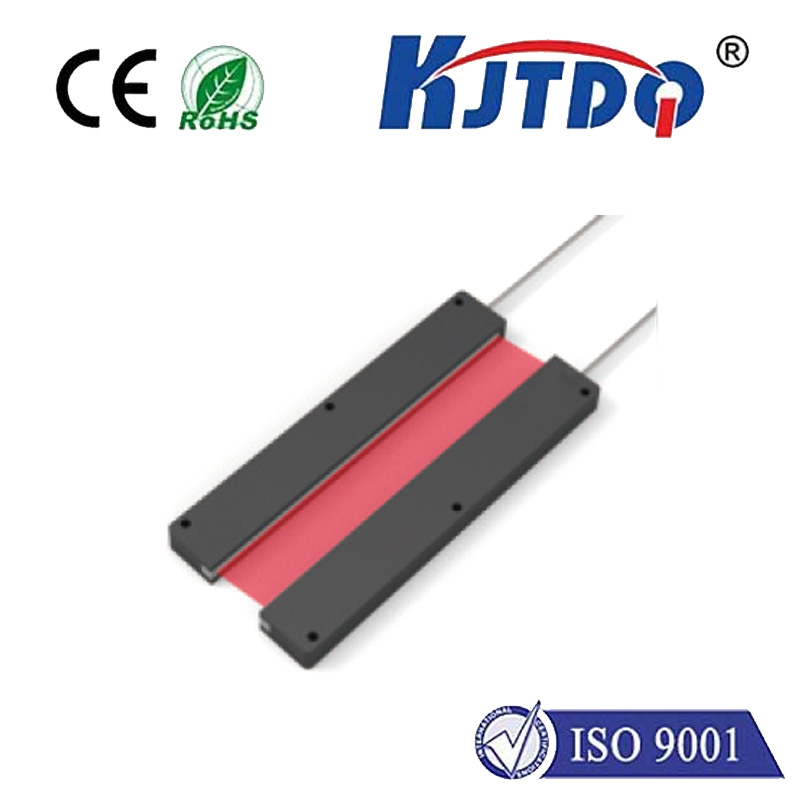
At its heart, the CPJ-TF is a through-beam photoelectric sensor. This design features two separate units: a transmitter and a receiver. The transmitter emits a constant beam of light, typically infrared or red visible light, which is then detected by the opposing receiver. The fundamental operating principle is straightforward yet powerful. An object is detected when it physically interrupts this light beam between the two units. This method offers significant benefits, most notably exceptional sensing ranges and high immunity to environmental interferences like dust, steam, or target object color and surface finish. Unlike diffuse or reflective sensors, the through-beam design is less likely to produce false triggers because it relies on a direct beam break rather than the reflection of light from the target.
The versatility of the CPJ-TF photoelectric switch is one of its greatest strengths. Its robust construction and reliable operation make it indispensable across various sectors. In material handling and packaging lines, these switches are deployed for precise object counting, ensuring accurate inventory control and packaging quantities. They serve as critical safety components in automated machinery, functioning as non-contact safety curtains or presence detectors to prevent accidents by halting equipment when a beam is broken. Within the automotive manufacturing industry, CPJ-TF sensors verify the correct positioning of parts on assembly lines or control robotic welding arms. Furthermore, they are essential in warehouse management systems, facilitating pallet detection, door control, and height monitoring for automated storage and retrieval systems (AS/RS).
Choosing the CPJ-TF series brings several tangible advantages to an operation. First and foremost is its renowned reliability and stability. The through-beam principle minimizes errors, leading to consistent performance and reduced downtime. Many models in this series boast an extended sensing range, capable of detecting objects over several meters, which provides greater flexibility in system design and layout. Built to withstand harsh industrial environments, these switches often feature rugged housings with high Ingress Protection (IP) ratings, offering resistance against water, oil, and particulate matter. Additionally, their installation and alignment, while requiring careful setup of two units, are generally straightforward, and modern designs often include alignment indicators to simplify the process. Finally, their non-contact nature means there is no physical wear from touching the target, resulting in a long operational lifespan and minimal maintenance requirements.
When integrating a CPJ-TF photoelectric switch, several practical considerations ensure optimal performance. Proper alignment between the transmitter and receiver is paramount; even a slight misalignment can cause failure. Utilizing mounting brackets and taking advantage of built-in alignment aids can streamline this process. The selection of the light source is also crucial. Infrared light is invisible and ideal for discreet operation, while red visible light simplifies alignment and troubleshooting. Understanding the environmental conditions is key—ensuring the selected model's IP rating is suitable for the levels of dust, moisture, or washdown procedures it will encounter. For applications involving fast-moving objects, verifying the sensor's response time is necessary to guarantee it can keep pace with the production speed.
In conclusion, the CPJ-TF photoelectric switch represents a mature, reliable, and highly effective sensing solution for demanding industrial environments. Its through-beam operation delivers unmatched accuracy and range for detection tasks where consistency is non-negotiable. From safeguarding personnel to optimizing production flow, its applications are foundational to modern automation. For system designers and maintenance engineers seeking a proven and dependable sensor to enhance operational reliability and efficiency, the CPJ-TF series continues to be a benchmark in photoelectric sensing technology.