check

check

check

check
check
check
check
check
check

check
In the intricate world of industrial automation, the reliability of a single component can dictate the efficiency of an entire production line. Among these critical components, photoelectric switches stand as silent sentinels, ensuring seamless operation. The CPJ-DF150N2 photoelectric switch emerges as a standout solution, engineered to deliver unparalleled precision and durability in demanding environments. This guide delves into the core features, operational principles, and practical applications of this advanced sensor, providing a comprehensive overview for engineers and system integrators.
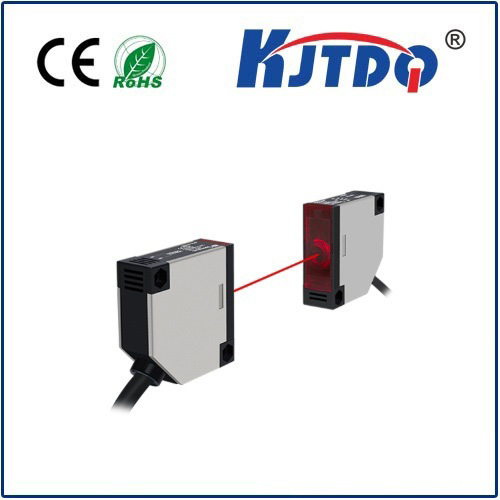
At its heart, the CPJ-DF150N2 is a diffuse-reflective photoelectric sensor. It operates on a straightforward yet highly effective principle: the built-in emitter projects a beam of modulated light (typically infrared or visible red) towards a target. When this light strikes an object within its detection range, it is diffusely reflected back to the sensor's receiver. The internal circuitry then processes this signal to determine the object's presence or absence. This non-contact method of detection is ideal for a vast array of materials, from opaque boxes and metal parts to translucent films and liquids, making it exceptionally versatile.
What truly sets the CPJ-DF150N2 apart are its meticulously designed specifications. It boasts a sensing distance of up to 150mm, a critical parameter that provides ample flexibility for positioning in various machine layouts. The device features a compact, rugged housing, often rated at IP67, which guarantees protection against dust ingress and temporary immersion in water. This robust construction ensures consistent performance in harsh settings like packaging plants, automotive assembly lines, and material handling systems, where exposure to vibration, moisture, and debris is common.
The switch incorporates a stable, background suppression function. This intelligent feature allows it to reliably detect objects while effectively ignoring the background beyond the set sensing range. This is crucial for applications where the target object passes in front of a distant or reflective background, preventing false triggers and maintaining system accuracy. Furthermore, the CPJ-DF150N2 typically offers both Light-On and Dark-On operating modes, selectable via a simple switch or wiring configuration. This adaptability lets users define the output logic based on their specific control system requirements, whether the output signal should be active when an object is detected or when the beam is uninterrupted.
Installation and integration are streamlined for user convenience. Many models come with clear status indicators—an LED for power and another for output signal—allowing for quick visual confirmation of operation and troubleshooting. The wiring is straightforward, usually involving a standard three-wire configuration (brown for positive, blue for negative, and black for output) compatible with common PLCs and control units. Its compact size facilitates mounting in tight spaces, and adjustable mounting brackets are often available for precise alignment.
The real-world applications for the CPJ-DF150N2 are extensive. In conveyor belt systems, it is indispensable for object counting, jam detection, and positioning control. Within automated packaging machinery, it ensures precise carton presence verification and fill-level monitoring. On assembly lines, it can detect the passage of components for process sequencing. Its reliability also makes it suitable for security systems, such as door monitoring, and in vending machines for product dispensing verification. The consistent performance of this sensor directly translates to reduced downtime, minimized product waste, and enhanced overall equipment effectiveness (OEE).
When selecting a photoelectric switch, comparing the CPJ-DF150N2 against alternatives like through-beam or retro-reflective sensors is essential. While through-beam models offer the longest range, they require separate emitter and receiver units, complicating installation. Retro-reflective sensors use a reflector but can be confused by shiny objects. The diffuse-reflective design of the CPJ-DF150N2 provides an optimal balance of reasonable range, simple single-unit installation, and reliable object discrimination, making it a preferred choice for countless mid-range detection tasks.
For optimal performance, regular maintenance is minimal but important. Keeping the lens clean from dust, oil, or condensation ensures maximum light transmission and reception. Periodically verifying the sensing distance and output stability under actual operating conditions helps preempt potential failures. Always consult the manufacturer's datasheet for specific electrical ratings, environmental limits, and wiring diagrams to ensure safe and correct integration into your control system.
In conclusion, the CPJ-DF150N2 photoelectric switch represents a fusion of robust engineering and practical intelligence. Its dependable diffuse-reflective sensing, coupled with environmental resilience and user-friendly design, makes it a cornerstone component for modern industrial automation. By providing accurate, non-contact detection, it empowers systems to operate with greater intelligence, safety, and efficiency, solidifying its role as a trusted asset in the engineer's toolkit.