check

check

check

check
check
check
check
check
check

check
In the intricate world of industrial automation, the reliability of individual components dictates the efficiency of the entire system. Among these critical components, photoelectric switches stand as silent sentinels, enabling non-contact detection essential for countless processes. The KJTDQ LA31/LK31/31/115 series represents a pinnacle of this technology, offering a robust and adaptable solution for diverse sensing challenges. This article delves into the core features and applications of these versatile sensors, highlighting why they are a preferred choice for engineers and system integrators globally.
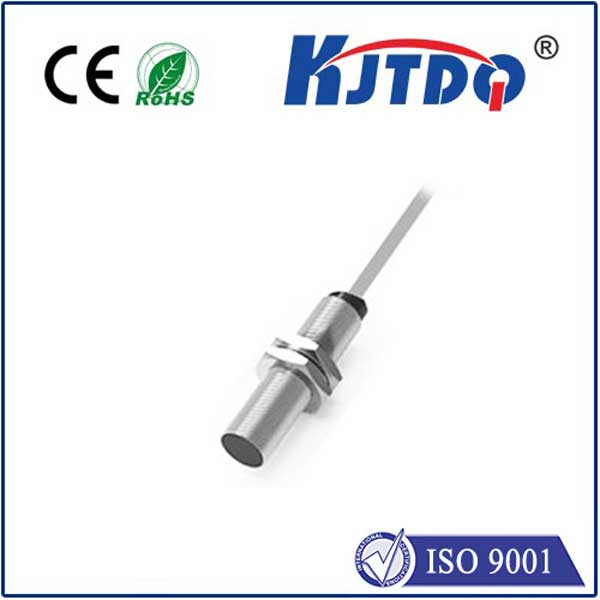
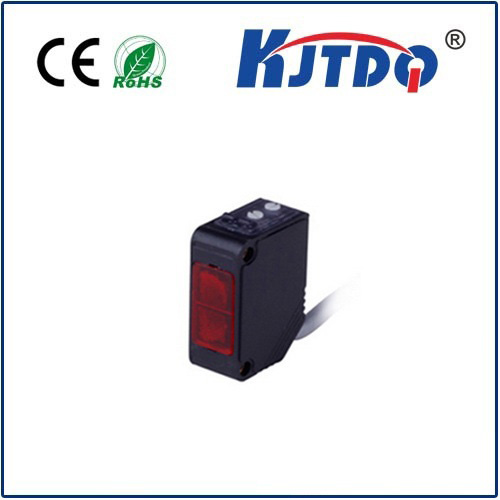
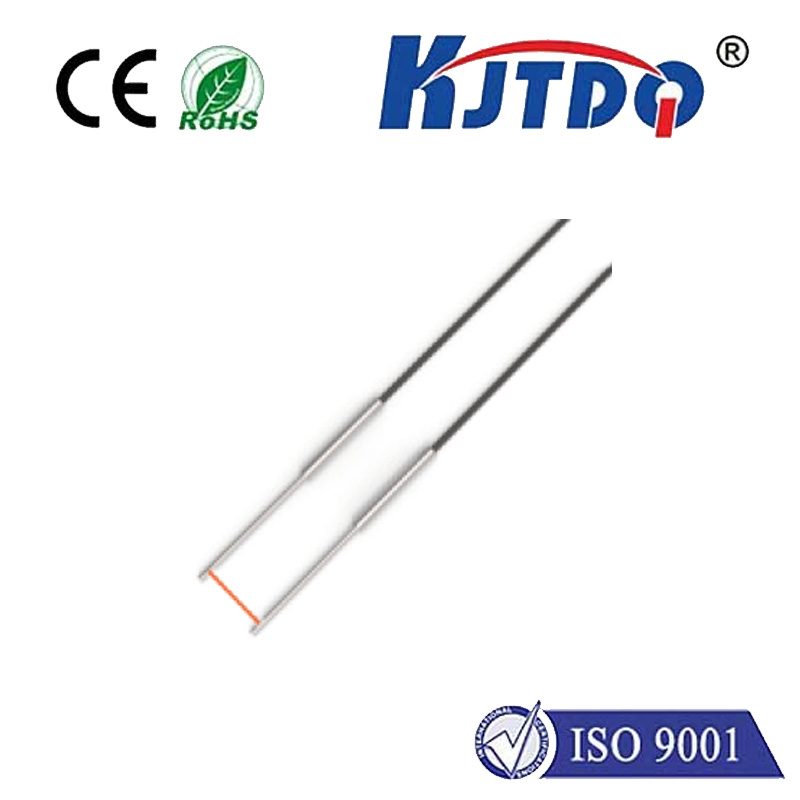
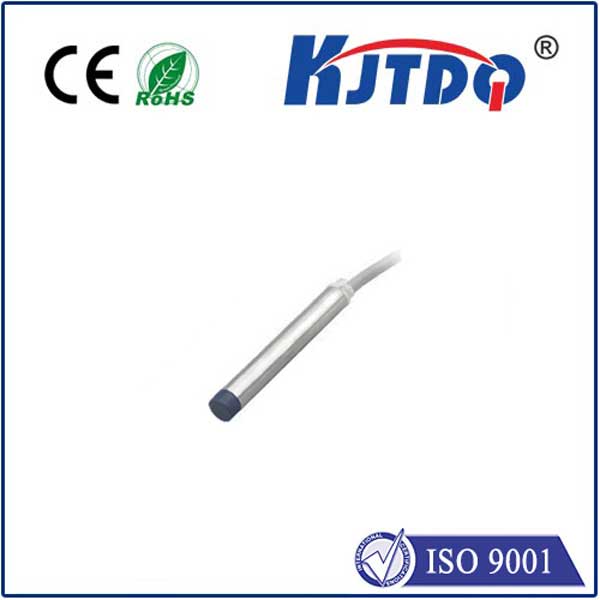
The KJTDQ LA31/LK31/31/115 photoelectric switches are engineered for precision and durability. Operating on the fundamental principle of light beam interruption or reflection, these sensors provide accurate detection of objects regardless of material surface—be it metal, plastic, wood, or glass. The "31" and "115" designations often refer to specific housing styles, sensing ranges, or output configurations, catering to different installation environments and operational requirements. Common models include compact cylindrical designs (like the LA31) for space-constrained areas and larger, more rugged housings (like the LK31) for harsh industrial settings. They are typically available in three primary sensing modes: through-beam, retro-reflective, and diffuse reflective, each serving unique application needs from long-range detection to proximity sensing.
What sets the KJTDQ series apart is its exceptional build quality and environmental resilience. Housed in materials resistant to dust, moisture, and mechanical impact, these switches boast high IP ratings, ensuring consistent performance in demanding conditions such as manufacturing floors, packaging lines, and logistics hubs. The internal circuitry is designed for stability, with advanced features like background suppression in diffuse models to ignore irrelevant objects or surfaces, and short-circuit protection for enhanced safety. Installation and alignment are straightforward, often facilitated by clear visual indicators—a stable light typically signifies power, while a blinking or color-changing LED confirms object detection or alignment status, drastically reducing setup time and maintenance efforts.
The application spectrum for the KJTDQ LA31/LK31/31/115 is remarkably broad. In automated assembly lines, they precisely count components, verify part presence, or control robotic arms. Within packaging machinery, they ensure correct box positioning, label placement, and fill-level monitoring. In material handling, these sensors manage conveyor belt operations, detect jams, and facilitate sorting systems. Their reliability extends to security systems for door control and intrusion detection, as well as to the automotive industry for part verification and robotic guidance. This versatility stems from their configurable outputs (like NPN/PNP transistors or relay contacts) and compatibility with various control systems, including PLCs.
Selecting the right photoelectric switch requires careful consideration of several factors. The operating distance is paramount; through-beam models offer the longest range, ideal for large-scale setups, while diffuse sensors are perfect for shorter ranges where mounting opposite sides is impractical. The object characteristics—size, color, material, and surface texture—also influence the choice, as reflective surfaces or dark materials may require sensors with specific beam properties. Environmental conditions like ambient light, temperature extremes, and exposure to chemicals dictate the necessary housing and lens specifications. The KJTDQ series addresses these variables with a comprehensive product matrix, allowing users to specify the exact model suited to their operational parameters.
Maintenance of these photoelectric switches is minimal but crucial for sustained accuracy. Regular cleaning of the lens with a soft cloth prevents false triggers caused by dust or oil accumulation. Periodic checks of the mounting stability and alignment ensure the sensing beam remains on target. Verifying the power supply voltage and load connections safeguards against electrical issues. Most models in this series are designed for long-term operation with mean time between failures (MTBF) ratings that underscore their reliability, making them a cost-effective investment by reducing downtime and replacement frequency.
In conclusion, the KJTDQ LA31/LK31/31/115 photoelectric switches embody a synthesis of precision engineering and practical design. They provide a dependable, non-contact sensing solution that enhances automation safety, efficiency, and intelligence. For industries striving to optimize their processes, integrating these robust sensors can lead to significant improvements in productivity and operational consistency. As automation continues to evolve, the role of such fundamental, high-performance components remains irreplaceably central.