check

check

check

check
check
check
check
check

check
check
In the intricate world of industrial automation, precision and reliability are not just desirable—they are absolute necessities. At the heart of countless production lines, packaging systems, and material handling operations lies a critical component: the photoelectric switch. Among these, the CPY-DR1MP3 photoelectric switch stands out as a robust and versatile solution for object detection and positioning. This guide delves into the technology, applications, and key benefits of this essential sensor, explaining why it is a preferred choice for engineers and system integrators globally.
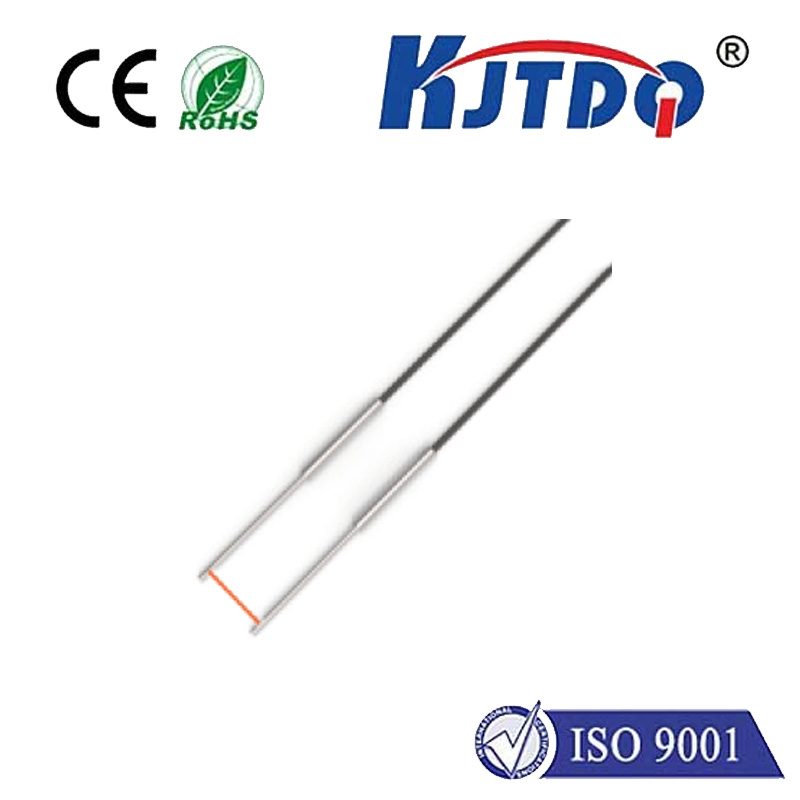
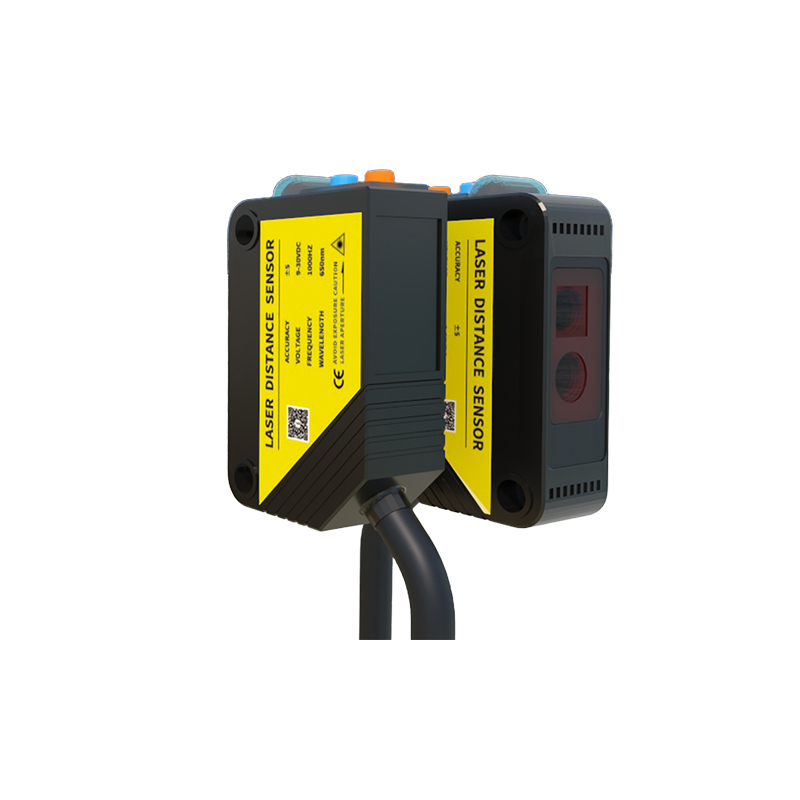
Photoelectric switches operate on a simple yet powerful principle: they use light to detect the presence, absence, or distance of an object. The CPY-DR1MP3 is typically a through-beam sensor, consisting of two separate units—a transmitter and a receiver. The transmitter emits a focused beam of light, often infrared or laser, which is then captured by the receiver. When an object interrupts this beam, the sensor's output state changes, sending a signal to a control system like a PLC (Programmable Logic Controller). This fundamental action forms the basis for automation, enabling tasks such as counting, sorting, and triggering subsequent processes without physical contact.
The designation "CPY-DR1MP3" reveals specific characteristics of this device. Models like this are engineered for durability and performance in challenging industrial settings. They often feature a compact, rugged housing designed to withstand dust, moisture, and mechanical vibrations. A key specification is its sensing range; the "MP" designation frequently indicates a medium or long-range capability, allowing for reliable detection over distances that might be impractical for other sensor types. This makes it ideal for applications where the sensor needs to be mounted away from the target area for safety or space reasons.
One of the primary advantages of the CPY-DR1MP3 photoelectric switch is its exceptional reliability. Unlike mechanical limit switches that suffer from wear and tear due to physical contact, photoelectric sensors have no moving parts in the sensing element. This translates to a significantly longer operational lifespan and reduced maintenance costs. Furthermore, their non-contact nature means they can detect virtually any material—metal, plastic, wood, glass, or liquid—as long as it interrupts the light beam. This universality provides immense flexibility in diverse production environments.
The applications for the CPY-DR1MP3 are vast and varied. In packaging machinery, it ensures products are correctly positioned for wrapping or boxing. On conveyor belts, it counts items, detects jams, and verifies that objects have passed a specific point. In automated storage and retrieval systems, it provides precise positioning for robotic arms or lifts. It is also crucial in safety systems, acting as a guard to halt machinery if a person or object breaches a protected zone. Its robust design allows it to perform consistently in industries ranging from food and beverage to automotive manufacturing and logistics.
When integrating a CPY-DR1MP3 into a system, several factors ensure optimal performance. Correct alignment between the transmitter and receiver is paramount; even a slight misalignment can cause false signals or failure to detect. The environment must also be considered. While the sensor is built to be resilient, extremely heavy dust, steam, or intense ambient light could interfere with the beam. Many models, however, come with features like adjustable sensitivity or modulated light signals to combat such interference. Proper mounting, using the correct voltage supply, and connecting to an appropriate load are all critical steps for a successful installation.
Choosing the right sensor is a strategic decision. The CPY-DR1MP3 photoelectric switch represents a category of sensors prized for their balance of range, durability, and cost-effectiveness. For engineers, it offers a dependable, low-maintenance component that reduces system downtime. For plant managers, it contributes to smoother operations, higher throughput, and improved safety. Its role is silent but indispensable, a small yet powerful enabler of the automated processes that drive modern industry forward. As automation continues to evolve, the demand for precise, reliable, and versatile detection solutions like the CPY-DR1MP3 will only continue to grow.