check

check

check

check
check
check
check
check

check
check
In the world of industrial automation and machinery, precision and reliability are not just preferences; they are absolute necessities. Among the myriad of components that ensure seamless operation, the photoelectric switch stands as a critical sentinel. The E3F-DS30C4 photoelectric switch, in particular, has carved out a significant reputation for itself. This comprehensive guide delves into the features, applications, and advantages of this specific model, explaining why it is a preferred choice for engineers and system integrators globally.
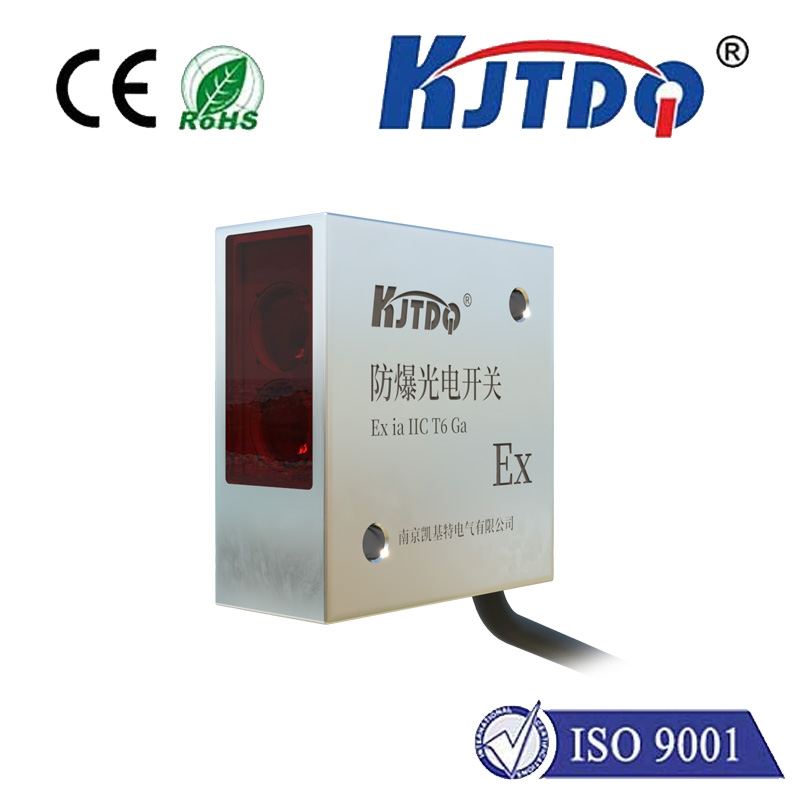
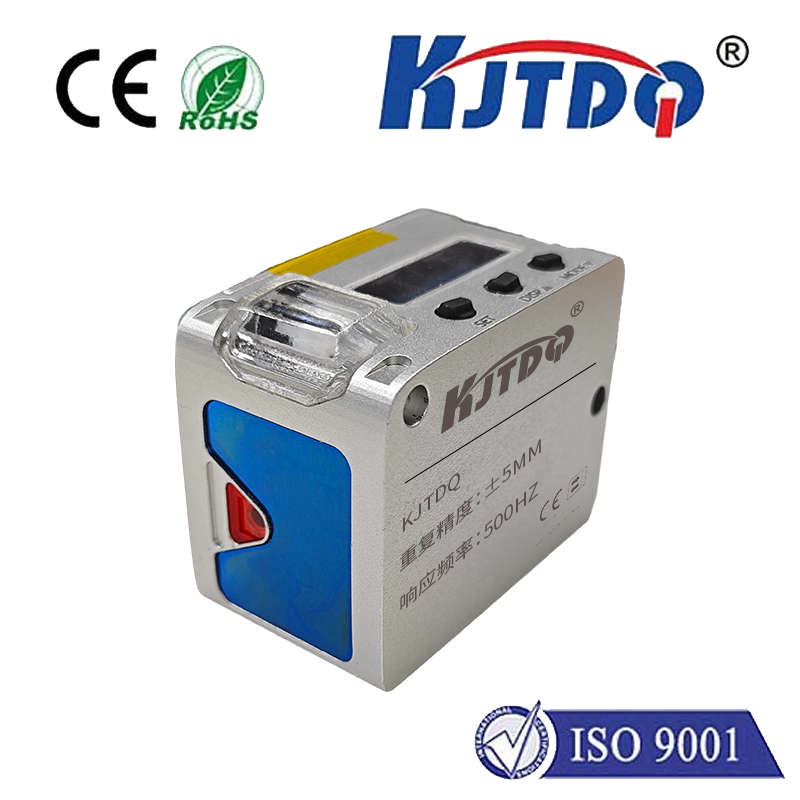
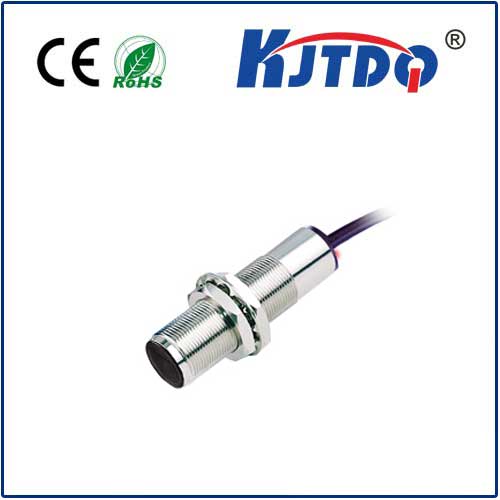
At its core, the E3F-DS30C4 is a diffuse reflective photoelectric sensor. This means it houses both the light emitter and the receiver in a single unit. It operates by emitting a beam of light—typically infrared or visible red—and detecting the light that is reflected back from a target object. The "C4" in its model name often denotes specific characteristics like sensing distance, output configuration, or connection type, which are crucial for selection. A key specification of this model is its reliable sensing range, often up to 300mm, making it versatile for various detection tasks without physical contact. This non-contact nature is a primary advantage, eliminating mechanical wear and tear and allowing for the detection of fragile, small, or fast-moving objects.
The construction of the E3F-DS30C4 is designed for industrial rigor. It typically features a robust housing, often made from materials like nickel-plated brass or high-grade plastics, providing excellent resistance to environmental factors such as dust, moisture, and oil splashes. Many variants come with an IP67 protection rating, meaning they are dust-tight and can withstand temporary immersion in water. This durability ensures consistent performance in challenging environments, from packaging lines and material handling systems to automotive assembly plants.
One of the standout features of this photoelectric switch is its ease of use and installation. It commonly incorporates a stable, background suppression function or fixed sensitivity, which helps in ignoring irrelevant background objects and focusing only on the intended target. This reduces false triggers and increases system reliability. The output is usually in the form of a transistor (NPN or PNP), providing a clear digital signal to Programmable Logic Controllers (PLCs) or other control systems. The wiring is straightforward, often facilitated by a pre-wired cable or a quick-disconnect connector, saving valuable installation and maintenance time.
The applications for the E3F-DS30C4 are vast and varied. In conveyor systems, it is indispensable for detecting the presence, absence, or position of products, enabling precise counting, sorting, and routing. In automated assembly, it ensures components are correctly positioned before a robotic arm performs an operation. It can be found detecting fill levels in bottles or containers, monitoring stack heights in palletizing systems, and serving as a safety interlock to ensure machine guards are in place. Its versatility makes it a fundamental building block in creating smarter, more efficient production lines.
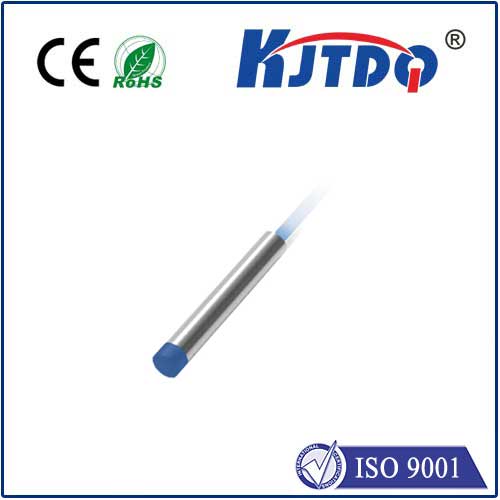
When compared to other sensing technologies like inductive proximity sensors (which only detect metals) or mechanical limit switches (which require physical contact), the E3F-DS30C4 offers clear benefits. Its ability to detect a wide range of materials—plastic, wood, glass, and liquid—regardless of color (though darker colors may reduce the effective sensing distance) provides unparalleled flexibility. Furthermore, its fast response time allows it to keep pace with high-speed automation, a critical requirement in modern manufacturing.
For those integrating the E3F-DS30C4, proper setup is key to optimal performance. It is crucial to consider factors such as the target object's size, color, surface texture, and the environmental conditions. Ensuring a stable power supply within the specified voltage range (commonly 10-30V DC) is essential. Regular maintenance, though minimal, involves keeping the lens clean from dust or debris that could attenuate the light beam. Adhering to the manufacturer's guidelines for mounting distance and alignment will guarantee long-term, trouble-free operation.
In conclusion, the E3F-DS30C4 photoelectric switch represents a blend of robust engineering, practical functionality, and proven reliability. Its design addresses the core needs of industrial sensing: accuracy, durability, and ease of integration. For professionals seeking a dependable solution for object detection that minimizes downtime and maximizes operational efficiency, this sensor model stands as a compelling and trusted option. As automation continues to evolve, components like the E3F-DS30C4 will remain at the heart of innovative and productive industrial systems.