check

check

check

check
check
check
check
check

check

check
In the world of industrial automation and control systems, precision and reliability are non-negotiable. Among the myriad of components that ensure seamless operations, the photoelectric switch stands out as a critical sensor. The LX-101 photoelectric switch represents a pinnacle of design in this category, offering engineers and system integrators a robust solution for a wide array of detection and positioning tasks. This guide delves into the core features, operational principles, and practical applications of the LX-101, providing a comprehensive overview for professionals seeking to enhance their system's efficiency.
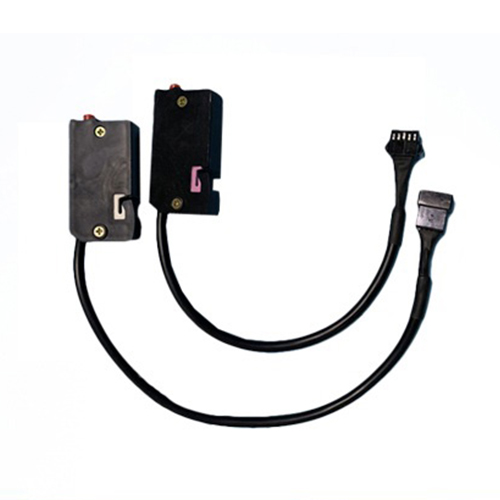
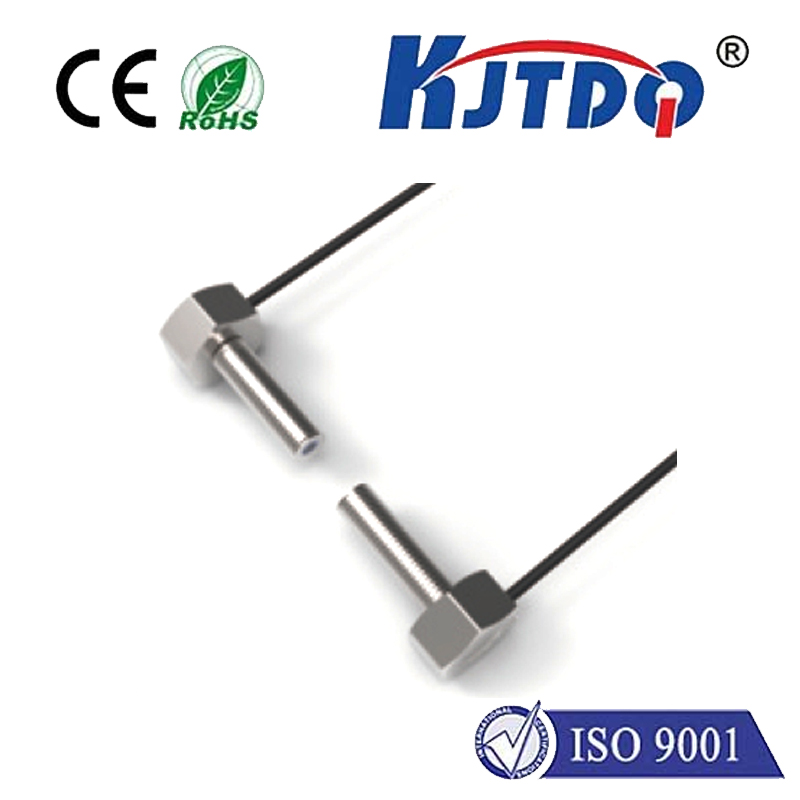
At its heart, the LX-101 is a through-beam photoelectric sensor. This design involves two separate units: a transmitter and a receiver. The transmitter emits a focused beam of light, typically infrared or laser, which is then captured by the receiver unit positioned opposite. An object is detected when it physically interrupts this light beam. This fundamental principle grants the LX-101 several key advantages. Its sensing range is significantly longer than other types, such as diffuse-reflective sensors, often reaching several meters with high accuracy. Furthermore, it is largely immune to the color, texture, or reflectivity of the target object. Whether detecting a clear glass bottle, a matte black carton, or a shiny metal part, the LX-101 performs with consistent reliability, making it exceptionally versatile in complex production environments.
The construction of the LX-101 is engineered for durability. Housed in a rugged, often metal or high-grade industrial plastic casing, it is built to withstand the harsh conditions typical of manufacturing floors, including exposure to dust, moisture, and mechanical vibrations. Many models come with an IP67 or higher ingress protection rating, meaning they are dust-tight and can withstand temporary immersion in water. This resilience translates to reduced downtime and lower maintenance costs, as the sensor continues to operate reliably in challenging settings. The electrical outputs are typically solid-state (PNP or NPN) or relay-based, ensuring easy integration with Programmable Logic Controllers (PLCs), relays, and other standard industrial control components.
Application scenarios for the LX-101 photoelectric switch are vast and varied. In packaging lines, it is indispensable for precise object counting, ensuring the correct number of items are placed in each box. It acts as a critical safety interlock in automated machinery, detecting the presence of a guard door or the correct positioning of a workpiece before a machining cycle begins. Within material handling and logistics, these sensors monitor the passage of items on conveyor belts, triggering sorting mechanisms or providing data for inventory management. They are also fundamental in level control systems for bulk materials, detecting when a silo is full or empty. The long-range capability of the through-beam design makes it ideal for large-scale applications, such as monitoring vehicle entry in parking garages or detecting oversized objects on production lines.
Selecting and installing the LX-101 requires careful consideration. The primary factor is the required sensing distance; the model must be chosen to cover the gap between the transmitter and receiver with a margin for alignment. Proper alignment is crucial for optimal performance. Mounting brackets should be secure to prevent misalignment from vibrations. Environmental factors like ambient light, which could potentially interfere with the sensor's beam, must be assessed. Many modern LX-101 switches feature modulated infrared light, which makes them highly resistant to such interference from factory lighting or sunlight. Regular maintenance, though minimal, involves keeping the lenses clean from dust or grime to ensure an unobstructed light path.
In conclusion, the LX-101 photoelectric switch is more than just a component; it is a foundational element for building reliable, efficient, and safe automated systems. Its through-beam design offers unmatched range and object-agnostic detection, while its rugged build ensures longevity. From intricate assembly tasks to heavy-duty material handling, the LX-101 provides the consistent, accurate sensing that modern industry demands. For system designers and maintenance engineers, understanding and leveraging the capabilities of this sensor is a key step toward optimizing operational performance and achieving greater automation success.