check

check

check

check
check
check
check
check

check

check
In industrial automation and control systems, photoelectric switches play a pivotal role in non-contact detection, offering reliability where physical contact is impractical or undesirable. Among the diverse models available, the GD18, GV18, 25, 103, and 159 series stand out for their specific applications and robust performance. This guide delves into the technical specifications, operational principles, and ideal use cases for these photoelectric sensors, providing a comprehensive overview for engineers and procurement specialists.
Photoelectric switches function by emitting a light beam—typically infrared, visible red, or laser—from a transmitter. A receiver then detects this beam. An object's presence is identified when it interrupts or reflects this light path, triggering an output signal. This fundamental principle allows for precise detection of objects regardless of their material (metal, plastic, wood, etc.), provided the surface interacts with the light source. The key advantages over mechanical limit switches include faster response times, longer operational life due to no physical wear, and the ability to detect transparent or fragile objects.
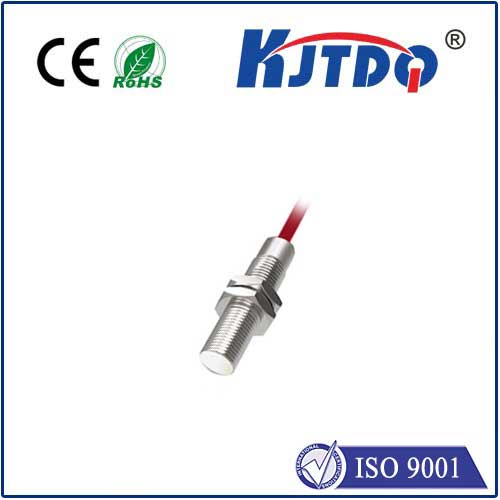
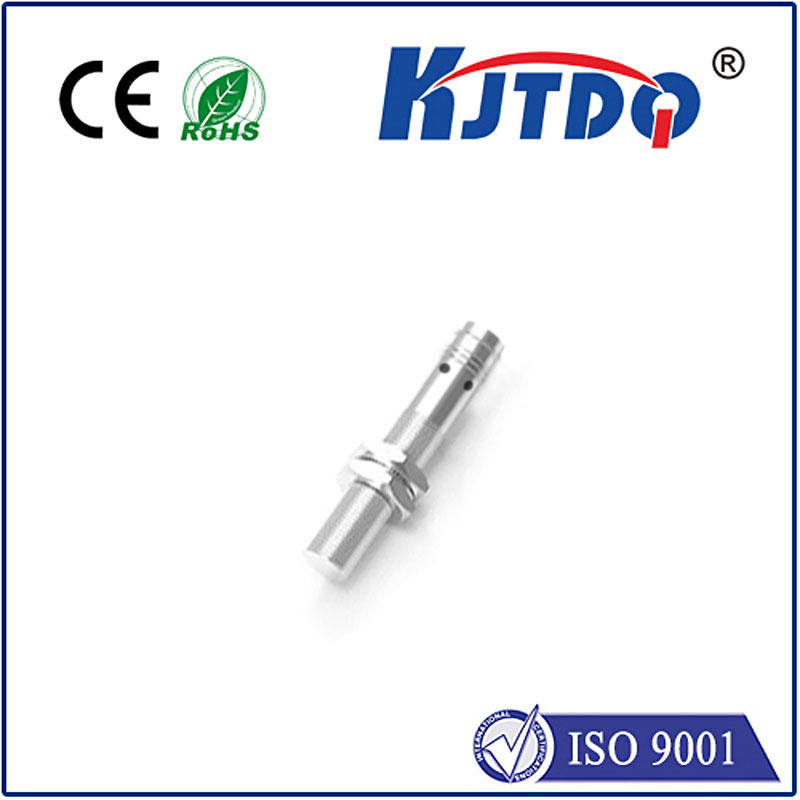
The GD18 and GV18 models are often compact, cylindrical sensors designed for space-constrained installations. The "GD" prefix typically denotes a diffuse-reflective sensor. This type uses a single housing containing both emitter and receiver. It detects an object when the emitted light is reflected directly back from the target's surface. Its sensing range is generally shorter and can be influenced by the object's color and reflectivity. For instance, a white object reflects more light and can be detected at a greater distance than a black one. These models are excellent for detecting the presence of packages on a conveyor belt, monitoring material levels in bins, or verifying part placement in assembly jigs.
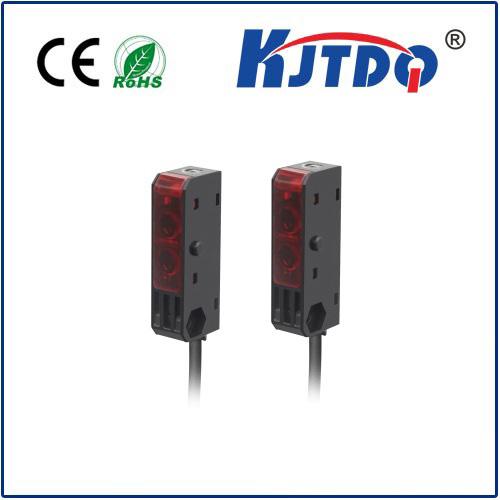
Conversely, the "GV" prefix usually indicates a through-beam (or opposed) sensor. This system consists of two separate units: a transmitter and a receiver placed opposite each other. An object is detected when it breaks the light beam between them. This method offers the longest and most stable sensing distance, is largely unaffected by the object's surface properties, and provides high accuracy. GV18 sensors are ideal for applications requiring reliable detection over longer ranges, such as in material handling for break detection, door safety interlocks, or counting objects on high-speed lines.
Models designated as "25," "103," and "159" often refer to specific housing styles, form factors, or performance characteristics within a manufacturer's catalog. For example, a "25" series might indicate a small rectangular housing, while "103" could signify a certain sensing range or output configuration (e.g., NPN or PNP transistor outputs). The "159" model might be a specialized variant with enhanced environmental resistance (IP67 rating) for washdown areas or outdoor use. It is crucial to consult the specific manufacturer's datasheet for exact details on voltage requirements (commonly 10-30V DC), output type (NO/NC), connection method (cable or connector), and environmental ratings.
Selecting the correct photoelectric switch hinges on the application's specific demands. Key factors to consider include: Sensing Distance: The required gap between the sensor and the target. Through-beam models offer the longest range. Object Properties: Size, color, material, and surface finish (glossy vs. matte). For challenging surfaces, a polarized diffuse sensor can help mitigate false triggers from shiny objects. Environmental Conditions: Exposure to dust, moisture, vibration, or temperature extremes necessitates sensors with appropriate Ingress Protection (IP) ratings. Electrical Requirements: Compatibility with the control system's voltage and the choice between sinking (NPN) or sourcing (PNP) outputs. Response Time: The speed at which the sensor can detect an object and change its output state, critical for high-speed production lines.
Installation and alignment are critical for optimal performance, especially for through-beam types. Proper mounting brackets should be used to minimize vibration and misalignment. Regular maintenance involves keeping the lens clean from dust, oil, or debris that could scatter or block the light beam, leading to detection failures. Many modern models feature built-in LED indicators for power, output status, and signal strength, greatly aiding in setup and troubleshooting.
In summary, the GD18, GV18, 25, 103, and 159 photoelectric switches represent versatile solutions for automated sensing tasks. Understanding the distinction between diffuse-reflective and through-beam sensing modes is fundamental. By carefully matching the sensor's specifications—such as its range, housing, output, and environmental durability—to the application's needs, system integrators can ensure reliable, long-term operation, reducing downtime and maintenance costs in industrial settings. Always refer to the official technical documentation for precise model-specific information before integration.