check

check

check

check
check
check
check
check

check

check
In the realm of industrial automation and machinery control, the reliability and accuracy of sensing components are paramount. Among the myriad of options available, the LGGM20/40 photoelectric switch stands out as a robust and versatile solution for countless applications. This comprehensive guide delves into the core technology, operational principles, and practical advantages of this specific sensor model, providing essential insights for engineers, system integrators, and procurement specialists.
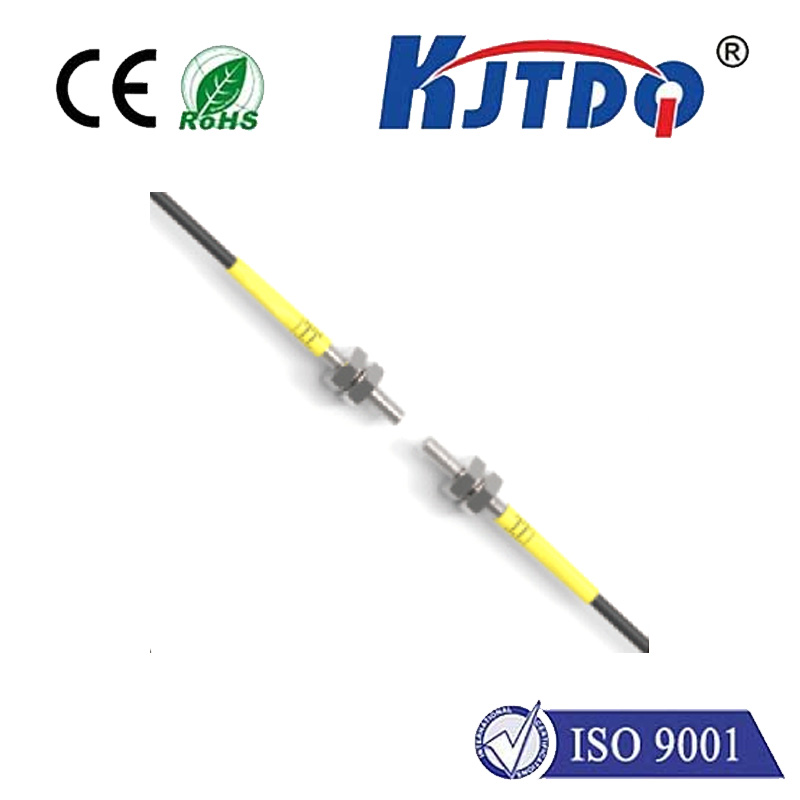
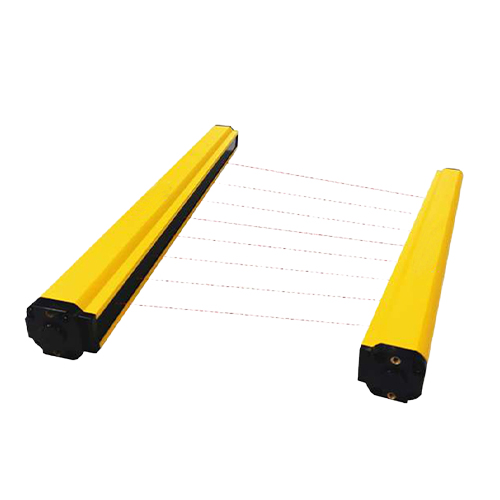
Photoelectric switches, at their fundamental level, operate by emitting a beam of light—typically infrared, red, or laser—and detecting its presence or absence. The LGGM20/40 series utilizes this principle with high precision. It functions in several primary modes: through-beam, retro-reflective, and diffuse reflective. In the through-beam mode, the emitter and receiver are separate units; an object is detected when it interrupts the light beam traveling between them. This mode offers the longest sensing range and highest reliability. The retro-reflective mode employs a single housing containing both emitter and receiver, which detects an object when it breaks the light beam reflected from a dedicated reflector. The diffuse reflective mode, also a single-unit design, detects an object based on the light reflected directly from the object itself, making it ideal for sensing at shorter distances without a separate reflector.
The designation "LGGM20/40" typically refers to key specifications. The '20' and '40' often denote the sensing distance in millimeters or centimeters, indicating this series offers models with different ranges to suit various spatial constraints and detection requirements. These switches are engineered for durability, commonly featuring rugged housings made from materials like nickel-plated brass or stainless steel, providing excellent resistance to environmental factors such as dust, moisture, and mechanical impact. Many models in this series come with IP67 or higher ingress protection ratings, ensuring reliable operation in harsh industrial settings, including washdown areas in food processing or automotive manufacturing plants.
A significant technical advantage of the LGGM20/40 photoelectric switch is its consistent and stable performance. Advanced models incorporate features like background suppression technology, which allows the sensor to ignore distant objects or reflective backgrounds, focusing detection only within a predefined, precise range. This is crucial for applications like detecting transparent films, colored objects, or items on a conveyor belt with varying heights. Furthermore, these switches often have a fast response time, measured in milliseconds, enabling them to keep pace with high-speed production lines without missing a single item.
The application spectrum for the LGGM20/40 is remarkably broad. In packaging machinery, it is used for precise carton counting, label detection, and fill-level control. Within the automotive sector, it ensures correct part positioning in assembly robots and verifies the presence of components. In material handling, these sensors control conveyor belt operations, manage palletizing sequences, and prevent jams by monitoring object flow. They are also indispensable in electronic manufacturing for PCB positioning and in the pharmaceutical industry for vial and bottle detection, where hygiene and accuracy are non-negotiable.
Installation and integration are designed for user convenience. Many LGGM20/40 switches feature built-in LED indicators for operational status (power, output signal) and alignment assistance, simplifying setup and troubleshooting. They typically offer multiple output options, such as NPN, PNP, or relay contacts, ensuring compatibility with a wide range of programmable logic controllers (PLCs) and control systems. The wiring process is generally straightforward, often utilizing standard M12 or M8 quick-disconnect connectors, which reduce installation time and facilitate maintenance.
When selecting a photoelectric switch like the LGGM20/40, several factors must be considered. The required sensing distance and mode are primary determinants. The physical properties of the target object—its size, color, material (opaque, transparent, glossy)—directly influence the choice of sensor type and its light source. Environmental conditions, including ambient light, temperature extremes, and exposure to chemicals, dictate the necessary housing material and protection rating. Finally, the electrical requirements of the control system must match the sensor's output characteristics.
In summary, the LGGM20/40 photoelectric switch represents a critical component in modern industrial automation. Its design emphasizes precision, durability, and adaptability, making it a trusted choice for ensuring efficiency, safety, and quality control across diverse industries. By understanding its operational modes, technical specifications, and application best practices, professionals can leverage this technology to optimize their automated processes, minimize downtime, and enhance overall system reliability. As automation continues to evolve, the role of such precise and dependable sensing technology only grows in importance.