check

check

check

check
check
check
check
check

check

check
In the world of industrial automation and precise control, the demand for reliable and accurate sensing solutions is paramount. Among the myriad of options available, the E3ZG-LS61-LO-T laser sensor stands out as a sophisticated tool designed for applications where precision is non-negotiable. This comprehensive guide delves into the features, benefits, and practical applications of this advanced sensor, providing valuable insights for engineers, system integrators, and maintenance professionals.
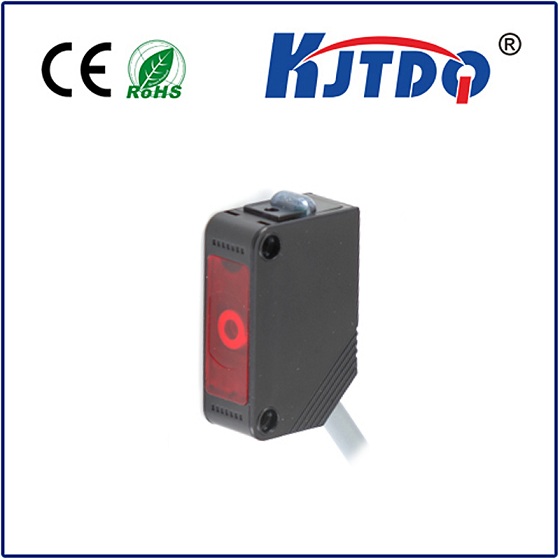
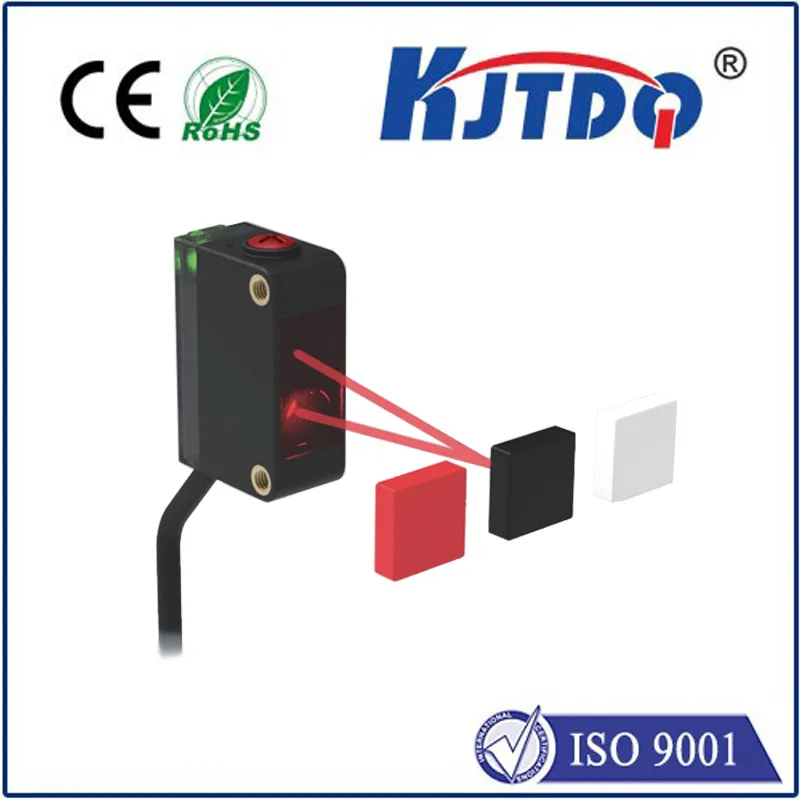
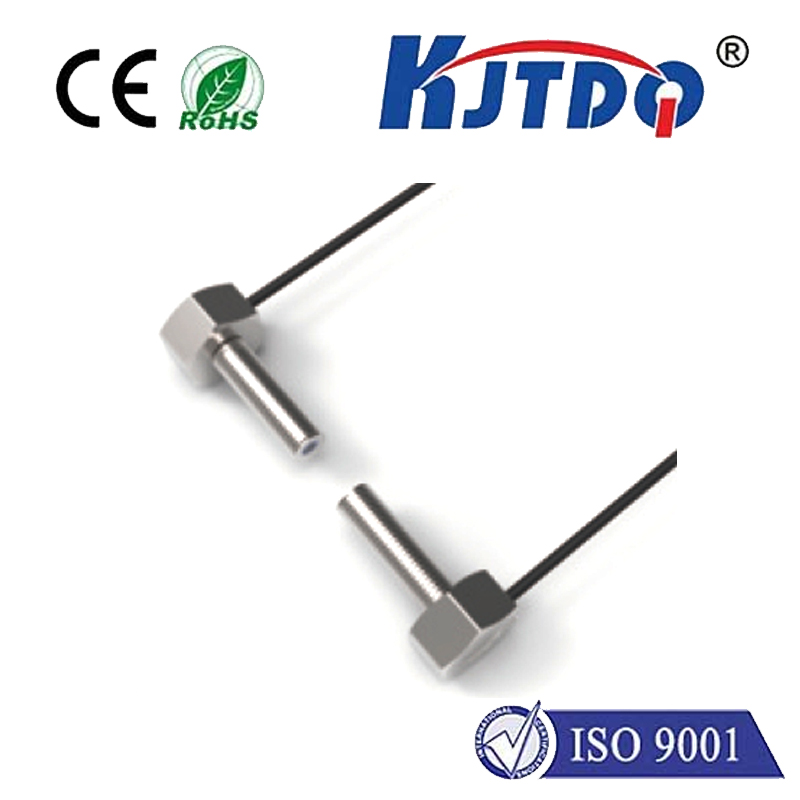
The E3ZG-LS61-LO-T is a through-beam laser sensor, a type known for its exceptional accuracy and long sensing distances. The "LO" in its model designation typically refers to a specific light source or output configuration, often indicating a focused, visible red laser beam. This visible beam simplifies alignment during installation, a significant advantage over invisible infrared sensors, reducing setup time and potential errors. The laser emitter and receiver are separate units, requiring precise alignment. When an object passes between them, interrupting the laser beam, the receiver detects the change and triggers an output signal. This fundamental principle allows for highly reliable detection, largely immune to environmental factors like target color, texture, or reflectivity that often plague diffuse-reflective sensors.
One of the core strengths of the E3ZG-LS61-LO-T lies in its impressive specifications. It offers a long sensing distance, which can extend up to several meters depending on the exact model variant, enabling detection of objects from afar. The laser spot is extremely small and focused, allowing for the detection of minute objects or precise positioning on an edge. This makes it ideal for applications such as detecting thin wires, small electronic components, or verifying the presence of tiny parts on a high-speed assembly line. Furthermore, its high response speed ensures it can keep pace with fast-moving machinery, providing real-time feedback for process control.
The construction of the E3ZG-LS61-LO-T is geared towards harsh industrial environments. It typically features a robust metal housing that provides resistance to vibration and physical impact. Many models come with an IP67 rating, meaning they are dust-tight and can withstand temporary immersion in water, making them suitable for washdown areas in food and beverage or pharmaceutical industries. The sensor is designed for stable operation across a wide temperature range, ensuring consistent performance whether installed in a cold storage facility or near a heat-generating machine.
Practical applications for the E3ZG-LS61-LO-T laser sensor are vast and varied across multiple sectors. In packaging and material handling, it is used for precise object counting, detecting missing labels on bottles, or ensuring correct box flap closure on a conveyor. Within the automotive industry, it plays a critical role in robot guidance, verifying part placement in welding stations, or inspecting assembly completeness. In electronics manufacturing, its ability to detect tiny components, such as chip capacitors or connector pins, is invaluable for quality assurance. It is also commonly used for web break detection in printing and paper processing, where a thin, focused beam can reliably sense the presence or absence of a moving material web.
When integrating the E3ZG-LS61-LO-T into a system, several best practices should be followed. Proper alignment between the emitter and receiver is crucial; mounting brackets designed for this sensor can greatly aid in achieving and maintaining precise alignment. It is important to consider the mounting environment to avoid excessive ambient light, which could potentially interfere with the receiver. Regular maintenance, primarily keeping the lenses clean from dust, oil, or debris, is essential for long-term reliable operation. Understanding the electrical output (typically NPN or PNP) and ensuring compatibility with the connected controller (PLC, relay, etc.) is a fundamental step in the setup process.
Compared to other sensing technologies like photoelectric diffuse-reflective sensors or ultrasonic sensors, the through-beam laser sensor offers distinct advantages. It provides the longest possible sensing distance for a photoelectric sensor and the highest level of accuracy due to its focused beam. While it requires two units to be installed and aligned, the payoff in terms of reliability and precision in challenging detection scenarios is often worth the extra effort. It is the go-to choice when standard sensors fail due to target characteristics or environmental conditions.
In conclusion, the E3ZG-LS61-LO-T laser sensor represents a high-performance solution for demanding detection tasks. Its combination of a visible laser for easy setup, a long sensing range, a minute spot size for precision, and rugged industrial construction makes it a versatile and reliable component in modern automation systems. By understanding its capabilities and applying it correctly, professionals can enhance system accuracy, improve product quality, and reduce downtime, ultimately contributing to more efficient and profitable operations. For any application where detection cannot afford to be a guess, this laser sensor provides the definitive answer.