check

check

check

check
check
check
check
check

check

check
In the rapidly evolving landscape of industrial automation and precision measurement, the demand for reliable, accurate, and robust sensing solutions has never been higher. Among the array of technologies available, laser sensors stand out for their unparalleled precision and versatility. The LR-ZB100P laser sensor represents a significant leap forward in this domain, offering a compelling blend of advanced features designed to meet the rigorous demands of modern manufacturing, quality control, and research applications.
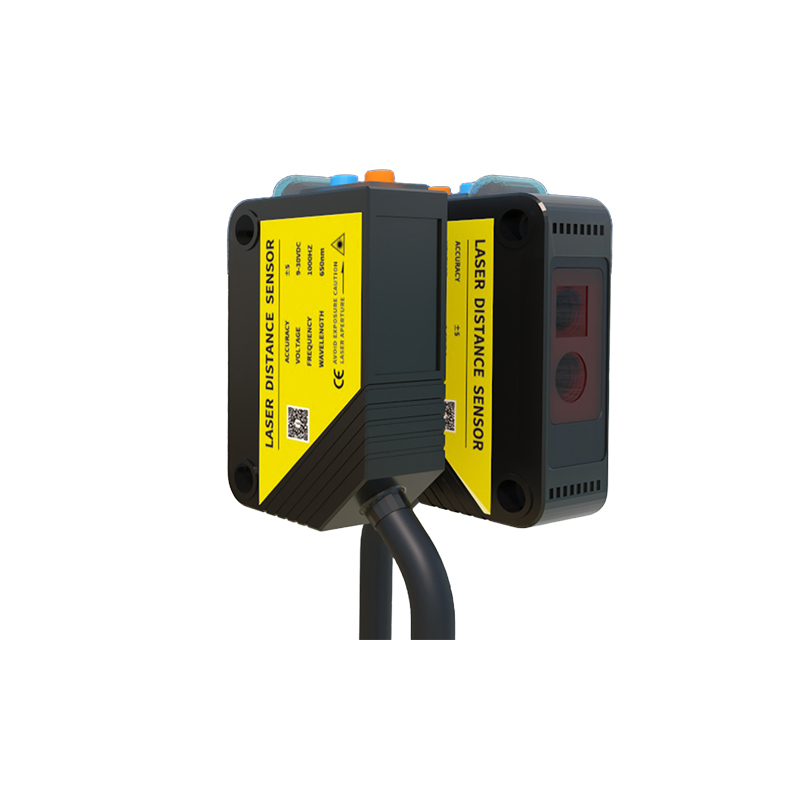
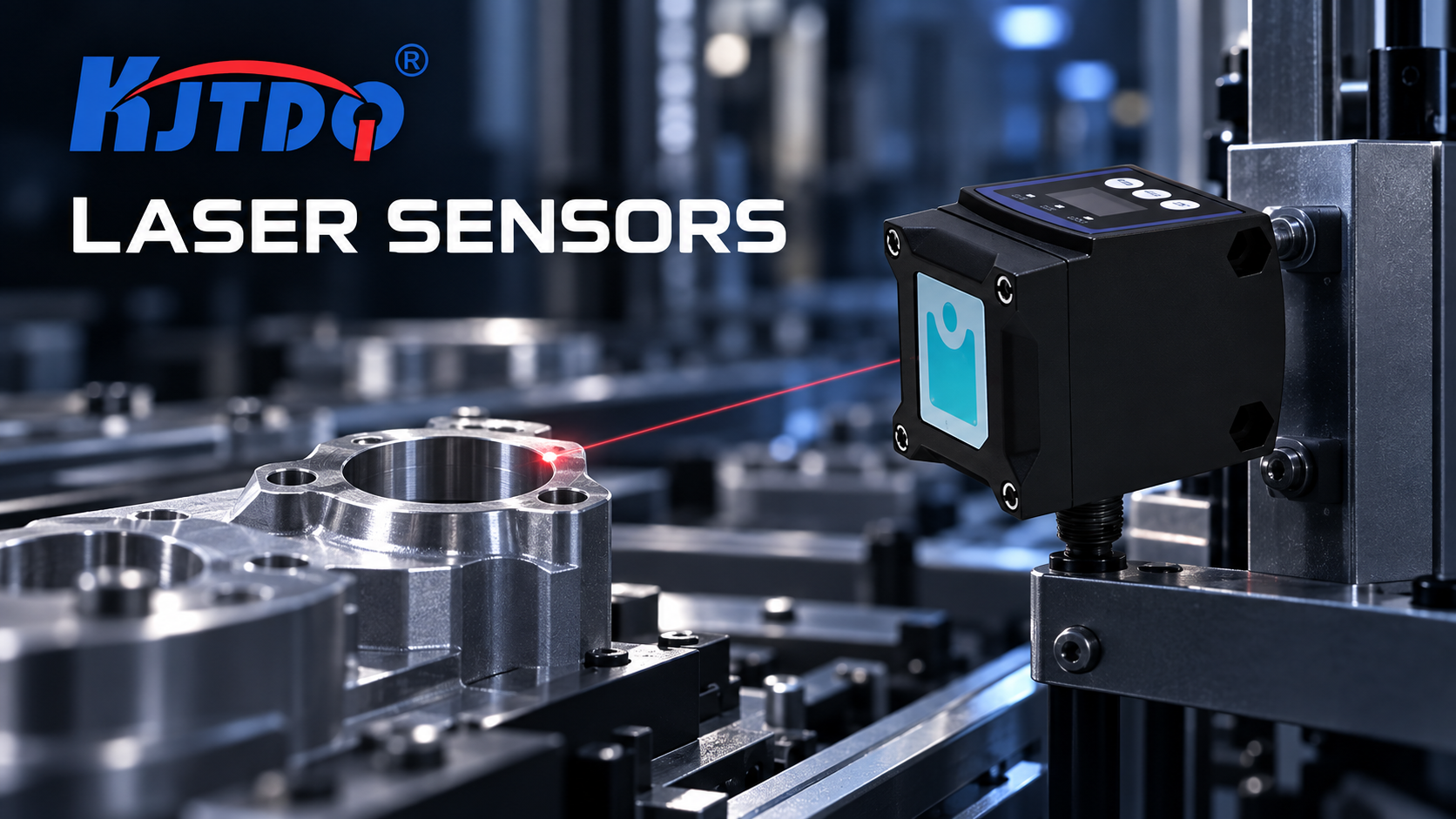
At its core, the LR-ZB100P is a high-performance diffuse-reflective laser sensor. Unlike through-beam or retro-reflective models, it operates by emitting a laser beam and detecting the light reflected directly from the target object. This design simplifies installation, as it requires only a single unit and does not need a separate receiver or reflector aligned on the opposite side. The sensor utilizes a visible red laser beam, which greatly facilitates precise alignment and setup, allowing operators to visually confirm the sensing point on the target. This feature alone minimizes installation time and reduces potential errors during commissioning.
One of the most critical specifications of any laser sensor is its measurement accuracy and repeatability. The LR-ZB100P excels in this regard, boasting a remarkably high resolution. This level of precision enables it to detect minute variations in position, height, or presence, making it an ideal tool for applications such as wafer alignment in semiconductor fabrication, precise edge detection in web guiding systems, or thickness measurement of delicate materials. Its fast response time ensures that even in high-speed production lines, no event goes undetected, maintaining consistent throughput without compromising on quality assurance.
The operational reliability of the LR-ZB100P is enhanced by its sophisticated internal circuitry and optical design. It is engineered to maintain stable performance despite common environmental challenges found in industrial settings. Factors like ambient light interference, variations in target color or surface texture (within specified ranges), and minor vibrations have a minimized impact on its sensing capability. Many models in this category come equipped with built-in temperature compensation, ensuring that measurements remain accurate even as the ambient temperature fluctuates throughout a production cycle. This robustness translates directly into reduced downtime and lower maintenance costs.
A key feature that sets advanced sensors like the LR-ZB100P apart is programmability and intuitive configuration. Modern units often include a digital display and simple push-button controls or software interfaces that allow users to easily set parameters such as the sensing distance, output logic (light-on/dark-on), and response speed. Some versions offer teach-in functionality, where the sensor can be programmed by simply placing the target object at the desired reference point. This user-friendly approach empowers technicians without deep expertise to quickly adapt the sensor to various tasks, enhancing operational flexibility.
The practical applications for the LR-ZB100P laser sensor are vast and span multiple industries. In automotive assembly, it can be used for precise gap and flush measurement between body panels. In electronics manufacturing, it ensures components are placed correctly on printed circuit boards. In packaging, it verifies fill levels, counts items on a conveyor, or checks for the presence of labels. Its precision also makes it suitable for laboratory equipment and automated microscopy stages. The ability to provide a stable, digital or analog output signal allows for seamless integration with Programmable Logic Controllers (PLCs), robotics, and data acquisition systems, forming a critical link in the Industry 4.0 and smart factory ecosystem.
When selecting a sensor for a specific application, several factors must be considered alongside the LR-ZB100P's specifications. The sensing range must be appropriate for the working distance to the target. The size of the minimum detectable object and the beam spot size are crucial for detecting small features. Environmental ratings, such as IP67 for dust and water resistance, are essential for harsh environments. Finally, the mechanical design, including housing material and connection type, must suit the physical installation constraints. Proper selection ensures optimal performance and longevity.
In conclusion, the LR-ZB100P laser sensor embodies the cutting edge of diffuse-reflective sensing technology. It delivers the high precision, reliability, and ease of use that contemporary automated processes require. By providing accurate, non-contact measurement and detection, it plays a pivotal role in enhancing product quality, optimizing production efficiency, and enabling more sophisticated automation. For engineers and system integrators seeking a dependable solution for challenging sensing tasks, the LR-ZB100P stands as a proven and capable choice, driving innovation and consistency across countless industrial and scientific fields.