check

check

check

check
check
check
check
check

check

check
In the realm of industrial automation and precision engineering, the demand for reliable, high-accuracy measurement solutions is paramount. The ZS-L Laser Sensor emerges as a standout technology, engineered to meet the rigorous challenges of modern manufacturing, quality control, and research applications. This guide delves into the core functionalities, key advantages, and diverse use cases of this advanced sensor, providing a comprehensive overview for professionals seeking to enhance their operational efficiency and data integrity.
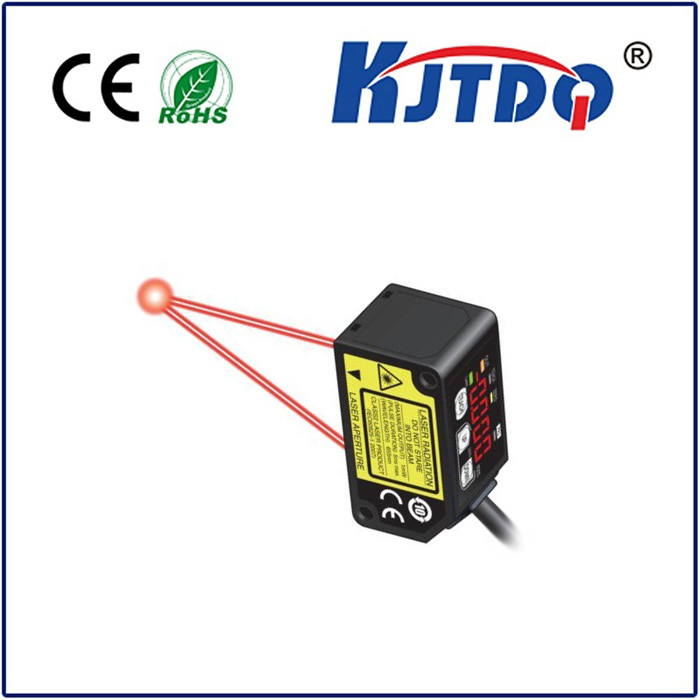
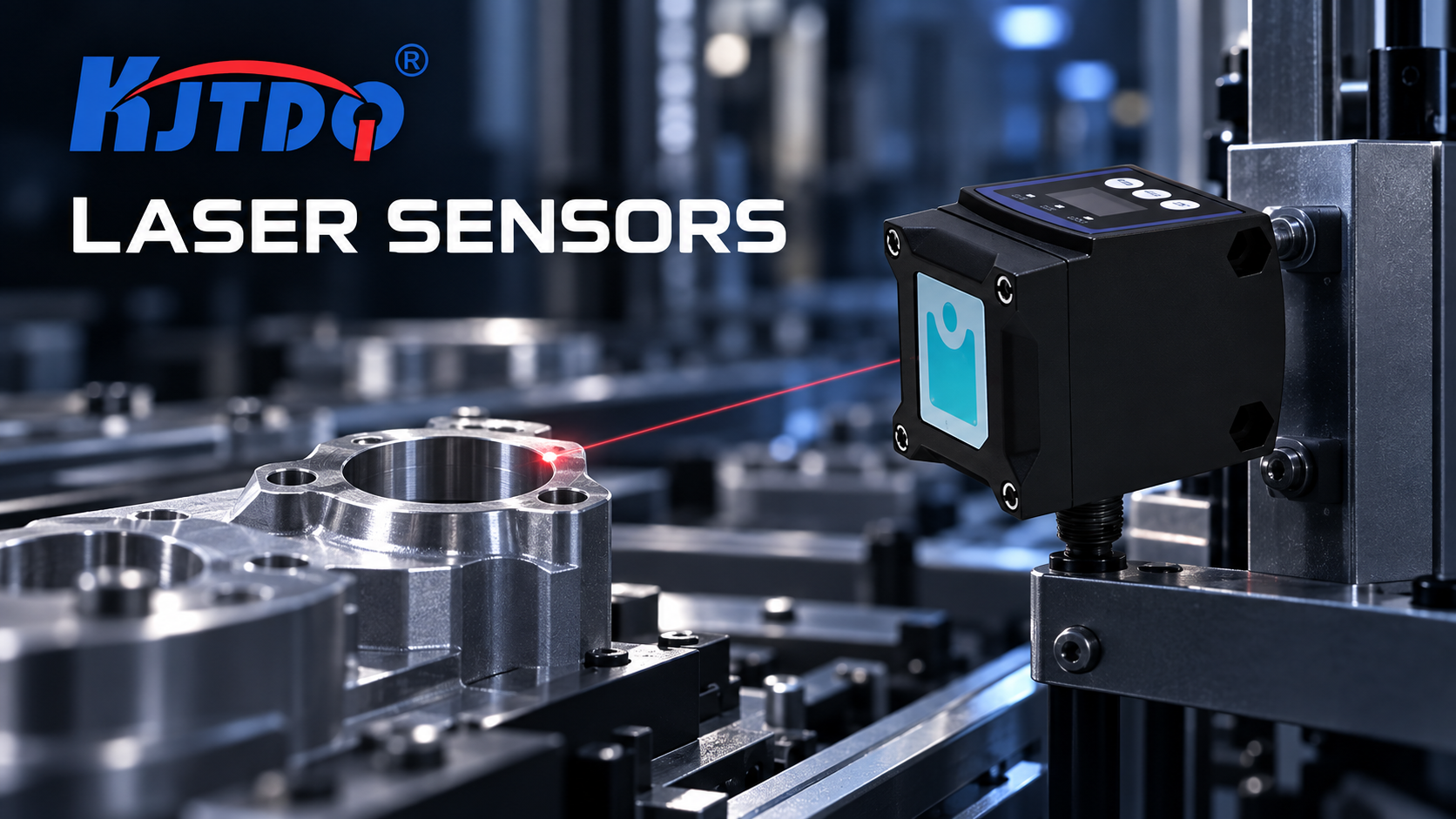
At its heart, the ZS-L Laser Sensor operates on the principle of laser triangulation. It projects a focused, visible red laser beam onto the target surface. The reflected light is then captured by a high-resolution CMOS array at a specific angle. By precisely calculating the position of the laser spot on the receiver, the sensor determines the exact distance to the target with exceptional accuracy. This non-contact method is crucial for measuring delicate, hot, fast-moving, or otherwise inaccessible objects without causing any wear or damage.
The defining characteristic of the ZS-L series is its remarkable precision. Capable of micrometer-level resolution, it delivers consistent and repeatable measurements critical for applications like thickness gauging, warp detection, and profile scanning. Its high sampling speed allows for real-time monitoring of dynamic processes on production lines, enabling immediate feedback and control. Furthermore, models within the ZS-L range often feature robust housing designs with high IP ratings, ensuring reliable performance in harsh industrial environments exposed to dust, moisture, and vibration.
A significant advantage of this sensor is its versatility. It is not limited to simple distance measurement. Advanced models offer programmable multi-point measurement, edge detection, and profile analysis functionalities. Users can configure thresholds and outputs to trigger alarms or control machinery when a measurement deviates from a set tolerance. The intuitive setup, often facilitated by user-friendly software, allows for quick integration into existing systems with various digital and analog output options, including NPN/PNP, USB, and Ethernet.
The practical applications of the ZS-L Laser Sensor span numerous industries. In electronics manufacturing, it ensures the precise placement of components on circuit boards and measures the coplanarity of BGA chips. Within the automotive sector, it verifies the gap and flush between body panels and inspects tire tread depth. In packaging, it monitors fill levels in bottles and checks the seal integrity of containers. Additionally, it plays a vital role in robotics for precise positioning and guidance, and in logistics for dimensioning parcels and pallets.
Selecting the right ZS-L model requires careful consideration of specific needs. Key parameters include measuring range, spot size, resolution, response time, and the required output interface. For instance, a smaller spot size is ideal for measuring very small objects or sharp edges, while a larger measuring range might be necessary for bulkier items. Environmental factors such as ambient light, target surface color, and material texture (e.g., transparent, shiny, or dark) can influence performance, but many ZS-L sensors incorporate sophisticated algorithms to compensate for these variables.
Implementation best practices are straightforward but essential. Ensuring stable mounting to minimize vibration, calibrating the sensor against a known reference, and aligning the laser beam perpendicular to the target surface are fundamental steps. Regular maintenance, primarily keeping the lens clean from obstructions, guarantees long-term accuracy and sensor longevity. The robust design of the ZS-L sensor minimizes downtime, contributing to a lower total cost of ownership over its operational life.
In conclusion, the ZS-L Laser Sensor represents a fusion of optical precision and robust engineering. It provides a critical solution for non-contact measurement where accuracy, speed, and reliability are non-negotiable. By translating physical dimensions into precise digital data, it empowers industries to automate complex inspections, improve product quality, reduce waste, and optimize production workflows. For engineers and system integrators aiming to push the boundaries of precision, the ZS-L Laser Sensor is an indispensable tool in the technological arsenal, driving innovation and efficiency across the global industrial landscape.