check
check

check

check
check
check
check
check

check

check
In the world of industrial automation and precision engineering, the quest for accurate, reliable, and fast measurement is never-ending. Among the myriad of solutions available, the DME4000-121 laser sensor stands out as a benchmark for performance. This device represents a significant leap forward in non-contact measurement technology, offering capabilities that are essential for modern manufacturing, quality control, and research applications. Unlike traditional mechanical probes or less advanced optical systems, the DME4000-121 utilizes a focused laser beam to capture data with exceptional fidelity, making it an indispensable tool where micron-level accuracy is non-negotiable.
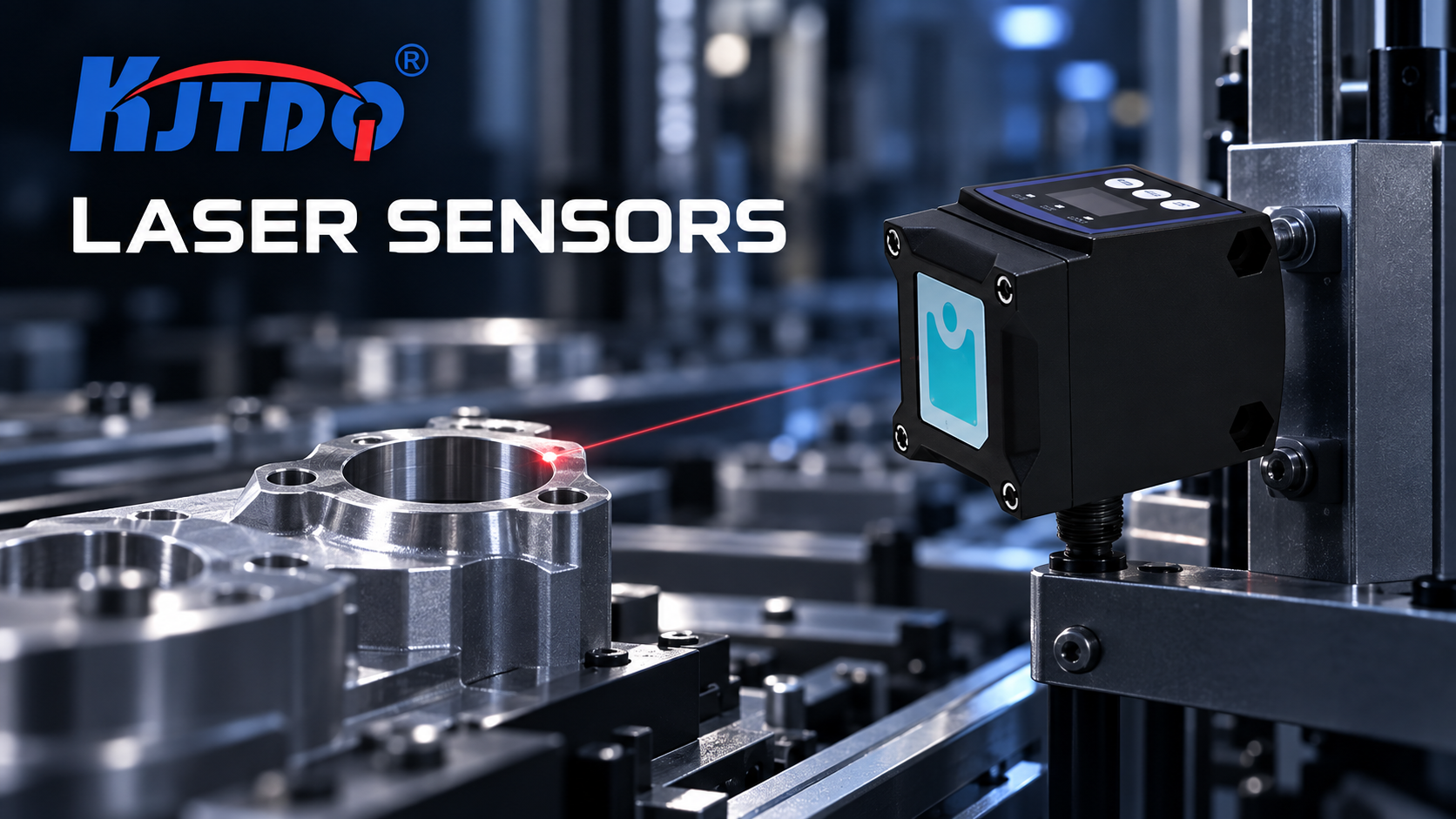
The core principle behind the DME4000-121 is laser triangulation. The sensor emits a highly visible red laser dot onto the target surface. The reflected light is then captured by a high-resolution receiver at a specific angle. By precisely calculating the position of this reflected spot, the sensor determines the exact distance to the target. This method allows for measurements that are incredibly fast, repeatable, and unaffected by the surface material's color or reflectivity to a remarkable degree, thanks to advanced internal algorithms. The DME4000-121 is specifically engineered to deliver these results in challenging industrial environments, featuring a robust housing that provides resistance to dust, vibrations, and incidental impacts.
One of the most compelling advantages of the DME4000-121 laser sensor is its versatility. It is not limited to simple distance checking. Its high sampling rate and resolution enable a wide range of applications. On production lines, it is routinely used for precise height and thickness measurement of components, ensuring every part meets strict dimensional tolerances. It excels in gap and step measurement, crucial in assembly processes for electronics and automotive parts. Furthermore, its ability to detect minute variations makes it perfect for contour profiling and vibration analysis, providing valuable data for predictive maintenance and product development. The sensor's digital interface allows for seamless integration with PLCs, industrial PCs, and data acquisition systems, streamlining the entire measurement workflow.
When selecting a measurement sensor, reliability is paramount. The DME4000-121 is built for continuous operation in demanding settings. Its laser diode is rated for a long operational life, minimizing downtime and maintenance costs. The unit is designed with user-friendly features, such as clear status LEDs and simple teach-in functions for setting measurement windows, which reduce setup time and operator error. Compared to ultrasonic or capacitive sensors, the laser-based DME4000-121 offers superior precision and a much smaller spot size, allowing for measurements on very small targets or within confined spaces.
Implementing the DME4000-121 can lead to substantial improvements in product quality and operational efficiency. By providing real-time, accurate data, it enables closed-loop control systems that can automatically adjust machinery to correct deviations, reducing waste and rework. In quality assurance labs, it delivers objective, quantifiable data that surpasses manual inspection methods in both speed and accuracy. For engineers and researchers, it opens up new possibilities for analyzing material properties, deformation under stress, and dynamic processes that were previously difficult to capture.
In conclusion, the DME4000-121 laser sensor is more than just a measuring device; it is a critical component for any operation dedicated to excellence and precision. Its blend of advanced laser technology, rugged construction, and application flexibility addresses the core needs of modern industry. Whether for ensuring the flawless assembly of a smartphone, monitoring the thickness of rolled metal, or conducting cutting-edge materials research, the DME4000-121 provides the trustworthy data foundation necessary for innovation, quality, and efficiency. Investing in such a sensor is a strategic move towards building a more capable, data-driven, and competitive manufacturing or research environment.