check
check

check

check
check
check
check
check

check

check
In the world of industrial automation and precision engineering, the demand for reliable, accurate, and robust measurement solutions is ever-growing. Among the plethora of technologies available, laser sensors have carved out a critical niche, offering non-contact measurement with exceptional speed and accuracy. The HG-C series of laser sensors stands as a prominent example of this technological advancement, providing engineers and system integrators with a powerful tool for a wide range of applications. This guide delves into the core features, operational principles, and practical benefits of the HG-C laser sensor, illustrating why it is a preferred choice in demanding environments.
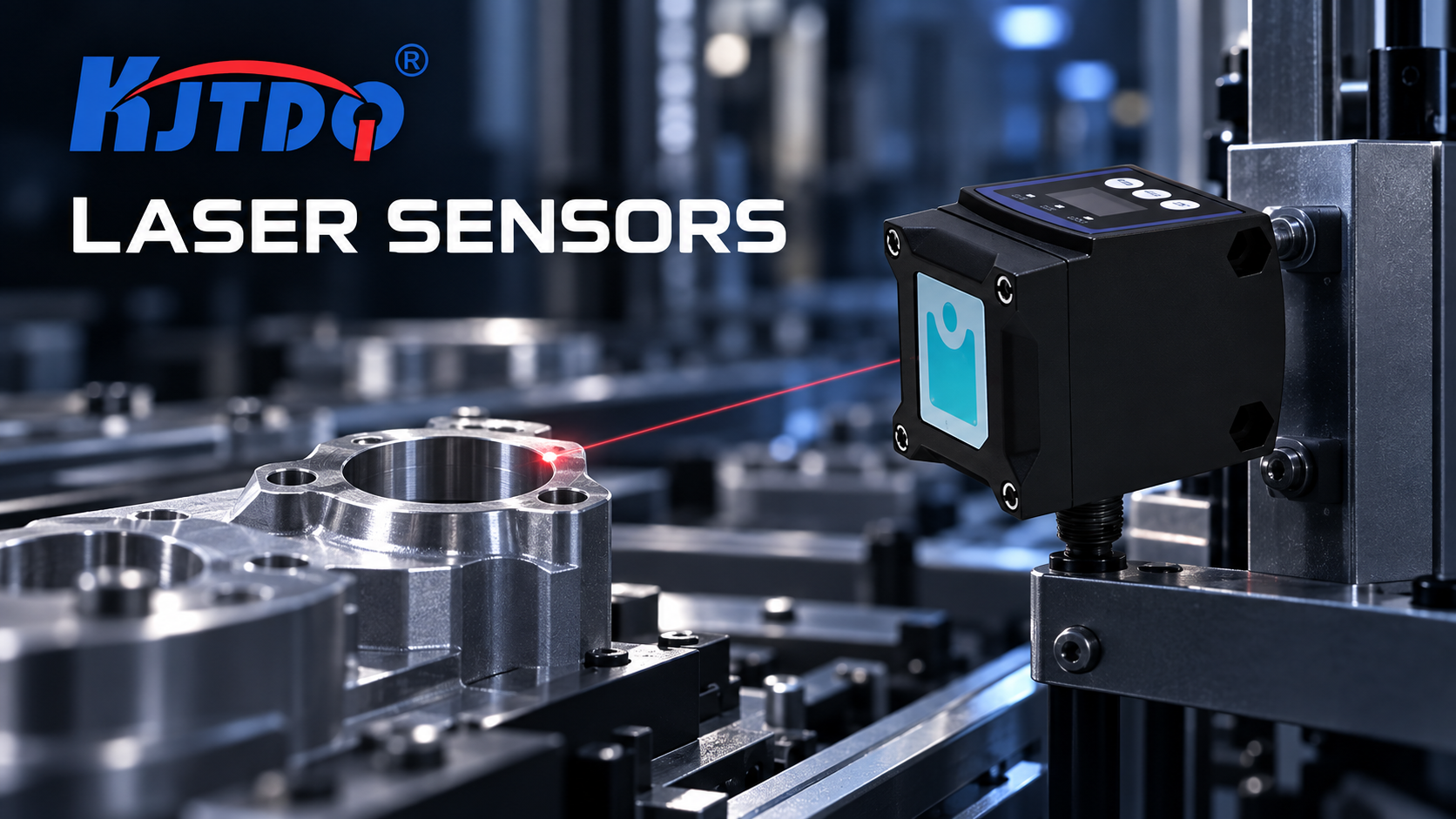
At its heart, the HG-C laser sensor operates on the principle of triangulation. It emits a focused beam of visible red laser light onto the target surface. The reflected light is then captured by a high-resolution CMOS imaging element at a specific angle. By precisely calculating the position of the laser spot on the receiver, the sensor determines the distance to the target with remarkable accuracy. This non-contact method eliminates issues associated with mechanical wear, surface damage, or contamination, ensuring consistent performance over long periods. The visible laser spot also simplifies setup and alignment, allowing for quick and intuitive installation on production lines.
One of the defining characteristics of the HG-C series is its exceptional precision. Capable of micrometer-level resolution, these sensors are indispensable in applications where minute variations matter. Whether it's measuring the thickness of thin films, monitoring the height of components on a PCB, or inspecting the profile of machined parts, the HG-C delivers repeatable and trustworthy data. This high precision is maintained across various surface types, including challenging materials like shiny metals or dark, absorbent surfaces, thanks to advanced algorithms that compensate for reflectivity differences.
Beyond precision, robustness is a key factor in industrial settings. The HG-C laser sensor is typically housed in a rugged, compact metal casing designed to withstand harsh conditions. It offers excellent resistance to ambient light interference, electrical noise, and vibrations commonly found in factory environments. Many models in the series feature an IP67 protection rating, making them dust-tight and capable of withstanding temporary immersion in water. This durability translates to reduced downtime and lower maintenance costs, as the sensor continues to operate reliably even in less-than-ideal circumstances.
The versatility of the HG-C sensor is another significant advantage. It is not limited to simple distance measurement. Its capabilities extend to edge detection, width measurement, step height detection, and even presence/absence checking. With programmable logic and multiple output options (such as NPN/PNP analog voltage or current, and digital RS-422), it can be seamlessly integrated into complex control systems. Users can configure thresholds, set measurement windows, and adjust response times via intuitive teaching modes or dedicated software, tailoring the sensor's behavior to the specific task at hand.
Practical applications for the HG-C laser sensor span numerous industries. In automotive manufacturing, it ensures precise gap and flush measurements between body panels. In electronics, it verifies component placement and solder paste height. In packaging, it monitors fill levels and checks seal integrity. In semiconductor production, it is crucial for wafer mapping and alignment. The ability to provide real-time, high-fidelity measurement data enables proactive quality control, process optimization, and early detection of deviations, ultimately enhancing overall production efficiency and product quality.
When selecting a sensor for a critical measurement task, factors such as measurement range, spot size, linearity, and sampling speed must be carefully considered. The HG-C series offers a variety of models with different specifications to meet these diverse needs. Its combination of cutting-edge optical technology, robust construction, and user-friendly design makes it a compelling solution. By investing in a reliable measurement tool like the HG-C laser sensor, businesses can achieve greater automation, improve product consistency, and gain a competitive edge through superior process control and quality assurance.