check

check
check

check
check

check
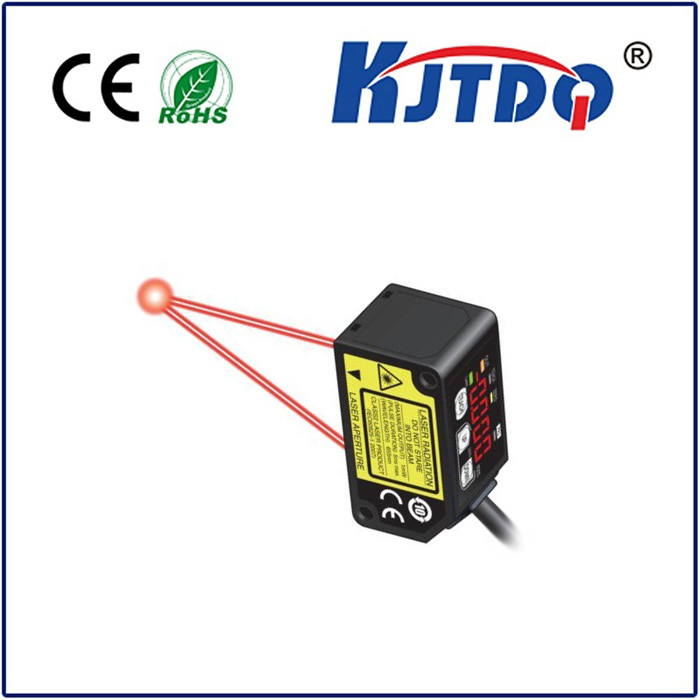
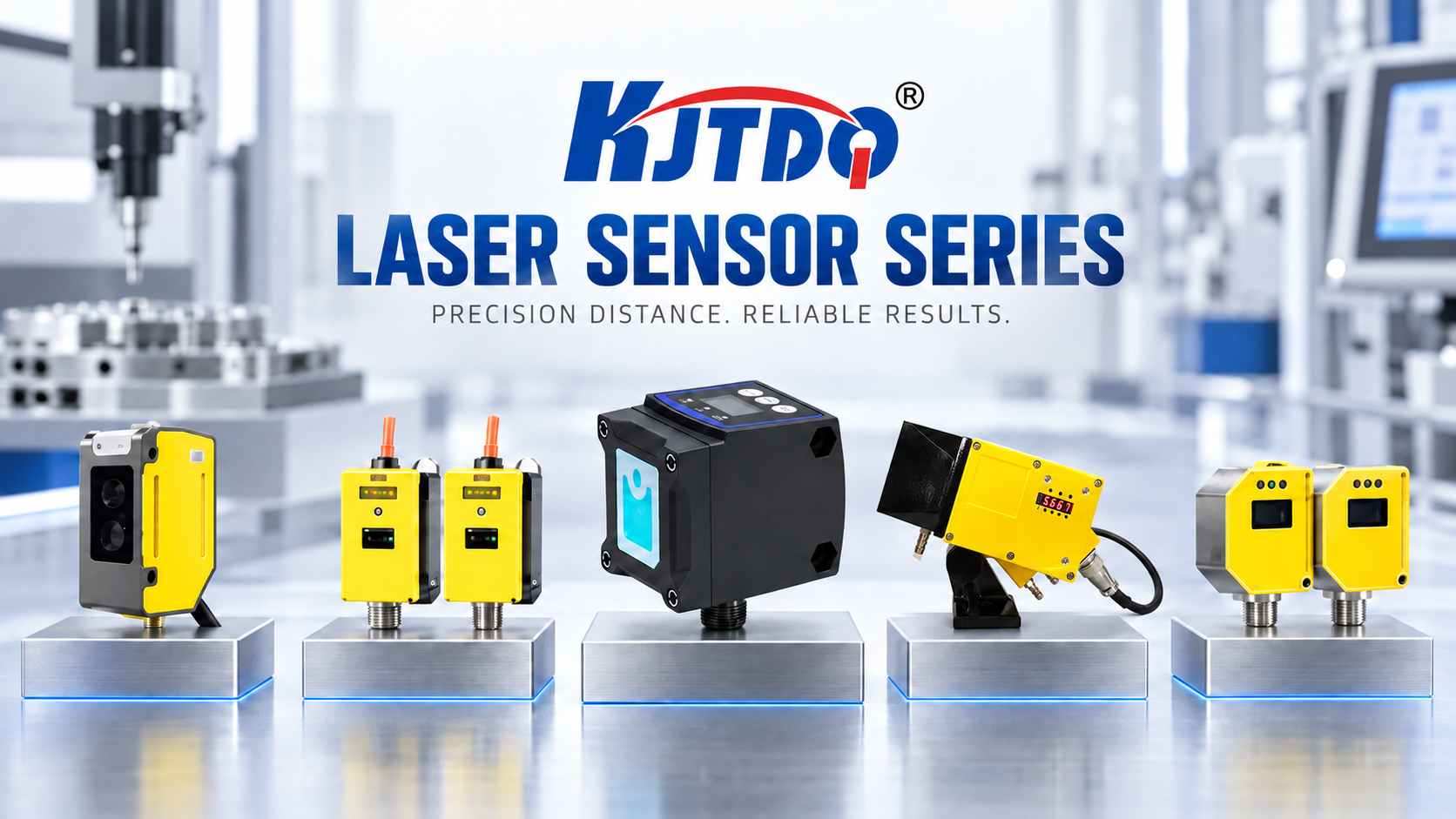
In the rapidly evolving landscape of industrial automation, the demand for reliable and precise measurement solutions has never been greater. The PNBC105 laser sensor emerges as a standout component, engineered to meet the rigorous demands of modern manufacturing, logistics, and quality control environments. This device exemplifies the integration of advanced laser technology with robust industrial design, offering users a tool that enhances both efficiency and accuracy in a variety of applications.
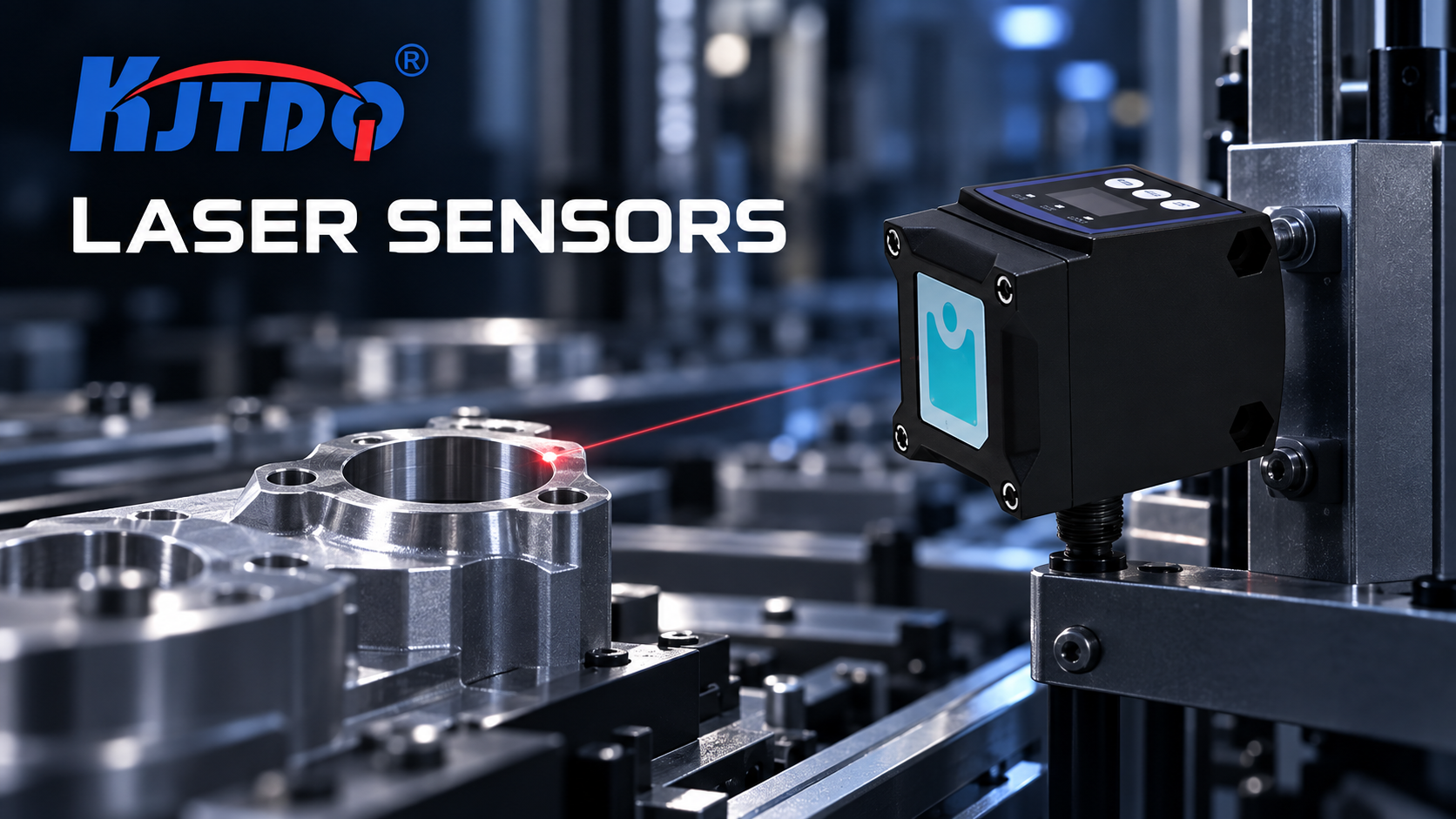
At its core, the PNBC105 is a laser distance sensor that operates on the principle of laser triangulation or time-of-flight measurement, depending on the specific model variant. This technology allows for non-contact measurement, which is crucial in scenarios where physical contact could damage the target object or the sensor itself. The sensor emits a focused laser beam towards a target; the reflected light is then captured and analyzed to calculate the exact distance with high resolution. This process occurs in milliseconds, enabling real-time monitoring and control in dynamic production lines.
One of the defining features of the PNBC105 laser sensor is its exceptional precision. Capable of achieving micrometer-level accuracy, it is ideally suited for tasks such as thickness gauging, position detection, and profile scanning. In automotive assembly, for instance, it can verify the precise placement of components, ensuring that every part meets stringent tolerances. Similarly, in the packaging industry, the sensor can monitor fill levels or check the dimensions of products on a conveyor belt, reducing material waste and preventing defects.
Durability is another critical aspect of the PNBC105. Constructed with a rugged housing, often rated at IP67 or higher, it is resistant to dust, moisture, and mechanical shocks. This makes it suitable for deployment in harsh industrial settings, including foundries, outdoor logistics yards, and clean rooms in electronics manufacturing. The sensor's design also incorporates temperature compensation mechanisms, ensuring stable performance across a wide operating range, from freezing cold to high-heat environments.
Integration into existing systems is straightforward, thanks to the PNBC105's versatile output options. It typically provides analog outputs (e.g., 4-20 mA, 0-10 V) and digital interfaces (e.g., RS-485, Ethernet/IP, PROFINET), allowing seamless connectivity with PLCs, HMIs, and data acquisition systems. Many models also feature programmable logic and teach-in functions, enabling users to set measurement windows, thresholds, and alarms directly via software or a built-in interface. This flexibility reduces setup time and allows for quick adaptation to changing production needs.
Beyond traditional manufacturing, the PNBC105 finds applications in emerging fields like robotics and autonomous guided vehicles (AGVs). In robotic arms, it serves as a critical feedback sensor for precise picking and placing operations, especially in bin-picking scenarios where object locations vary. For AGVs, the sensor aids in navigation and obstacle detection, contributing to safer and more efficient material handling in warehouses and factories.
When selecting a laser sensor like the PNBC105, factors such as measurement range, spot size, response time, and environmental conditions must be considered. The PNBC105 series often offers multiple range options, from short-range models for fine details to long-range versions for larger distances. The laser spot size is small and consistent, allowing for measurements on tiny or reflective surfaces without interference. Fast response times ensure that even high-speed processes can be monitored without lag, maintaining throughput and quality.
Maintenance requirements for the PNBC105 are minimal, owing to its solid-state design with no moving parts. Regular cleaning of the lens to remove dust or debris is usually sufficient to maintain optimal performance. Many units also include self-diagnostic features that alert operators to potential issues like lens contamination or alignment errors, facilitating proactive maintenance and reducing downtime.
In summary, the PNBC105 laser sensor represents a convergence of precision, durability, and adaptability. It addresses the core challenges of industrial measurement by providing accurate, non-contact data that drives automation and quality assurance. As industries continue to embrace smart manufacturing and Industry 4.0 initiatives, tools like the PNBC105 will play an increasingly vital role in optimizing processes, enhancing safety, and achieving operational excellence. For engineers and system integrators seeking a dependable measurement solution, this sensor offers a proven technology backbone that supports innovation and growth in a competitive global market.