check

check

check

check
check
check
check
check

check
check
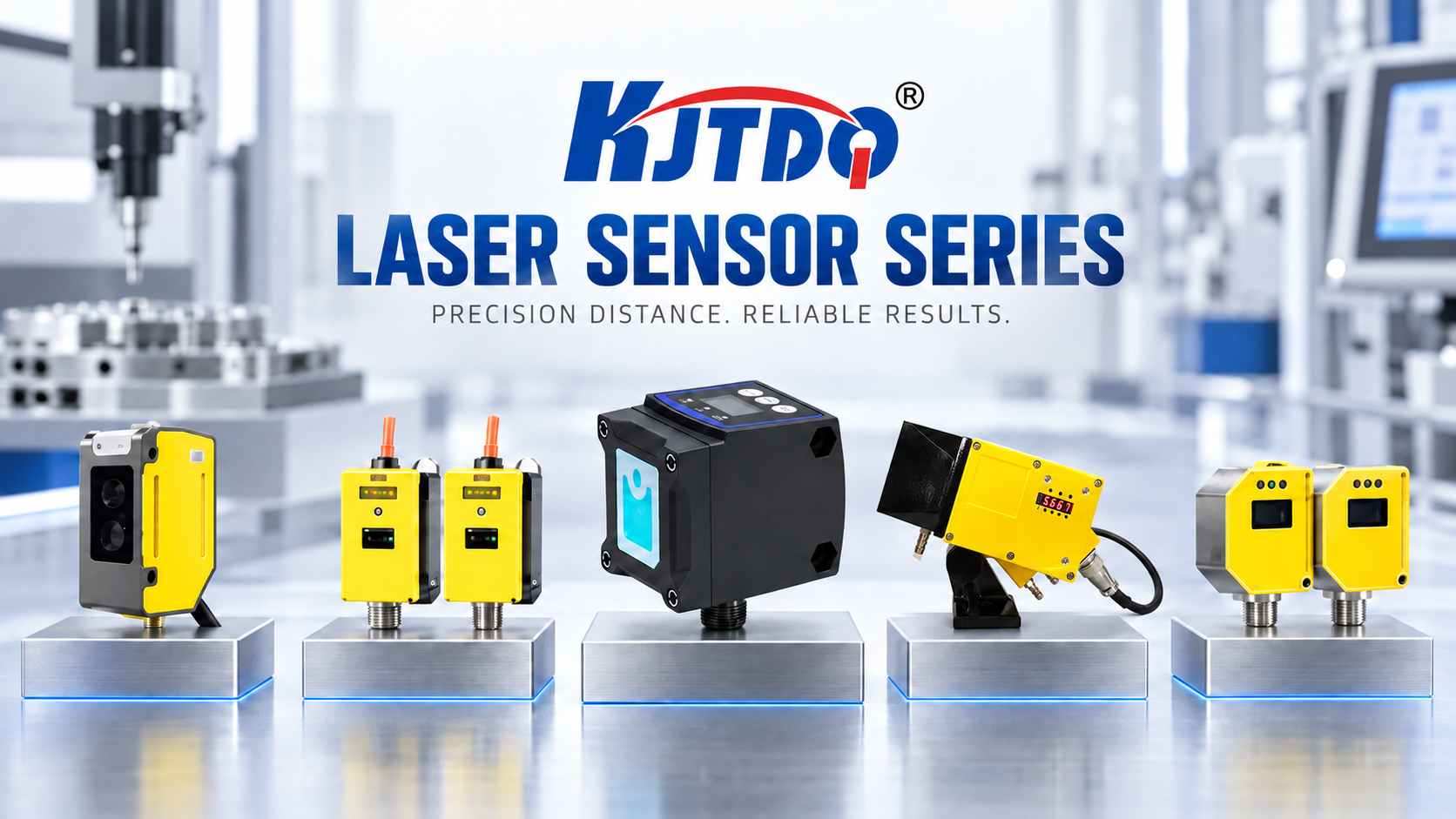
In the rapidly evolving landscape of industrial automation and precision engineering, the demand for accurate, reliable, and robust sensing solutions has never been higher. Among the myriad of technologies available, laser sensors stand out for their exceptional performance in non-contact measurement and detection. The YPO5PA3 laser sensor represents a significant advancement in this field, offering unparalleled capabilities that cater to a wide range of demanding applications. This guide delves into the core features, operational principles, and practical benefits of this cutting-edge device, providing a comprehensive overview for engineers, system integrators, and industry professionals seeking to enhance their operational efficiency.
At its heart, the YPO5PA3 is a high-precision laser displacement sensor. It operates on the principle of triangulation, where a focused laser beam is projected onto a target surface. The reflected light is captured by a receiving element, typically a position-sensitive detector. Any change in the distance to the target causes a shift in the position of the reflected light spot on the detector. This shift is then precisely calculated by the sensor's internal processor to determine the exact distance or displacement with micron-level accuracy. This non-contact method is crucial for measuring delicate, hot, fast-moving, or otherwise inaccessible objects without causing any wear or interference.
The technical specifications of the YPO5PA3 are engineered for excellence. It boasts a high sampling rate, enabling real-time measurement of dynamic processes. Its measurement range is optimized for versatility, allowing it to be deployed in scenarios from minute component inspection to larger-scale positioning tasks. The sensor features a compact and rugged housing, often with an IP67 rating, making it resistant to dust, water jets, and typical industrial vibrations. This durability ensures consistent performance in harsh environments such as automotive assembly lines, semiconductor manufacturing floors, and metalworking facilities.
One of the standout advantages of the YPO5PA3 laser sensor is its exceptional stability and repeatability. Environmental factors like ambient light or temperature fluctuations have minimal impact on its readings, thanks to advanced optical design and signal processing algorithms. This reliability translates directly into improved product quality and reduced waste on production lines. For instance, in quality control, it can precisely measure the thickness of materials, the height of components on a PCB, or the profile of a machined part, instantly flagging any deviations from specified tolerances.
Integration into existing systems is streamlined through multiple output options. The YPO5PA3 typically provides analog outputs (e.g., 0-10V or 4-20mA) for continuous distance data and digital I/O for switching functions or high-speed data transmission via protocols like RS-485. This flexibility allows it to communicate seamlessly with PLCs, data loggers, and computer-based control systems. Furthermore, many models come with intuitive configuration software, enabling users to easily set measurement windows, thresholds, and filtering parameters without deep programming knowledge.
Practical applications are vast and varied. In robotics, the YPO5PA3 provides critical feedback for precise arm positioning and object recognition. In the packaging industry, it ensures consistent fill levels and checks label placement. Within electronics manufacturing, it verifies coplanarity of BGA chips and measures solder paste height. Its speed and accuracy also make it ideal for vibration analysis and edge detection in high-throughput sorting systems. By enabling such precise feedback, the sensor becomes a cornerstone for implementing Industry 4.0 principles, facilitating predictive maintenance and data-driven process optimization.
Selecting the right sensor for a specific task involves considering factors like required resolution, stand-off distance, target surface properties (color, reflectivity, texture), and environmental conditions. The YPO5PA3 series often includes variants tailored for different surface types, including challenging dark or shiny materials, through adjustable laser power or specialized receiving optics. Proper installation, alignment, and periodic calibration are recommended to maintain optimal performance over the sensor's long operational lifespan.
In conclusion, the YPO5PA3 laser sensor embodies the convergence of precision optics, advanced electronics, and robust mechanical design. It solves complex measurement challenges with a simple, non-contact approach, driving improvements in automation, quality assurance, and operational intelligence across diverse sectors. As industries continue to push the boundaries of precision and efficiency, technologies like the YPO5PA3 will remain indispensable tools for innovation and competitive advantage, providing the clear, accurate data needed to make informed decisions and perfect every process.