check
check
check

check
check
check
check
check

check

check
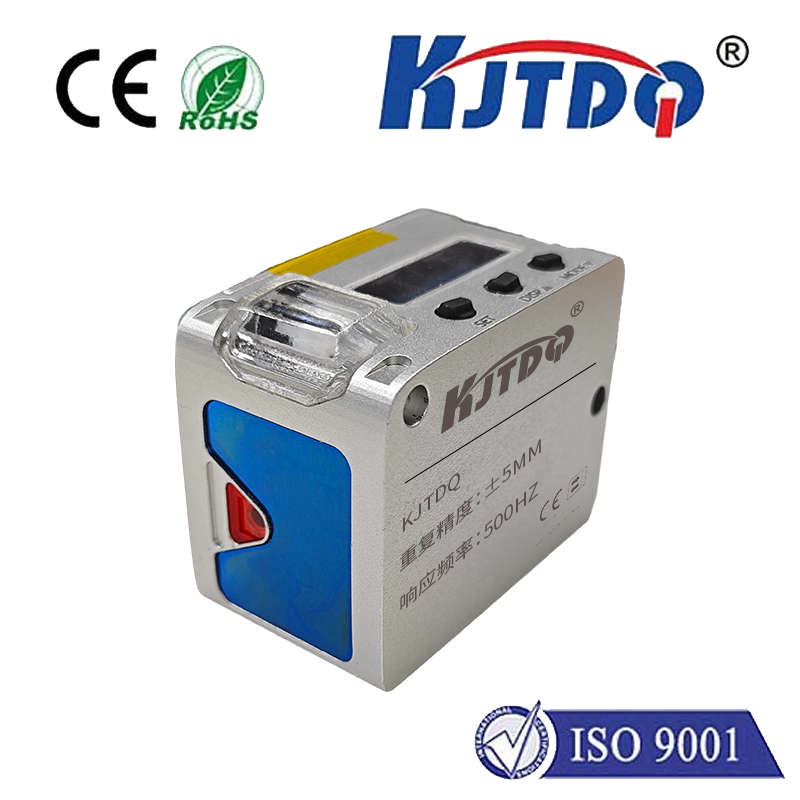
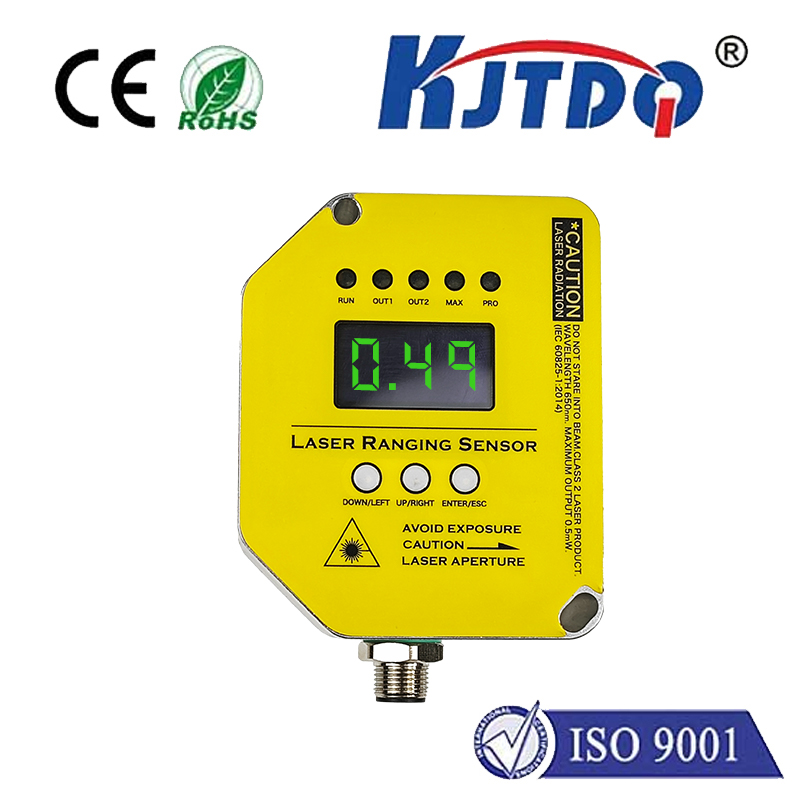
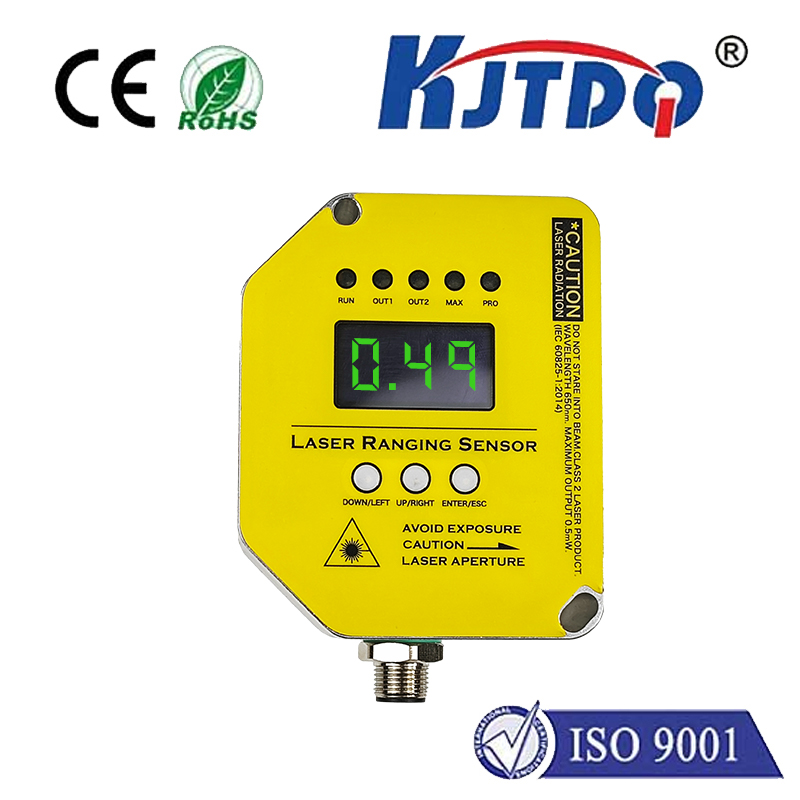
In the realm of industrial automation and precision measurement, the demand for reliable, accurate, and robust sensing technology is paramount. Among the myriad of options available, laser sensors have carved out a critical niche, offering unparalleled performance in challenging environments. The O1D209 laser sensor stands as a prominent example of this advanced technology, engineered to meet the rigorous demands of modern manufacturing, logistics, and quality control processes. This guide delves into the core features, applications, and benefits of the O1D209, providing a comprehensive overview for engineers, system integrators, and procurement specialists.
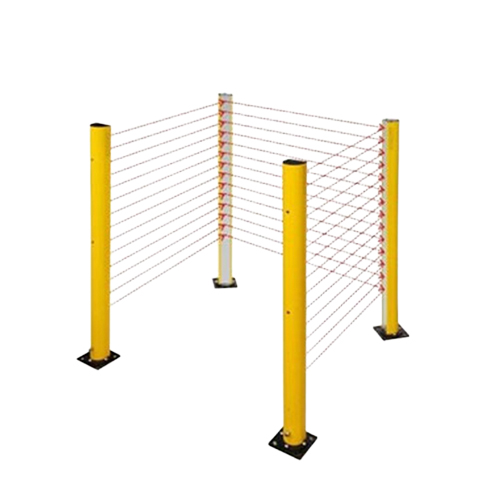
At its core, the O1D209 is a through-beam laser sensor. This design utilizes a separate transmitter and receiver unit. The transmitter emits a focused, coherent laser beam, which is then received by the opposing unit. An object is detected when it interrupts this beam. This fundamental principle allows the O1D209 to achieve exceptional performance metrics. One of its most significant advantages is its long sensing distance. Capable of stable detection over several meters, it solves problems where other sensor types, like diffuse-reflective or ultrasonic models, fall short due to limited range or susceptibility to target surface properties.
Precision is non-negotiable in applications such as part positioning on a high-speed conveyor or verifying the presence of tiny components. The O1D209 excels here due to the laser's highly collimated beam. Unlike diffuse light, the laser spot remains extremely small even over long distances. This results in a minute detection area, enabling the sensor to identify very small objects or precisely determine an object's edge position with minimal error. This high resolution is crucial for maintaining tight tolerances in automated assembly lines.
Environmental robustness is another cornerstone of the O1D209's design. Industrial settings are often plagued by ambient light interference, dust, oil mist, and vibrations. The sensor's modulated laser light and specialized optical filters make it highly resistant to ambient light from factory lighting or sunlight. Its sturdy housing, typically rated at IP67 or higher, ensures protection against dust ingress and water jets, guaranteeing reliable operation in harsh conditions like machining centers or outdoor logistics hubs. This durability translates directly into reduced downtime and lower maintenance costs.
The practical applications of the O1D209 laser sensor are vast and varied. In packaging machinery, it is indispensable for accurate bottle or box counting on fast-moving lines, ensuring correct fill levels and package grouping. Within the automotive industry, it plays a vital role in robot guidance systems, verifying the precise placement of parts like windshields or doors before assembly. In material handling, it is used for palletizing control, detecting the presence of packages on shelves, and ensuring proper alignment in automated storage and retrieval systems (AS/RS). Furthermore, its ability to see through transparent materials, like glass or plastic films, makes it perfect for detecting clear objects that confound other sensors.
Integration into existing control systems is straightforward. The O1D209 typically offers multiple output options, including NPN/PNP transistors or relay contacts, compatible with standard PLCs (Programmable Logic Controllers). Many models also feature adjustable sensitivity or time-delay functions, allowing fine-tuning for specific application needs. This plug-and-play capability, combined with easy alignment aids like visible red laser beams, minimizes installation time and complexity.
When selecting a sensor for a critical detection task, the choice often boils down to reliability and total cost of ownership. The O1D209 laser sensor, with its long-range, high-precision, and rugged design, presents a compelling solution. It reduces false triggers caused by environmental factors, minimizes waste from positioning errors, and enhances overall system throughput. For engineers tasked with optimizing production efficiency and ensuring consistent quality, incorporating a reliable through-beam laser sensor like the O1D209 is a strategic investment. It represents not just a component, but a foundational element for building resilient and intelligent automated systems that can withstand the tests of time and operational demand.