check
check
check
check
check
check
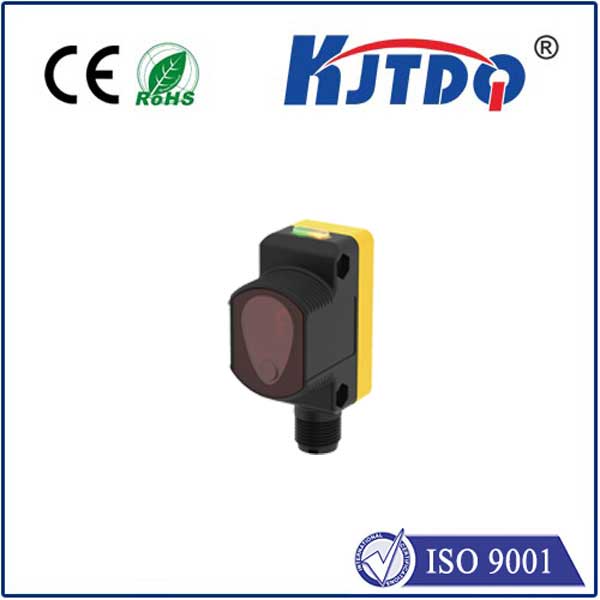
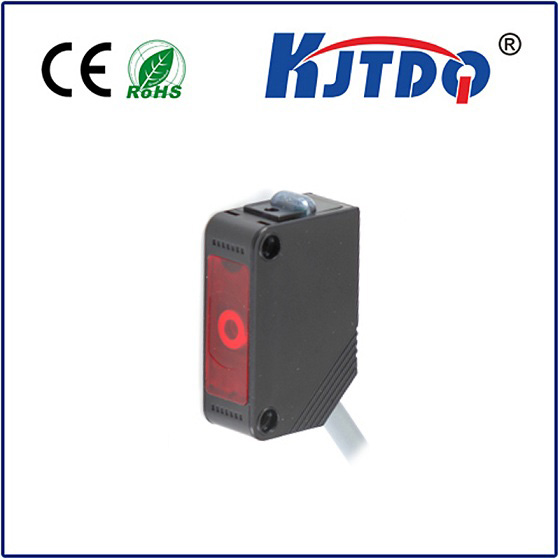
In the world of industrial automation and precision engineering, accurate distance measurement is not just a convenience—it's a critical requirement for efficiency, safety, and quality control. The IL-600 laser sensor emerges as a standout solution in this demanding landscape, offering unparalleled performance for a wide range of applications. This guide delves into the core technology, key features, and practical uses of this advanced sensor, providing a comprehensive overview for engineers, system integrators, and procurement specialists.
At its heart, the IL-600 utilizes time-of-flight (ToF) laser measurement technology. It emits a pulsed laser beam towards a target object. A high-speed receiver within the sensor then detects the reflection of this beam. By precisely calculating the time difference between the emission and reception of the laser pulse, the sensor determines the distance to the object with exceptional accuracy. This method is known for its reliability, long-range capability, and resistance to ambient light interference, making it superior to traditional ultrasonic or infrared sensors in many challenging environments.
The defining characteristic of the IL-600 laser sensor is its high precision. It achieves measurement resolutions in the sub-millimeter range, even at its maximum measuring distance. This level of accuracy is essential for tasks such as robotic guidance, where a minor deviation can lead to significant errors in assembly or handling. Furthermore, the sensor boasts an impressive measuring range, capable of reliably detecting objects from a few centimeters to several meters away, depending on the specific model and target surface properties.
Robustness is another cornerstone of the IL-600's design. Housed in a rugged, typically IP67-rated enclosure, it is built to withstand the harsh conditions common in industrial settings. It is resistant to dust, water jets, oil mist, and vibrations. This durability ensures consistent operation on factory floors, in outdoor applications, and within automated warehouses, minimizing downtime and maintenance costs. The sensor's laser class is also designed to be eye-safe for most industrial applications, adhering to international safety standards.
Integration is seamless. The IL-600 typically offers multiple output options, including analog voltage (0-10V), analog current (4-20mA), and digital interfaces like RS-485 or IO-Link. This flexibility allows it to connect effortlessly with Programmable Logic Controllers (PLCs), human-machine interfaces (HMIs), and data acquisition systems. Many models also feature programmable switching outputs and teach-in functions, enabling easy setup and adaptation to specific measurement tasks without complex software.
The practical applications for the IL-600 are vast and varied. In logistics and warehousing, it is used for palletizing, height detection, and vehicle positioning. On production lines, it monitors fill levels in containers, controls the tension of webs and wires, and verifies the dimensions of manufactured parts. In the automotive industry, it assists in robot positioning for welding and painting. Its ability to work on different surface types, including dark, shiny, or transparent materials (often with specialized modes), expands its utility across sectors like packaging, woodworking, and semiconductor manufacturing.
When selecting a laser sensor like the IL-600, several factors must be considered. The target material's color, reflectivity, and texture can influence performance; some sensors offer background suppression or specialized modes for difficult surfaces. The required response time, environmental conditions (temperature, humidity), and mounting constraints are also crucial. Consulting the detailed technical datasheet and, if possible, testing with the actual target object is always recommended to ensure optimal performance.
In conclusion, the IL-600 laser sensor represents a fusion of precision optics, advanced electronics, and rugged engineering. It solves complex measurement challenges with a simple, non-contact principle, delivering reliable data that drives automation and quality assurance. For professionals seeking a dependable, high-performance distance measurement tool that can thrive in demanding industrial environments, the IL-600 stands as a proven and powerful choice, enabling smarter automation and more controlled processes.