check

check

check

check

check

check
In the demanding world of industrial automation, precision is not just a goal; it's a fundamental requirement. The HG-C1200-P laser sensor emerges as a critical component in this landscape, designed to deliver unparalleled accuracy and reliability for a wide array of detection and measurement tasks. This advanced sensor technology represents a significant leap forward, offering solutions where traditional photoelectric or ultrasonic sensors fall short.
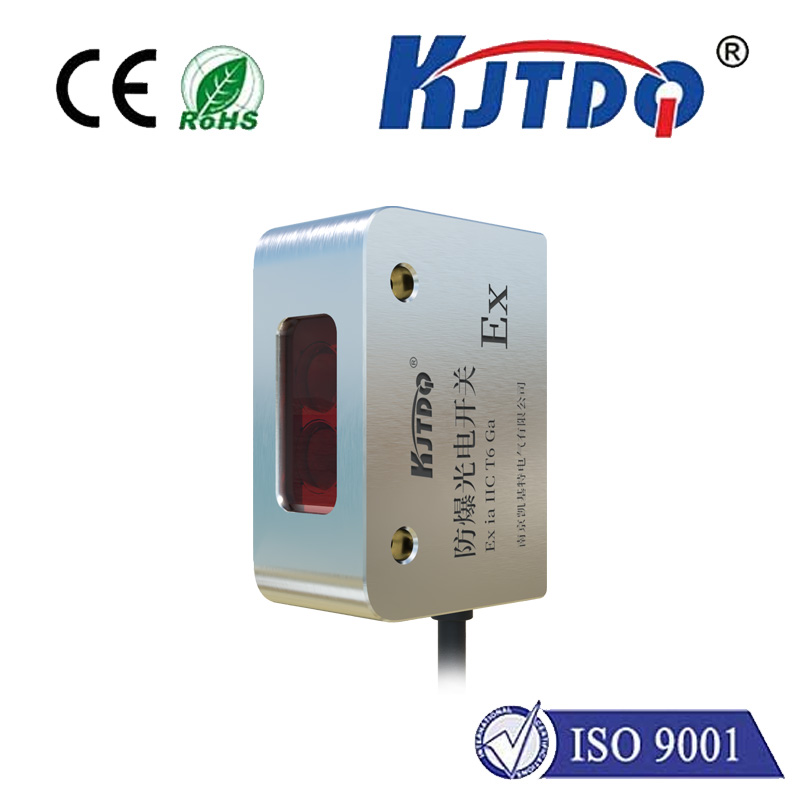
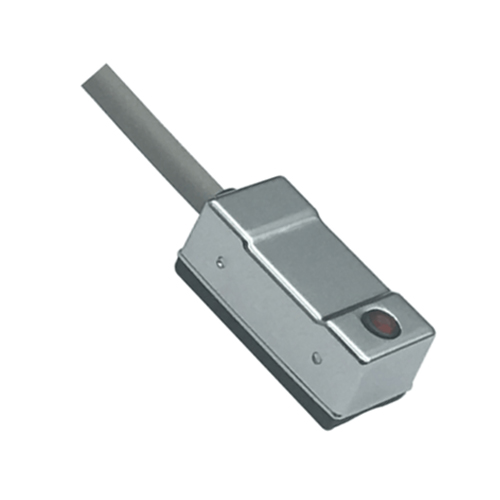
At its core, the HG-C1200-P is a high-performance, diffuse-reflective laser sensor. Unlike through-beam sensors that require separate emitter and receiver units, this model integrates both into a single, compact housing. This design simplifies installation and alignment, making it ideal for space-constrained applications. The "P" in its designation often signifies a particular feature set, such as enhanced programmability or a specialized output, tailored for complex industrial environments. Its key advantage lies in its use of a visible red laser beam. This visible spot allows for incredibly easy and precise targeting, enabling operators to set up and adjust the sensor with confidence, ensuring the beam is exactly where it needs to be.
The operational principle is sophisticated yet robust. The sensor emits a focused laser beam towards the target object. The object diffusely reflects a portion of this light back to the sensor's receiver. The onboard microprocessor then analyzes the intensity of this returned light. By comparing it to a pre-set threshold, the sensor makes a definitive detection decision. This method provides exceptional performance for detecting small objects, discerning subtle color differences, or sensing materials with low reflectivity, tasks where standard sensors often struggle.
The applications for the HG-C1200-P are vast and varied across multiple industries. In electronics manufacturing, it is indispensable for verifying the presence of tiny components on circuit boards, such as microchips or capacitors, ensuring no step in the assembly process is missed. Within the packaging sector, it reliably detects transparent films, clear bottles, or labels on high-speed production lines, guaranteeing product integrity and correct labeling. Automotive assembly lines utilize its precision for tasks like part presence verification, robot guidance, and gap measurement with micron-level accuracy. Furthermore, in logistics and material handling, it ensures precise counting, positioning, and sorting of items on conveyors, optimizing warehouse automation.
Several technical specifications make the HG-C1200-P a standout choice. It typically offers a long sensing range, which provides flexibility in mounting and application design. The response time is exceptionally fast, in the millisecond range, allowing it to keep pace with the highest-speed production machinery without missing a beat. Its high resolution enables the detection of minute objects or edges. Many models feature adjustable sensitivity via a potentiometer or teach-in function, allowing fine-tuning for specific target materials and environmental conditions. Output options commonly include both NPN and PNP transistor configurations (sourcing or sinking), ensuring compatibility with virtually any Programmable Logic Controller (PLC) or control system. Robust housing with high IP ratings (e.g., IP67) ensures reliable operation despite exposure to dust, oil, and water spray commonly found in industrial settings.
Selecting and implementing the HG-C1200-P requires careful consideration. The primary step is to define the specific object to be detected—its size, color, material, and surface texture. The sensor must be chosen with a sensing distance that accommodates the required mounting position. Environmental factors like ambient light, temperature extremes, and potential contaminants must also be evaluated. During installation, precise alignment is crucial. Using the visible laser spot, operators can accurately aim the sensor. The sensitivity should then be adjusted using the provided controls to ensure stable detection of the target while effectively ignoring background interference. Regular maintenance involves keeping the lens clean from dust or debris and periodically verifying performance to ensure long-term, drift-free operation.
When compared to other sensor types, the HG-C1200-P's benefits become clear. Against standard diffuse photoelectric sensors, the laser model provides a smaller, more precise spot size, longer range, and superior ability to detect dark or low-reflectivity objects. Compared to ultrasonic sensors, it is not affected by air temperature, wind, or the texture of soft materials, offering much higher precision for small object detection. Its visible beam also provides a distinct setup advantage over infrared sensors.
In conclusion, the HG-C1200-P laser sensor is more than just a component; it is a cornerstone of modern precision automation. By delivering exact, reliable, and fast detection capabilities, it enhances quality control, boosts production efficiency, and minimizes costly errors and downtime. For engineers and system integrators seeking a robust solution for challenging detection scenarios, understanding and utilizing the HG-C1200-P is a strategic step towards building more intelligent, responsive, and efficient automated systems. Its role in advancing industrial productivity and ensuring consistent, high-quality output continues to be indispensable.