check

check

check

check

check

check
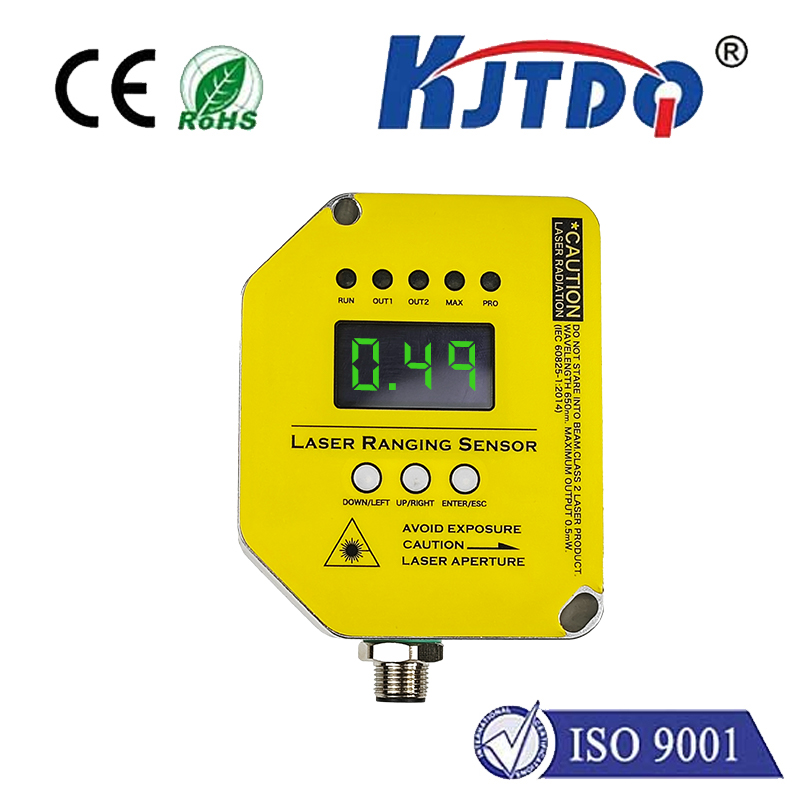
In the rapidly evolving landscape of industrial automation, the demand for reliable and precise measurement solutions has never been higher. Among the array of technologies available, laser sensors stand out for their accuracy, speed, and versatility. The OID251 laser sensor, in particular, has emerged as a key player in this domain, offering robust performance across diverse applications. This article delves into the features, benefits, and real-world uses of the OID251, highlighting why it is a preferred choice for engineers and manufacturers seeking to enhance operational efficiency.
The OID251 laser sensor is designed to deliver high-precision measurements in challenging industrial environments. Utilizing advanced laser triangulation technology, it can detect objects with micron-level accuracy, even in conditions with varying surface textures or colors. This makes it ideal for tasks such as distance measurement, thickness gauging, and position detection. Its compact and durable housing ensures resistance to dust, moisture, and vibrations, allowing for consistent performance in settings like automotive assembly lines, packaging facilities, and robotics.
One of the standout features of the OID251 is its ease of integration. With user-friendly interfaces and compatibility with common industrial protocols, such as IO-Link or analog outputs, it can be seamlessly incorporated into existing systems without extensive reconfiguration. This reduces downtime and simplifies maintenance, enabling businesses to scale their automation efforts efficiently. Additionally, the sensor's fast response time—often in the millisecond range—supports high-speed production lines, where even minor delays can impact throughput.
Beyond technical specifications, the OID251 laser sensor contributes to cost savings and quality improvement. By providing accurate data in real-time, it helps minimize material waste, reduce error rates, and ensure product consistency. For instance, in the electronics industry, it can verify component placement on circuit boards, while in logistics, it can assist with sorting and inventory management. These applications underscore its role in driving smarter, more responsive manufacturing processes.
Looking ahead, the integration of laser sensors like the OID251 with emerging technologies such as the Internet of Things (IoT) and artificial intelligence (AI) promises even greater advancements. By enabling predictive maintenance and data-driven decision-making, these sensors are poised to become integral to the factories of the future. For companies aiming to stay competitive, investing in reliable measurement tools is not just an option but a necessity.
In summary, the OID251 laser sensor exemplifies innovation in industrial measurement, combining precision, durability, and adaptability. Whether for routine inspections or complex automation tasks, it offers a solution that meets the rigorous demands of modern industry. As automation continues to expand, tools like the OID251 will play a crucial role in shaping efficient and sustainable production ecosystems.