check

check

check

check

check

check
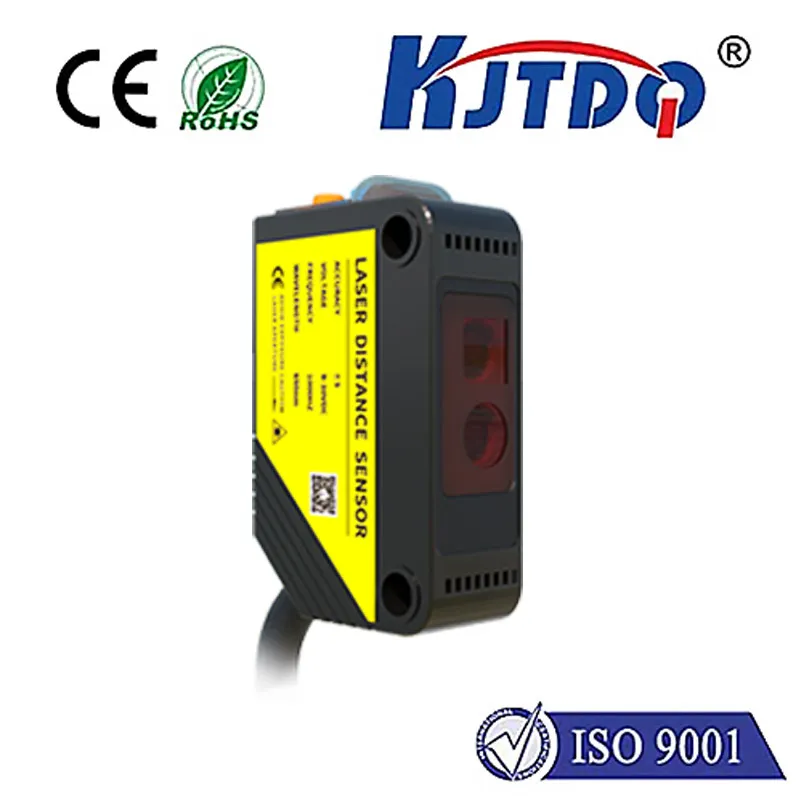
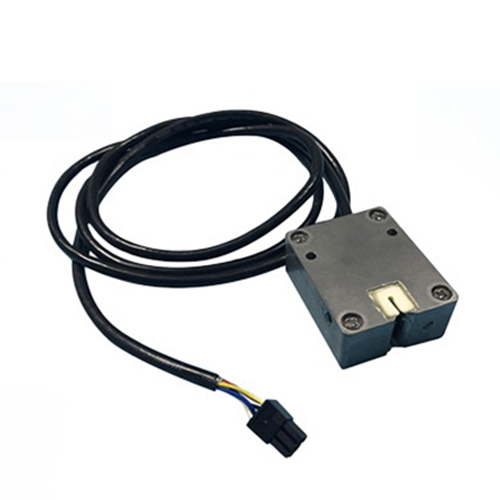
In the rapidly evolving landscape of industrial automation and measurement technology, the demand for reliable, high-precision sensors is paramount. The ZS-HL laser sensor emerges as a sophisticated solution, engineered to meet the rigorous demands of modern manufacturing, logistics, and quality control processes. Unlike conventional sensing methods, this advanced device utilizes a focused laser beam to deliver unparalleled accuracy in distance measurement, object detection, and positioning tasks.
The core technology behind the ZS-HL series lies in its utilization of laser triangulation or time-of-flight principles, depending on the specific model. This allows for non-contact measurement, which is critical for applications involving delicate, hot, or fast-moving objects. The sensor projects a visible or invisible laser spot onto a target surface. The reflected light is then captured by a high-resolution receiver within the sensor. By analyzing the position or the time delay of the reflected beam, the ZS-HL calculates the exact distance to the object with micron-level precision. This method eliminates mechanical wear and tear, ensuring long-term stability and reducing maintenance costs.
One of the standout features of the ZS-HL laser sensor is its exceptional performance in challenging environments. Designed with robust housing, it often boasts high ingress protection ratings, making it resistant to dust, water sprays, and oil mist commonly found in factory settings. Furthermore, advanced models incorporate algorithms to filter out ambient light interference, ensuring consistent and reliable readings even under bright factory lighting or varying surface colors and materials. This reliability translates directly to reduced downtime and fewer production errors.
The application scope for the ZS-HL sensor is remarkably broad. In automotive assembly lines, it is used for precise gap and flush measurement between body panels. In electronics manufacturing, it ensures components are placed correctly on circuit boards. Within packaging machinery, it monitors fill levels, checks for label presence, and controls the stacking height of products. In logistics and warehousing, these sensors facilitate automated guided vehicle navigation and pallet dimensioning. The ability to provide real-time, analog, or digital output signals allows for seamless integration with Programmable Logic Controllers, robotics, and data acquisition systems.
Ease of integration and user-friendliness are also key design priorities. Many ZS-HL sensors come with intuitive teach-in functions, allowing operators to quickly set measurement windows and thresholds via a button or remote interface. Configurable output modes, such as NPN/PNP switching or 4-20mA analog signals, provide flexibility for different control architectures. The compact form factor of these sensors enables installation in space-constrained locations, expanding their utility across diverse machinery.
Looking toward the future, the integration of Industry 4.0 and IoT capabilities is becoming increasingly common. Newer iterations of the ZS-HL laser sensor may include features like IO-Link communication. This smart sensor protocol not only transmits measurement values but also enables remote parameter configuration, continuous condition monitoring, and predictive maintenance alerts. This data-rich environment empowers plant managers to optimize processes, anticipate equipment needs, and enhance overall operational intelligence.
In conclusion, the ZS-HL laser sensor represents a critical component in the drive toward smarter, more efficient, and more flexible industrial operations. By delivering non-contact, high-speed, and precise measurement, it solves complex application challenges that other sensors cannot address. Its robustness, versatility, and growing connectivity options make it an indispensable tool for engineers and system integrators aiming to improve product quality, increase throughput, and reduce waste. As automation continues to advance, the role of such precise sensing technology will only become more central to achieving manufacturing excellence and operational agility.