check

check

check

check

check

check
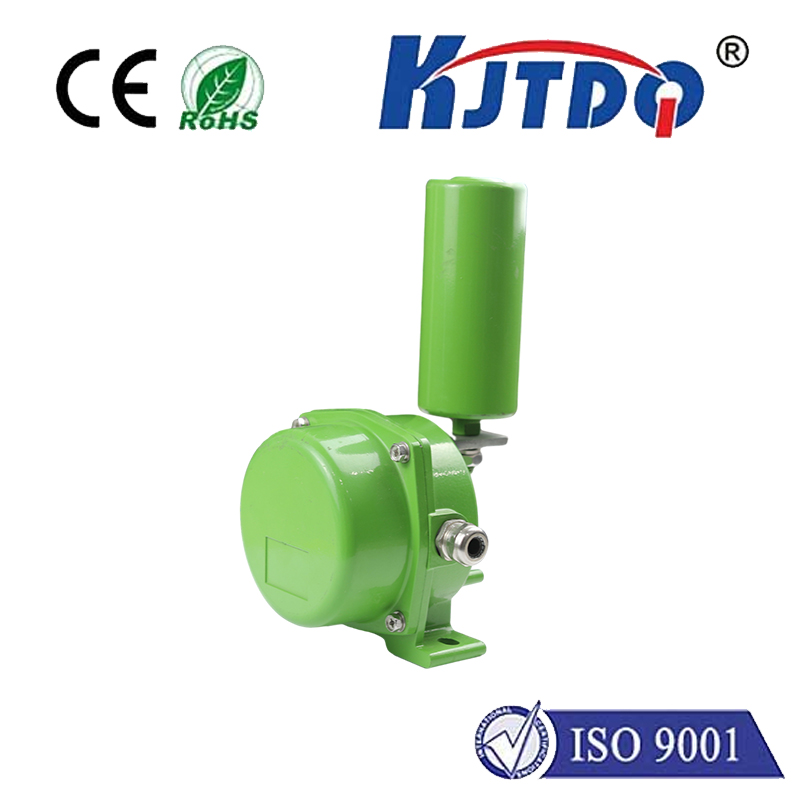
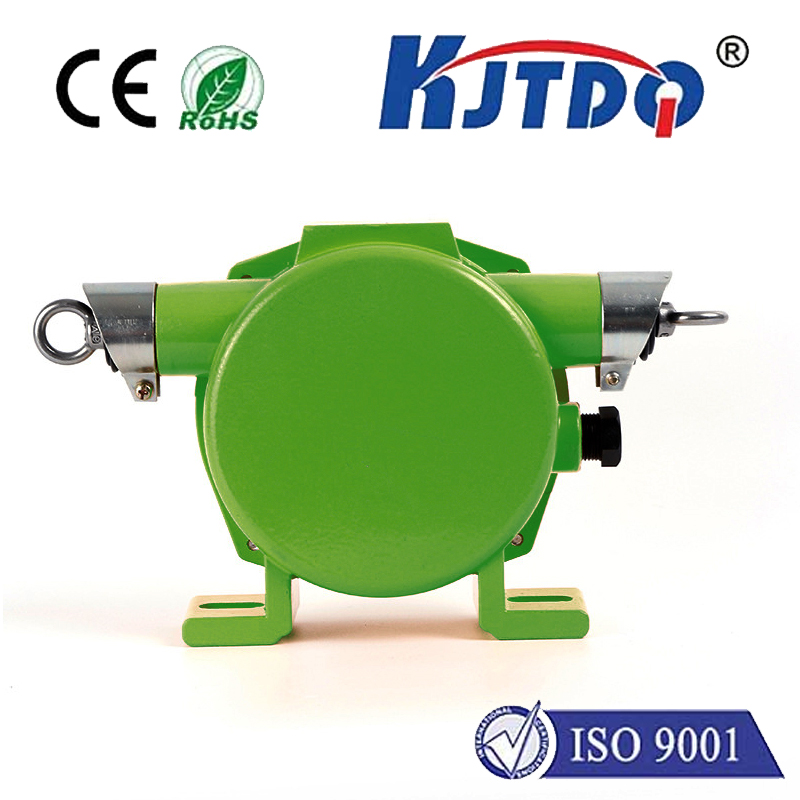
In the demanding environment of industrial facilities, safety is not just a priority; it is an absolute necessity. Among the myriad of safety components, the emergency stop switch stands as a critical line of defense. The WLK-R22/WS Pull Cord Switch, a robust and reliable safety device, exemplifies this role, designed to provide immediate shutdown capabilities for conveyor belts and other long machinery in case of an emergency along their entire length.
The core function of the WLK-R22/WS is straightforward yet vital. It is a manually operated safety switch installed along the side of a conveyor belt or similar equipment. In the event of an emergency, such as a material jam, equipment entanglement, or any hazardous situation for personnel, an operator can pull the cord running parallel to the machinery. This action instantly activates the switch, sending a stop signal to the motor control circuit, which halts the equipment promptly. This "pull-to-stop" mechanism provides a fast and accessible means of intervention from any point along the operational line, significantly enhancing operator safety and preventing potential damage to the machinery or product.
Engineered for durability, the WLK-R22/WS is built to withstand harsh industrial conditions. Its housing is typically constructed from robust materials like die-cast aluminum or reinforced plastic, offering resistance to dust, moisture, and mechanical impact. The internal switching mechanism is designed for high reliability and a long operational life, often featuring a positive break action to ensure a fail-safe operation. Many models come with a clearly visible status indicator, showing whether the switch is in the normal "run" position or has been activated to the "stop" position, aiding in quick system diagnostics and reset procedures.
Installation and integration are key considerations. The switch is usually mounted on a fixed bracket alongside the conveyor frame. A steel wire rope or a durable nylon cord is then threaded through the switch's actuation arm and anchored at both ends of the conveyor run. The tension is carefully adjusted to ensure sensitive and consistent activation across the entire length. It is crucial to integrate the switch correctly into the machine's safety control system, typically in series with other emergency stops, to form a comprehensive safety circuit that meets relevant international standards like ISO 13850.
Regular testing and maintenance are imperative to ensure the WLK-R22/WS functions correctly when needed. A routine check should involve a deliberate pull of the cord to verify that it cleanly breaks the circuit and stops the associated drive. The cord's condition, tension, and anchor points should be inspected for wear, corrosion, or damage. The switch housing should be kept clean from excessive material buildup that could impede its operation. Adhering to a scheduled maintenance plan guarantees that this safety device remains in optimal working order, ready to perform its life-saving function.
Beyond basic emergency stopping, advanced versions or system integrations can offer additional features. Some switches may include a locking mechanism that requires a manual reset at the switch location after activation, preventing an accidental or remote restart before the hazard is cleared. Others might provide dual-channel outputs for connection to sophisticated safety relays or PLCs (Programmable Logic Controllers), enabling more complex safety system architectures and diagnostics. Choosing the right configuration depends on the specific risk assessment and safety performance level required for the application.
The WLK-R22/WS Pull Cord Switch finds its application across various industries where long material handling systems are present. This includes mining operations for coal and minerals, aggregate and cement plants, power generation facilities handling bulk fuel, port and shipping terminals for cargo conveyors, and extensive packaging or production lines. Any environment where personnel work near moving machinery that extends over a distance can benefit from the immediate and accessible safety intervention this device provides.
Selecting the appropriate pull cord switch involves evaluating several factors. These include the required safety integrity level, the environmental conditions (temperature, presence of explosive dust or gases requiring ATEX certification), the length and speed of the conveyor, the mechanical force needed for activation, and the electrical specifications of the control circuit. Consulting with safety engineers and referring to machinery safety standards is essential for proper selection and compliance.
In conclusion, the WLK-R22/WS Pull Cord Switch is more than just a component; it is a fundamental pillar of operational safety for linear machinery systems. Its simple, robust design delivers a critical emergency stop function that protects both human operators and valuable equipment. By ensuring correct installation, integration, and consistent maintenance, facility managers can uphold the highest safety standards, fostering a secure and productive industrial workplace. Investing in reliable safety devices like the WLK-R22/WS is an investment in uninterrupted operations and, most importantly, in human well-being.