check

check

check

check

check

check
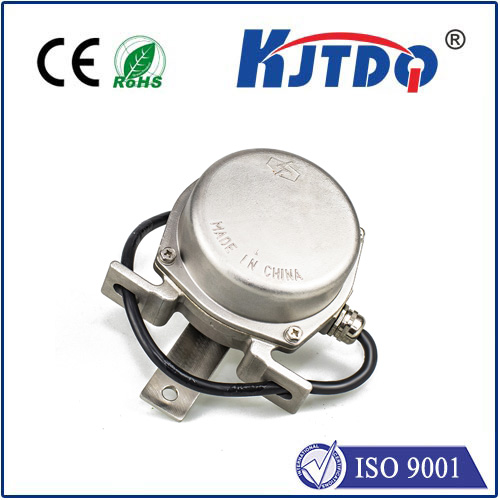
In the demanding world of industrial automation and material handling, safety and operational continuity are paramount. The ZS731O/1SV Pull Cord Switch stands as a critical component in this ecosystem, designed to provide an immediate and reliable emergency stop function for conveyor belt systems. This device is not merely an accessory but a fundamental safety sentinel, engineered to protect personnel, prevent equipment damage, and minimize costly downtime.
The operational principle of the ZS731O/1SV is elegantly straightforward yet highly effective. Installed along the length of a conveyor, typically on both sides, it features a prominently accessible pull cord. In the event of an emergency—such as a worker entanglement, material spillage, or a detected system fault—any personnel can quickly pull this cord. This action mechanically actuates the switch, instantly sending a stop signal to the conveyor's motor control circuit. This failsafe intervention halts the entire system, preventing potential injuries or further damage. The design often includes a manual reset mechanism, requiring deliberate operator action to restart, thereby preventing accidental re-engagement and ensuring the emergency situation is fully resolved.
What sets the ZS731O/1SV apart in a crowded market are its robust construction features tailored for harsh industrial environments. The housing is typically built from heavy-duty, corrosion-resistant materials like die-cast aluminum or reinforced plastics, offering protection against dust, moisture, and mechanical impact. Internally, the switch mechanism is designed for high reliability and a long mechanical life, often featuring gold-plated contacts or a precise micro-switch to ensure a clean electrical signal every time. Many models are certified to international safety standards, providing assurance of their performance under rigorous conditions. The bright, highly visible actuator cord and often accompanying warning labels ensure the switch is easily locatable in an emergency, a crucial factor when seconds count.
The applications for the ZS731O/1SV Pull Cord Switch extend across numerous industries. In mining and quarrying, it safeguards long-distance conveyor belts transporting raw materials. In packaging and distribution warehouses, it protects workers on fast-moving sorting lines. Power plants utilize these switches on coal or biomass feed conveyors, while aggregate and cement plants rely on them for handling bulk materials. Anywhere a conveyor belt operates, especially in areas where personnel are present, this safety switch is an indispensable requirement, often mandated by occupational health and safety regulations.
Selecting the right pull cord switch involves several key considerations. The environmental rating is crucial; look for an IP (Ingress Protection) rating suitable for the location, whether it's dusty, wet, or potentially explosive (requiring ATEX or similar certification). The mechanical configuration, such as the pull force required and the reset type (manual, key-operated, or automatic), must align with operational safety protocols. Electrical specifications, including the switching capacity, voltage, and contact configuration (normally open or closed), must be compatible with the existing control system. Proper installation at regular intervals, as per the conveyor's length and risk assessment, and a routine inspection and testing schedule are non-negotiable for maintaining its reliability.
Ultimately, the ZS731O/1SV Pull Cord Switch represents a vital investment in workplace safety and operational integrity. It functions as a simple, direct, and highly reliable link between human intervention and machine control. By enabling an immediate response to emergencies, it not only fulfills regulatory compliance but also fosters a culture of safety, protecting valuable assets and, most importantly, human lives. In the complex network of industrial machinery, it remains one of the most effective and essential safety devices, a testament to the principle that the best safety systems are often those that are simple to understand and use.