check

check

check

check

check

check
In the dynamic and demanding world of industrial automation and material handling, safety is not just a priority; it is the foundation of all operations. Among the myriad of safety devices that protect personnel and equipment, the humble yet critical pull cord switch stands as a first line of defense. The JHSSL-XLS-100 Pull Cord Switch emerges as a premier solution in this category, engineered to deliver reliable emergency stopping for conveyor belts and similar machinery. Its design and functionality address the core need for immediate system halting in case of an emergency, such as a worker entanglement, material spillage, or equipment malfunction.
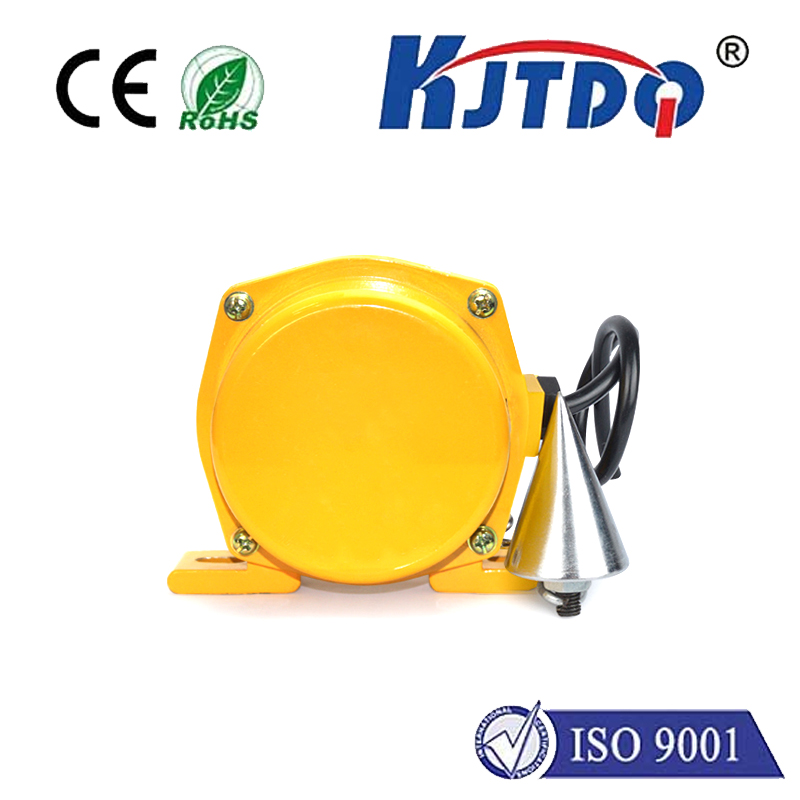
The JHSSL-XLS-100 is specifically designed for longitudinal installation along the conveyor line. It features a robust, weather-resistant enclosure, typically constructed from durable materials like die-cast aluminum or reinforced polycarbonate, ensuring longevity even in harsh industrial environments—be it dusty mining sites, damp processing plants, or outdoor logistics yards. The operational principle is straightforward yet fail-safe: a steel wire rope, the "pull cord," runs parallel to the conveyor and is anchored at both ends to the switch mechanism. At any point along the conveyor's length, an operator can pull this cord to actuate the switch.
This action directly triggers a change in the internal switching state. The JHSSL-XLS-100 is commonly equipped with a high-precision, snap-action switch mechanism, often providing both normally open (NO) and normally closed (NC) contact configurations. This immediate electrical signal is transmitted directly to the conveyor's motor control circuit, commanding an instantaneous stop. The key to its effectiveness lies in its high mechanical reliability and direct, uncomplicated activation method, which requires minimal training and can be executed under stress.
Beyond the basic emergency function, advanced models like the JHSSL-XLS-100 incorporate features that enhance safety and maintenance. A prominent visual indicator, such as a brightly colored flag or an LED, provides clear status visibility from a distance, showing whether the switch has been activated. Crucially, the switch is designed with a manual reset mechanism. After an emergency stop, the system cannot be restarted simply by releasing the cord; a responsible personnel must physically go to the switch location, inspect the cause of the stop, and manually reset it. This lock-out/tag-out feature prevents accidental or unauthorized restarts, enforcing proper safety protocols.
Installation and integration are streamlined for efficiency. The JHSSL-XLS-100 is designed for easy mounting on conveyor support structures. Its wiring terminals are accessible and clearly marked, simplifying connection to the control system. For longer conveyor belts, multiple pull cord switches can be installed in series, creating a continuous emergency stop line along the entire run. Regular testing, as simple as pulling the cord at scheduled intervals, is vital to ensure the switch and the entire safety circuit remain operational.
The applications for the JHSSL-XLS-100 are extensive across industries. It is indispensable in mining for belt conveyors transporting coal or ore, in aggregate plants for moving stone and sand, in packaging and bottling lines, in airport baggage handling systems, and in any facility where powered conveyors are present. Its role is to mitigate risks, protect human life, and prevent costly damage to machinery and product lines.
Choosing a pull cord switch like the JHSSL-XLS-100 involves considering several factors: the required protection level (IP rating) for the environment, the mechanical lifespan (number of operations), the electrical rating of the contacts to handle the control circuit load, and compliance with relevant international safety standards. A reliable switch from a reputable manufacturer is an investment in operational integrity and corporate responsibility.
In conclusion, the JHSSL-XLS-100 Pull Cord Switch transcends being a mere component; it is an essential safety guardian. By providing a simple, immediate, and highly visible means to stop machinery in an emergency, it embodies the principle that the safest systems are those where human intervention is direct and unequivocal. For engineers, facility managers, and safety officers, integrating such a robust and reliable device is a critical step in fostering a culture of safety and ensuring the smooth, secure operation of material handling infrastructure.