check

check

check

check

check

check
In the demanding environment of industrial operations, where heavy machinery and conveyor systems are in constant motion, the paramount concern is always the safety of personnel. Emergency stop mechanisms are not just regulatory requirements; they are critical lifelines. Among these vital safety components, the pull cord switch stands out for its simplicity, reliability, and immediate effectiveness. The XCMN2103L1 model represents a sophisticated evolution in this essential category, designed to meet the rigorous demands of modern manufacturing, mining, and material handling facilities.
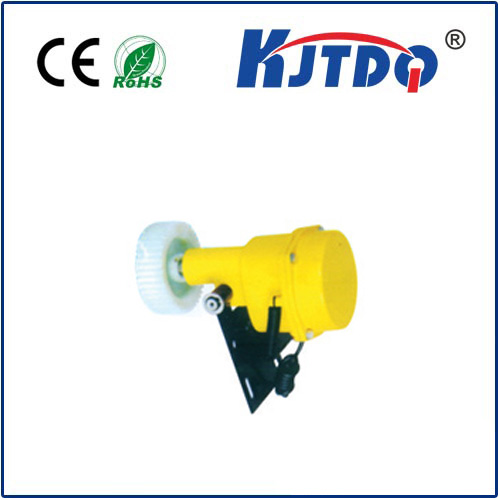
The core function of a pull cord switch, such as the XCMN2103L1, is straightforward: to provide a readily accessible means for an operator to halt machinery in the event of an emergency, anywhere along the length of a production line. Unlike fixed-position emergency buttons, the pull cord runs parallel to the conveyor or machine, allowing personnel to activate the stop command from any point by simply pulling the cord. This "rope-operated emergency switch" ensures that response time is minimized, potentially preventing equipment damage, production downtime, and, most importantly, personal injury.
The design and construction of the XCMN2103L1 focus on durability and fail-safe operation. Housed in a robust, often IP67-rated enclosure, it is built to withstand harsh conditions including dust, moisture, vibration, and extreme temperatures. Internally, it features a precise switching mechanism that triggers upon a defined pull force or displacement of the cord. This action typically opens a safety circuit, sending a signal directly to the machinery's control system to initiate an immediate and controlled shutdown. Many models, including advanced versions like the XCMN2103L1, offer a manual reset function. After activation, the switch must be physically reset on-site, ensuring the cause of the emergency is addressed before operations can recommence, thereby enforcing a crucial safety protocol.
Installation and integration are key considerations. The XCMN2103L1 pull cord switch is designed for seamless integration into both new and existing safety systems. It is strategically mounted along the conveyor frame or machine perimeter. The steel cable or cord is then tensioned and run through a series of guide brackets, creating a continuous emergency stop line. Proper tensioning is critical; it must be sufficient for reliable activation but within specified limits to prevent false triggers. The electrical connections are integrated into the plant's safety relay or programmable logic controller (PLC) network, forming a dedicated and monitored safety loop.
The applications for the XCMN2103L1 are extensive across heavy industry. In mining and quarrying, they are installed on long conveyor belts transporting bulk materials, offering protection against blockages, belt misalignment, or worker entrapment. In packaging and bottling plants, they secure automated lines where rapid intervention is necessary. At airports, they safeguard baggage handling systems. Anywhere lengthy, automated equipment operates with human presence nearby, a pull cord switch serves as a fundamental protective barrier.
Selecting the right pull cord switch involves several technical specifications. The XCMN2103L1's ratings for voltage, current, and switching capacity must match the control circuit requirements. The mechanical specifications, such as pull force, reset type (manual or automatic), and enclosure material (metal or high-grade polymer), are chosen based on the operational environment. Compliance with international safety standards like IEC 60947-5-1 or ISO 13850 is non-negotiable, certifying that the device meets stringent performance and safety benchmarks.
Beyond mere compliance, implementing a device like the XCMN2103L1 is a cornerstone of a proactive safety culture. It empowers every worker on the floor, regardless of their specific role, with the direct authority to stop dangerous situations. Regular testing and maintenance are imperative. This includes visual inspections for cord integrity, checking for proper tension, verifying the switch's mechanical action, and ensuring the electrical stop signal is correctly processed by the control system. A well-maintained pull cord switch is a reliable sentinel.
In conclusion, in the complex ecosystem of industrial automation, safety devices must be both highly effective and exceptionally robust. The XCMN2103L1 pull cord switch embodies these principles. It transforms a simple mechanical action—pulling a cord—into a powerful, instantaneous command that overrides complex machinery. It is an unassuming yet critical component that bridges the gap between human operators and automated systems, ensuring that safety remains within arm's reach. For engineers and safety managers aiming to fortify their plant's emergency response capabilities, specifying and maintaining a high-quality pull cord system like the XCMN2103L1 is not just an operational decision; it is an unequivocal commitment to workplace safety.