check

check

check

check

check

check
In the demanding world of industrial automation and material handling, safety is not just a priority; it is an absolute necessity. Among the myriad of safety devices designed to protect personnel and equipment, the pull cord switch stands as a critical line of defense. Specifically, the ZS 7110/1SVD pull cord switch emerges as a robust and reliable solution, engineered to meet the rigorous demands of modern conveyor systems, mining operations, and processing plants. This device exemplifies how precision engineering can seamlessly integrate with operational safety protocols.
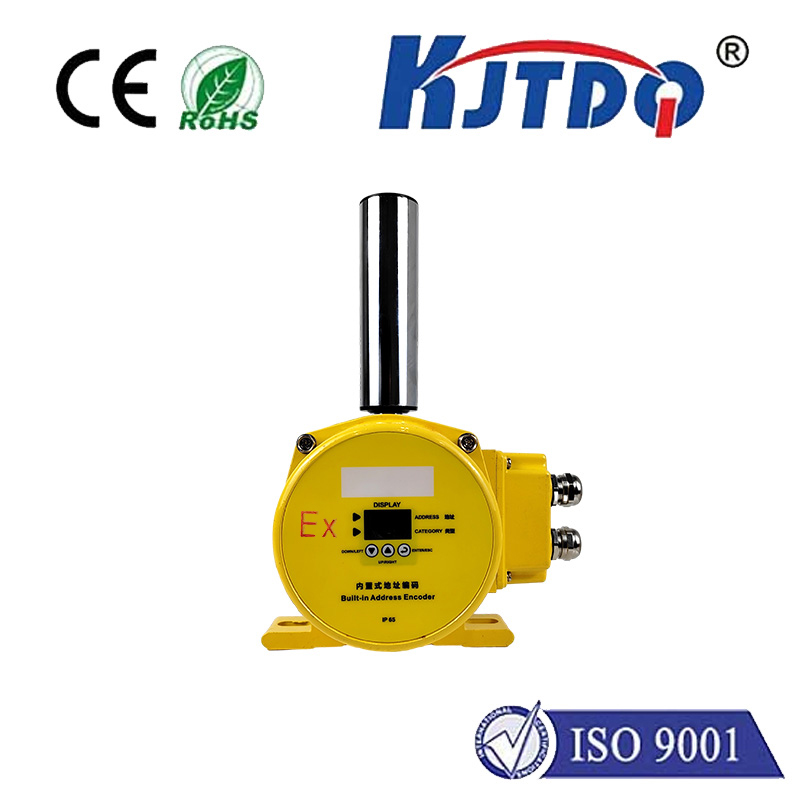
The primary function of the ZS 7110/1SVD is straightforward yet vital: to provide an immediate and accessible means to stop machinery in an emergency. Installed along the length of a conveyor belt, it features a prominently colored, easily reachable cable or cord. In the event of a hazard—such as a worker becoming entangled, a material spill, or equipment malfunction—any person can quickly pull this cord. This action triggers an internal mechanism within the switch, instantly cutting power to the conveyor drive motor and bringing the entire system to a halt. This "emergency stop" function is indispensable for preventing injuries, minimizing equipment damage, and avoiding costly production downtime.
What sets the ZS 7110/1SVD apart from standard pull cord switches is its advanced design and construction. The "1SVD" designation often indicates specific technical features, such as a high switching capacity, a durable enclosure with a robust protection rating (typically IP67 for dust and water resistance), and a reliable mechanical latch or key reset mechanism. This reset feature is crucial; after an emergency stop, the switch must be manually reset on-site, ensuring that the cause of the stoppage is investigated and resolved before operations can recommence. This prevents accidental or remote restarts that could endanger personnel.
The construction materials are chosen for longevity. The housing is usually made from high-grade die-cast aluminum or reinforced polyamide, offering excellent resistance to corrosion, impact, and extreme temperatures. The internal switching components are designed for millions of operations, ensuring consistent performance even in environments laden with dust, moisture, or vibration. Furthermore, many models like the ZS 7110/1SVD offer a dual-channel safety configuration. This means they have two independent sets of contacts (normally open and normally closed), allowing for integration into sophisticated safety circuits or monitoring systems that comply with international safety standards like ISO 13849-1.
Installation and maintenance are streamlined for efficiency. The switch is typically mounted on the conveyor's support structure at regular intervals, ensuring the pull cord is always within arm's reach—a principle known as "string of pearls" placement. Wiring is straightforward, with clear terminal markings. For maintenance, the design often allows for easy access to internal components without complete disassembly, facilitating quick inspection and part replacement if necessary. Regular testing of the pull cord function is a simple yet vital part of any safety routine, and the robust design of the ZS 7110/1SVD supports this ongoing requirement.
The applications for the ZS 7110/1SVD pull cord switch are extensive. Beyond standard belt conveyors in warehouses and distribution centers, it is a fundamental safety component in heavy industries. In mining, it safeguards long-distance overland conveyors transporting coal or ore. In aggregate processing plants, it protects workers near crushers and sorting screens. In airport baggage handling systems, it ensures passenger safety and system integrity. Anywhere a continuous or long-piece conveying system operates, this device provides a fail-safe, human-activated emergency stop.
Choosing the right safety component can have profound implications for operational integrity and regulatory compliance. The ZS 7110/1SVD pull cord switch represents a commitment to creating a safer working environment. It translates the simple, physical action of a pull into an immediate and decisive electronic command, bridging the gap between human response and machine control. By investing in such certified and well-engineered safety devices, facility managers and engineers not only protect their most valuable asset—their workforce—but also enhance overall system reliability and productivity. In the complex ecosystem of industrial machinery, the humble pull cord switch remains an unequivocal guardian of safety.