check

check

check

check

check

check
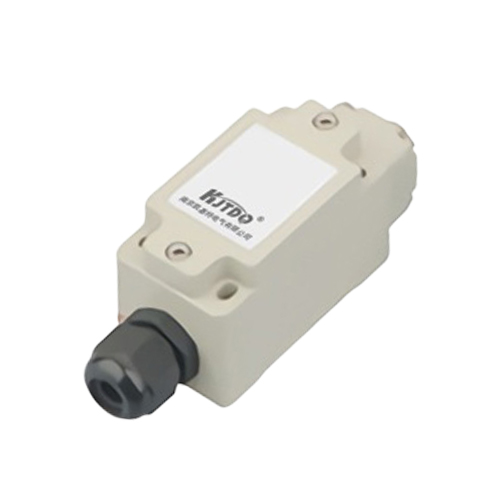
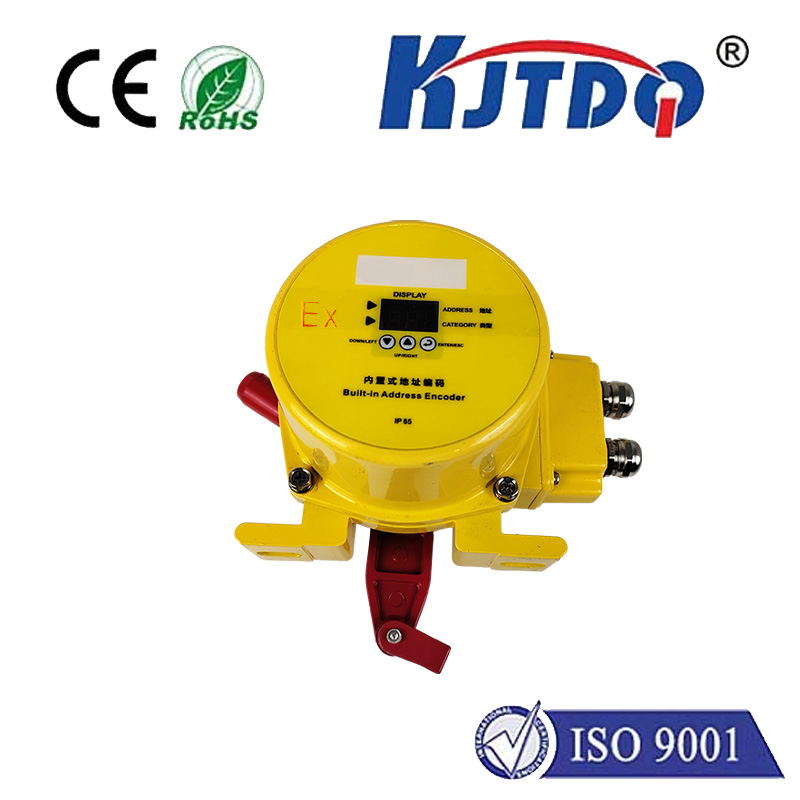
In industrial and commercial settings where machinery and equipment are integral to daily operations, safety and control mechanisms are paramount. Among these critical components, the pull cord switch stands out as a vital safety device designed to halt equipment quickly in emergencies. The WLNJ-THPull Cord Switch represents a specific model engineered for reliability and durability in demanding environments. This article delves into the functionality, applications, and key considerations for implementing this essential safety switch.
A pull cord switch, often referred to as an emergency stop or rope pull switch, is a manually operated safety device installed along the length of a conveyor belt or similar machinery. Its primary purpose is to allow an operator to stop the equipment immediately from any point along its run by pulling a suspended cord. The WLNJ-THP model is designed to meet rigorous industrial standards, featuring a robust construction that can withstand harsh conditions, including dust, moisture, and temperature variations. Its mechanism typically involves a switch that is normally closed during operation; when the cord is pulled, it actuates the switch to an open position, breaking the electrical circuit and triggering an immediate shutdown of the connected machinery. This rapid response is crucial for preventing accidents, minimizing damage, and protecting personnel from potential hazards such as entanglement, material spillage, or equipment malfunction.
The applications of the WLNJ-THPull Cord Switch are extensive across various industries. In material handling and logistics, it is commonly used on conveyor systems in warehouses, distribution centers, and manufacturing plants. Here, it ensures that workers can quickly stop conveyors if they observe a jam, a person in danger, or a product defect. In the mining and aggregate sectors, these switches are deployed on long conveyor belts transporting bulk materials, providing a lifeline for operators working in remote or hazardous sections. Additionally, industries like packaging, food processing, and automotive assembly rely on pull cord switches to maintain safety protocols around automated lines. The WLNJ-TH variant is particularly noted for its high mechanical life and precise actuation, making it suitable for heavy-duty cycles where frequent use is expected. Its design often includes features like a lockable reset mechanism, which prevents unauthorized or accidental restart, and visual indicators to show the switch status, enhancing overall operational safety.
When selecting and installing a WLNJ-THPull Cord Switch, several factors must be considered to ensure optimal performance. First, assess the environmental conditions: the switch should have an appropriate ingress protection (IP) rating to resist dust and water ingress, especially in outdoor or washdown areas. The tensile strength of the pull cord and the switch's housing material—often stainless steel or rugged polymers—should match the physical demands of the site. Electrical ratings are another critical aspect; verify that the switch's voltage and current capacities align with the control circuit of the machinery. Proper installation is equally important: the switch should be mounted at accessible intervals along the equipment, typically every 20-30 meters, with the cord tensioned correctly to avoid sagging or false triggers. Regular maintenance, including testing the switch functionality and inspecting the cord for wear, is essential to uphold safety standards. Training personnel on the location and use of pull cord switches can further enhance emergency responsiveness.
In conclusion, the WLNJ-THPull Cord Switch is more than just a component; it is a fundamental safety investment for any operation involving conveyor systems or extended machinery. By enabling quick emergency stops, it helps safeguard workers, reduce downtime, and comply with occupational health and safety regulations. For facility managers and engineers, understanding its operation and maintenance is key to fostering a secure working environment. As technology advances, integrating such switches with automated monitoring systems could offer even greater safety insights, but the core principle remains: immediate manual override capability is indispensable. Prioritizing reliable safety devices like the WLNJ-TH model ensures that operations run not only efficiently but also with the highest regard for human well-being.