check

check

check

check

check

check
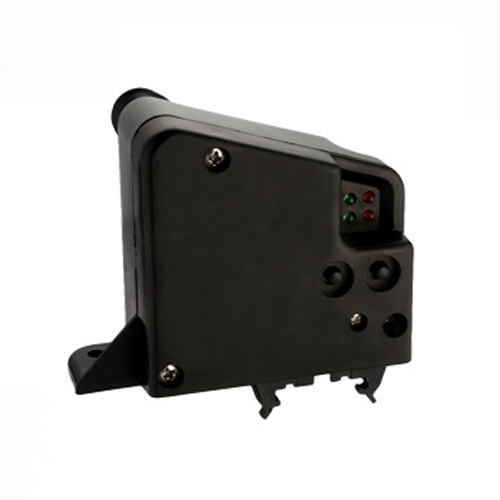
In industrial environments where conveyor belts are the lifeline of material handling, operational safety is non-negotiable. The TEF200-BFPQ1 Pull Cord Switch, often referred to as an emergency stop switch or rope pull switch, stands as a critical sentinel in these settings. This robust safety device is engineered to provide an immediate and reliable means to halt conveyor operation in the event of an emergency, such as a worker entanglement, material spillage, or equipment malfunction. Its primary function is simple yet vital: when the pull cord is activated, it sends a stop signal to the conveyor's control system, ceasing all motion to prevent injury and damage.
The design and construction of the TEF200-BFPQ1 prioritize durability and fail-safe operation. Housed in a sturdy, often IP67-rated enclosure, it is built to withstand harsh industrial conditions including dust, moisture, and vibration. The unit is typically installed at regular intervals along both sides of a conveyor belt, ensuring the pull cord is within easy and immediate reach of personnel anywhere along the line. The switch mechanism itself is designed for high reliability, often featuring a direct-opening action (positive break contacts) that meets stringent safety standards. This ensures that the safety circuit is physically broken upon activation, providing a guaranteed stop command independent of the control logic.
Installation and integration of the TEF200-BFPQ1 into a conveyor safety system are straightforward but require careful planning. The pull cord must be installed at a consistent height and tension, allowing for smooth operation along the entire length of the conveyor. It is wired into the conveyor's emergency stop safety circuit, usually in series with other safety devices like belt sway switches or emergency stop buttons. Regular testing and maintenance are paramount. Personnel should be trained to perform routine functional tests, checking that pulling the cord from any point results in an immediate system shutdown and that the switch can only be reset manually at the switch location after the issue is resolved. This manual reset feature is crucial as it prevents automatic restart, forcing a physical inspection before operations resume.
The advantages of implementing a reliable pull cord switch system like the TEF200-BFPQ1 extend beyond basic compliance. It significantly enhances workplace safety culture by providing workers with a tangible and accessible emergency control. This can reduce the severity of incidents and potentially save lives. Furthermore, by enabling a quick response to jams or misalignment, it can prevent cascading equipment damage, reducing downtime and costly repairs. For facility managers and safety officers, choosing a certified and well-proven model ensures alignment with international safety regulations (like ISO 13850, relating to emergency stop functions) and provides peace of mind.
When selecting a pull cord switch for a conveyor application, specifications such as the switching capacity, contact configuration (normally closed/open), enclosure rating, mechanical life, and operating temperature range must be carefully matched to the operational environment. The TEF200-BFPQ1 model is designed to meet these rigorous demands. In conclusion, in the high-stakes world of industrial conveying, the pull cord switch is not merely an accessory but a fundamental component of a responsible safety strategy. The TEF200-BFPQ1 exemplifies this role, offering a robust, dependable, and potentially life-saving intervention point that keeps both personnel and productivity protected.