check

check

check

check

check

check
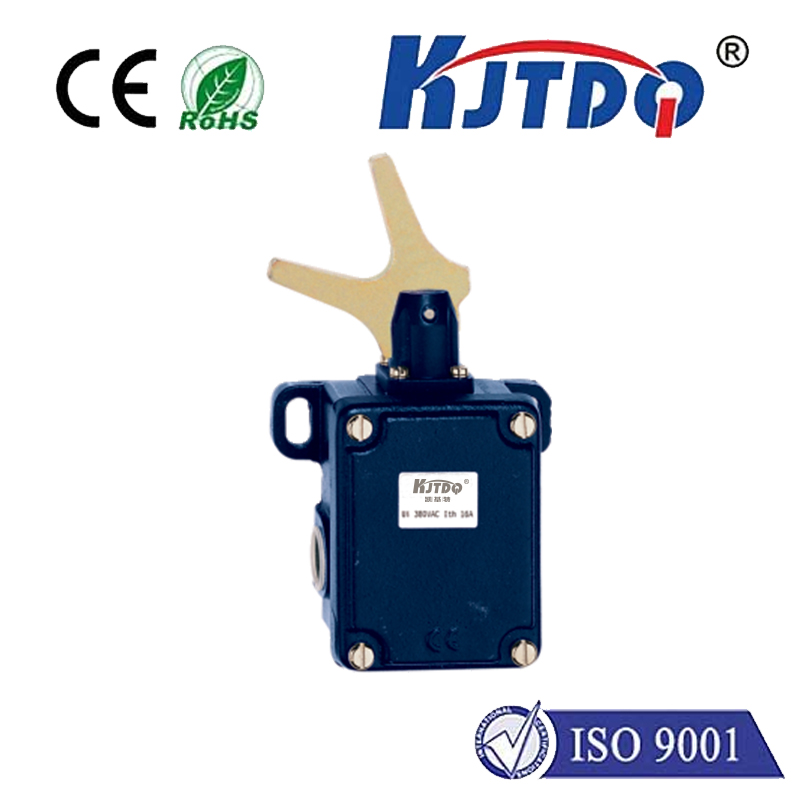
In the demanding environment of industrial operations, safety is not just a priority—it is an absolute necessity. The XL-SJ-IPull cord switch stands as a critical component in safeguarding personnel and equipment, offering a robust and immediate method to halt machinery in emergency situations. This essential safety device, often referred to as a rope pull switch or emergency stop switch, is engineered to provide a fail-safe mechanism along the length of a conveyor system or other extended machinery.
The core function of the XL-SJ-IPull cord switch is straightforward yet vital. It consists of a steel wire rope that runs parallel to the conveyor or machine. This rope is connected to a series of strategically placed switching units. In the event of an emergency, such as a worker becoming entangled, a material spill, or any other hazardous condition, any person along the line can quickly pull the cord. This action instantly activates the switch, sending a stop signal to the machinery's control system and bringing the entire operation to a halt. This immediate response capability is crucial for preventing injuries, minimizing equipment damage, and avoiding costly production downtime.
What sets the XL-SJ-I model apart in the market is its design focused on durability and reliability. Constructed with a heavy-duty, corrosion-resistant enclosure, it is built to withstand harsh industrial conditions, including exposure to dust, moisture, and extreme temperatures. The internal switching mechanism is precision-engineered for a long operational life, ensuring consistent performance even after thousands of actuations. Many models feature a dual-channel design with positively driven contacts, which meets high safety integrity levels by providing redundancy. This means the system can still function correctly even if one channel fails, a key requirement for safety-critical applications.
Installation and maintenance of the XL-SJ-IPull cord switch are designed for efficiency. The switch units are typically mounted at regular intervals along the machinery, and the pull rope is tensioned appropriately. A clear visual and mechanical indication, often a brightly colored flag or a distinct change in switch position, shows when the device has been activated. This allows for quick identification of the emergency stop location after an incident. Resetting the switch is a simple, intentional process—usually requiring a manual twist or pull at the activated unit—which prevents accidental restarts and ensures the situation is fully assessed before operations resume.
The applications for this safety device are extensive across numerous industries. It is indispensable in material handling sectors, including mining, quarrying, aggregate processing, and bulk shipping terminals, where long conveyor belts are prevalent. Manufacturing plants, packaging lines, and automotive assembly facilities also rely on pull cord switches to protect workers stationed along automated production lines. Furthermore, in sectors like wood processing or recycling, where the risk of jams or fires is higher, the instant stop function provided by the XL-SJ-I can be the difference between a minor incident and a major catastrophe.
Choosing the right safety switch requires careful consideration. The XL-SJ-IPull cord switch is available in various configurations to meet different standards and environmental needs, such as IP67 ratings for waterproof and dustproof operation. It is crucial to select a model with the appropriate safety certification for your region and industry. Integrating this switch into a comprehensive safety system, alongside guards, light curtains, and other emergency stops, creates a layered defense strategy, significantly enhancing overall workplace safety.
Ultimately, the implementation of a reliable safety device like the XL-SJ-IPull cord switch is a clear demonstration of a company's commitment to its most valuable asset: its people. It provides operators with a direct and immediate sense of control over their environment, fostering a stronger safety culture. By ensuring a quick and dependable method to stop machinery, businesses not only comply with stringent occupational health and safety regulations but also protect their operational continuity and reputation. In the complex landscape of industrial automation, such fundamental safety solutions remain the cornerstone of responsible and efficient production.