check

check

check

check

check

check
In the complex world of industrial automation and control systems, the reliability of individual components is paramount. Among these critical components, the limit switch plays a foundational role in ensuring machinery operates safely and within defined parameters. A specific type that has garnered significant attention for its robust performance is the Bernstein limit switch. This guide delves into the functionality, key features, and diverse applications of this essential device, providing a clear understanding for engineers, maintenance professionals, and procurement specialists.
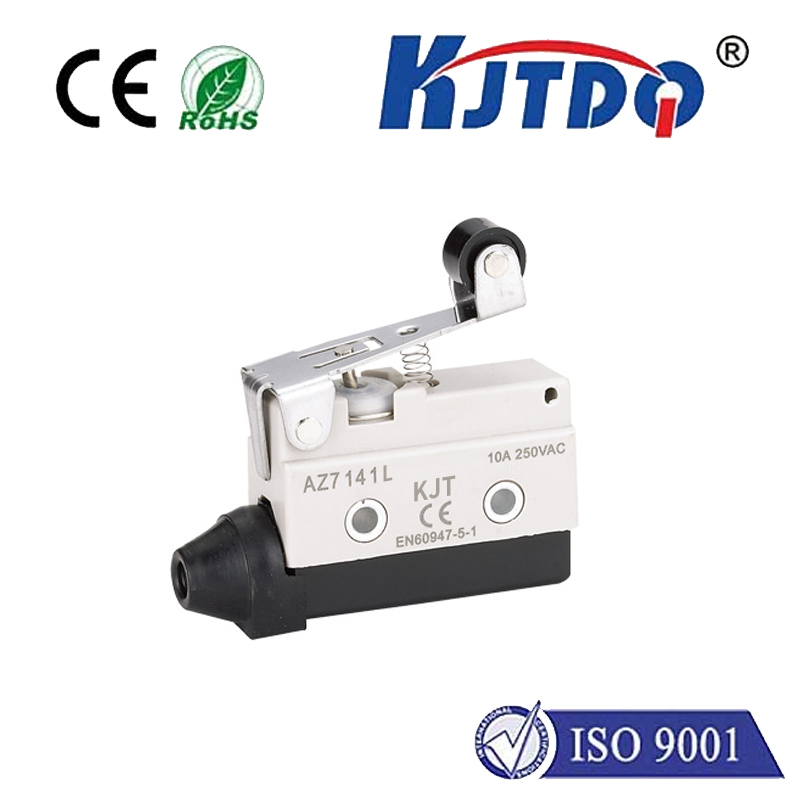
At its core, a limit switch is an electromechanical device that converts a mechanical motion into an electrical control signal. It is typically activated by physical contact with a moving part, such as a machine door, a conveyor belt stop, or the end of a robotic arm's travel. When the actuator of the switch is moved from its normal position, it changes the state of its electrical contacts, either opening or closing a circuit. This signal is then sent to the machine's control system—like a PLC (Programmable Logic Controller)—to initiate an action, such as stopping a motor, reversing direction, starting a sequence, or triggering a safety alarm. This simple yet vital function prevents over-travel, enables precise positioning, and safeguards both equipment and personnel.
The Bernstein limit switch distinguishes itself through a reputation for exceptional durability and precision engineering. Designed to withstand the harsh environments common in industrial settings, these switches often feature robust metal or high-grade plastic housings that offer high degrees of ingress protection (IP ratings) against dust, water, and oil. This makes them ideal for use in manufacturing plants, food and beverage processing, packaging lines, and heavy machinery. The internal mechanism is engineered for long life, capable of enduring millions of operational cycles with consistent accuracy. Furthermore, Bernstein offers a wide variety of actuator types—including roller levers, plungers, and wobble sticks—allowing for customization based on the specific mechanical motion that needs to be detected. Their design often incorporates clear visual indicators for contact status, simplifying installation and troubleshooting.
The applications for Bernstein limit switches are vast and span numerous industries. In material handling, they are used to detect the presence or position of pallets on conveyors, ensuring smooth logistics flow. In automated assembly lines, they provide end-position verification for pneumatic cylinders or linear actuators, guaranteeing components are correctly placed before the next process step begins. Within machine tools, they serve as safety interlocks on guards and doors, preventing operation if access panels are open. In the automotive sector, they are integral to robotic welding and painting cells, defining the precise limits of robot movement. Their reliability in detecting position makes them a cornerstone for creating interlock systems, sequencing operations, and implementing basic safety functions where absolute positional certainty is required.
When selecting a Bernstein limit switch for a specific application, several factors must be considered. The electrical requirements, including voltage, current rating (both AC and DC), and contact configuration (normally open, normally closed, or changeover), must match the control circuit. The mechanical specifications are equally critical: the required operating force, actuator type, repeat accuracy, and the housing's IP rating for environmental protection. The physical mounting configuration and connection method (e.g., cable gland, connector) also play a role in installation ease and long-term reliability. Consulting technical datasheets and, when necessary, the manufacturer's engineering support is crucial for optimal selection.
Proper installation and routine maintenance are key to maximizing the service life and reliability of any limit switch, including those from Bernstein. Installation should ensure the actuator is aligned correctly with the moving part to avoid excessive side load or impact, which can cause premature wear. The operating point should be set so that the switch activates reliably without being over-traveled. Periodic inspection for physical damage, accumulation of debris, and signs of wear on the actuator is recommended. Checking the tightness of mounting hardware and electrical connections can prevent failures. While these switches are built for durability, understanding their operational limits and maintaining them within those parameters ensures continuous, trouble-free performance.
In conclusion, the Bernstein limit switch represents a reliable and versatile solution for position detection and control in demanding industrial environments. Its robust construction, variety of configurations, and proven performance make it a trusted component for engineers designing safety systems, automation sequences, and machinery controls. By understanding its operating principle, key features, and application considerations, professionals can effectively integrate this device to enhance operational efficiency, ensure precision, and uphold critical safety standards on the factory floor. As automation continues to evolve, the fundamental role of dependable limit switches like those from Bernstein remains unchanged, acting as the reliable sentinels of mechanical movement.