check

check

check

check

check

check
In the world of industrial automation, precision and reliability are non-negotiable. Among the myriad components that ensure seamless operations, the cable limit switch stands out as a critical device for controlling machinery movement and preventing overtravel. This guide delves into the functionality, applications, and benefits of cable limit switches, offering insights for engineers and facility managers seeking robust solutions.
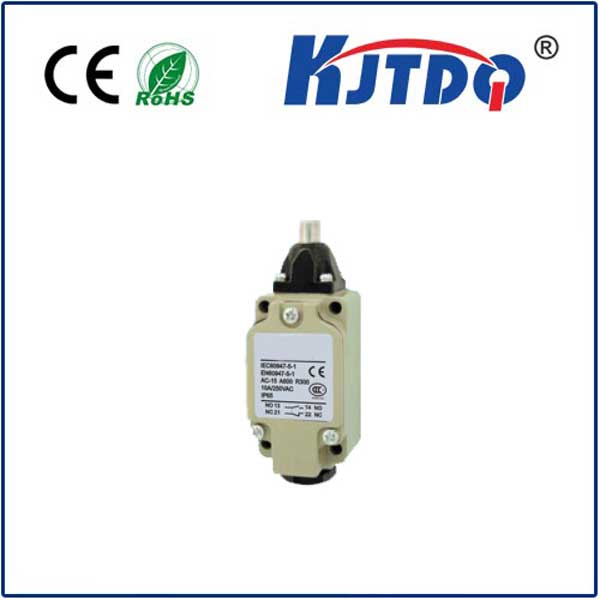
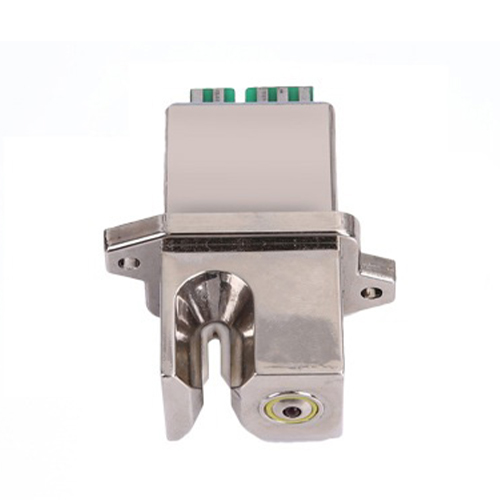
A cable limit switch, often referred to as a cable-pull emergency stop switch, is a safety and control mechanism designed to halt or alter the operation of equipment when a predetermined limit is reached. It consists of a durable cable connected to a switch assembly, which triggers when the cable is pulled or released beyond a set point. This simple yet effective design makes it indispensable in environments where linear or rotational motion needs monitoring, such as conveyor systems, cranes, and automated doors.
The primary advantage of cable limit switches lies in their versatility. They can be installed along extensive pathways, covering large areas where traditional limit switches might fall short. For instance, in manufacturing plants, these switches are deployed along assembly lines to stop machinery if an object or person encroaches on a hazardous zone. Their robust construction, typically featuring weather-resistant materials like stainless steel or industrial-grade plastics, ensures longevity even in harsh conditions, including outdoor settings or areas with high dust, moisture, or temperature fluctuations.
Applications span across various industries. In material handling, cable limit switches safeguard against overloading or misalignment in cranes and hoists. In the automotive sector, they integrate into robotic arms to define safe working perimeters. Even in renewable energy, such as wind turbines, they monitor blade position to prevent damage. The ease of installation and low maintenance requirements further enhance their appeal, reducing downtime and operational costs.
When selecting a cable limit switch, key factors include cable length, tension settings, and switch type (e.g., normally open or closed). Modern variants offer enhanced features like IP67-rated enclosures for waterproofing or compatibility with PLC systems for automated feedback. Regular inspection of cables and connections is recommended to ensure optimal performance, as wear and tear can impact responsiveness.
In conclusion, cable limit switches are a cornerstone of industrial safety and efficiency. By providing reliable overtravel protection, they help prevent equipment damage, reduce accidents, and boost productivity. As automation evolves, these devices continue to adapt, offering smarter integrations for tomorrow’s challenges. For businesses prioritizing operational integrity, investing in high-quality cable limit switches is a strategic move toward sustainable growth.