check

check

check

check

check

check
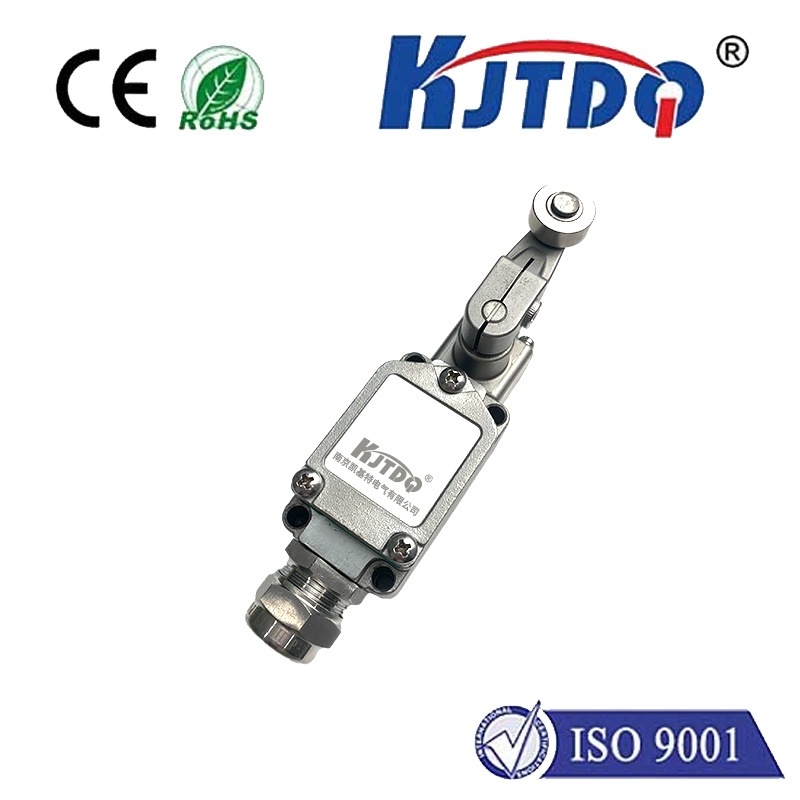
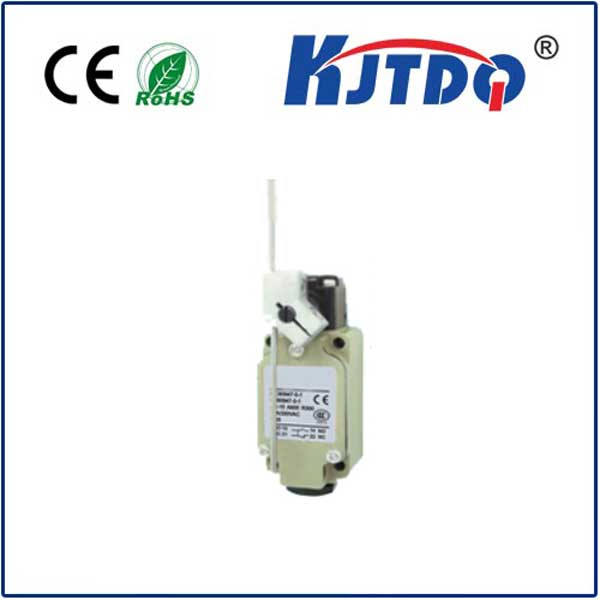
In the world of industrial automation and machinery, precision and reliability are non-negotiable. Among the myriad components that ensure seamless operation, the 3 pin limit switch stands out as a fundamental yet critical device. This compact electromechanical tool is engineered to detect the presence or absence of an object, or to monitor positional limits, by physically making or breaking an electrical circuit. Its design typically features three connection pins—common (COM), normally open (NO), and normally closed (NC)—providing versatile wiring options to suit various control logic needs.
The operational principle of a 3 pin limit switch is straightforward yet ingenious. When an actuator, such as a lever, roller, or plunger, is triggered by an object's movement, it toggles the internal contacts. This action either completes or interrupts the circuit, sending a signal to a control system like a PLC (Programmable Logic Controller) to initiate or halt a process. For instance, in a conveyor system, these switches can stop a motor when a product reaches the end of the line, preventing damage and ensuring safety. Their robustness allows them to perform consistently in harsh environments, resisting dust, moisture, and mechanical wear.
Applications of 3 pin limit switches span across industries. In manufacturing, they are integral to assembly lines, robotic arms, and CNC machines, where they define precise endpoints for movements. The automotive sector relies on them for positioning fixtures in welding and painting stations. Even in everyday appliances like garage doors or elevators, these switches prevent overtravel by cutting power at set limits. Their simplicity makes them a cost-effective solution for position sensing, often preferred over more complex sensors in scenarios where physical contact is acceptable.
Selecting the right 3 pin limit switch involves considering factors such as actuator type, electrical rating, environmental conditions, and mounting style. Lever actuators are ideal for sweeping motions, while roller types suit directional changes. Plunger actuators offer precise linear detection. It's crucial to match the switch's current and voltage ratings with the system requirements to avoid failures. For outdoor or washdown areas, sealed models with IP67 ratings provide protection against water and debris. Regular maintenance, including cleaning and contact inspection, can extend the switch's lifespan and prevent downtime.
Despite the rise of non-contact sensors like proximity or photoelectric switches, the 3 pin limit switch remains popular due to its tactile feedback, ease of installation, and durability. It offers a tangible confirmation of operation, which can be invaluable for troubleshooting. Innovations have led to miniaturized versions and enhanced materials, but the core function persists—delivering reliable control through a simple mechanical action.
In conclusion, the 3 pin limit switch is a cornerstone of automation, blending mechanical simplicity with electrical efficiency. Its three-pin configuration ensures flexibility, while its rugged build guarantees performance under stress. Whether in heavy industry or consumer devices, this switch provides a trusted method for limit detection, embodying the principle that sometimes, the most effective solutions are also the simplest. By understanding its workings and applications, engineers and technicians can optimize systems for safety, accuracy, and longevity, making it an indispensable tool in the automation toolkit.