check

check

check

check

check

check
In the world of industrial automation and machinery control, safety and precision are non-negotiable. Among the myriad components that ensure operational reliability, the stop limit switch stands out as a fundamental safety device. This unassuming yet critical component plays a pivotal role in monitoring and controlling the movement of machines, preventing over-travel, and safeguarding both equipment and personnel.
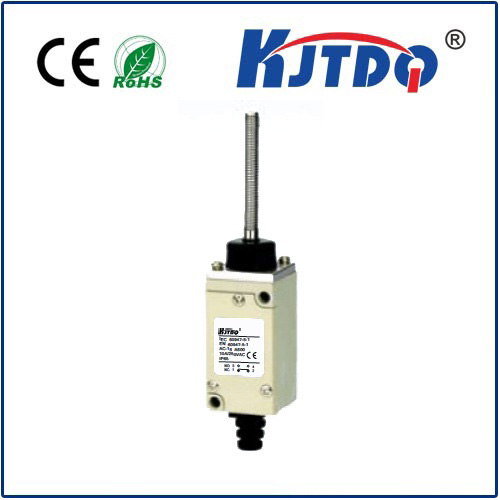
A stop limit switch, often simply called a limit switch, is an electromechanical device designed to detect the presence or absence of an object, or to monitor the position of a machine part. It typically consists of an actuator mechanically linked to a set of contacts. When an object comes into contact with the actuator, the switch operates to either make or break an electrical connection within a control circuit. This action can halt a machine, initiate a sequence, or trigger an alarm, thereby enforcing safe operational boundaries.
The primary function of a stop limit switch is to prevent mechanical over-travel. In applications such as conveyor systems, robotic arms, or elevator controls, unintended movement beyond a set point can lead to catastrophic damage, production downtime, or serious injuries. By installing limit switches at predetermined limits, engineers can ensure that machinery stops or reverses direction at the exact required position. For instance, in an automated packaging line, a limit switch can detect when a product reaches the end of a conveyor, signaling the system to stop or divert it, thus avoiding jams and spills.
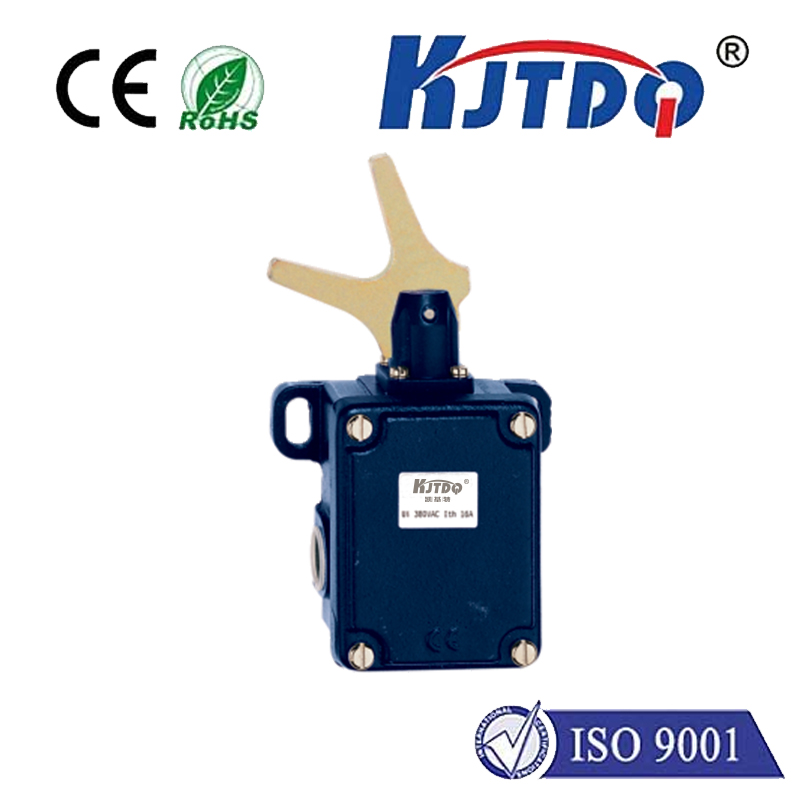
Industrial environments demand durability, and modern stop limit switches are built to withstand harsh conditions. They are often housed in robust enclosures rated for water, dust, and oil resistance, complying with standards like IP67. The actuators come in various forms—lever, roller, plunger, or whisker types—each suited to specific sensing needs. Lever arms might be used for detecting large objects, while precision plunger switches are ideal for small, precise movements. Materials such as stainless steel or engineered plastics ensure longevity even in corrosive or high-temperature settings.
Integration into control systems is straightforward. Stop limit switches are typically wired into a machine’s safety circuit or programmable logic controller (PLC). When activated, they send a signal that interrupts power or changes the control logic, initiating an immediate stop or a safe sequence. This integration is vital for compliance with international safety standards like ISO 13849, which governs safety-related parts of control systems. Regular testing and maintenance are essential to verify that switches function correctly, as a failed limit switch can compromise entire safety systems.
Beyond basic safety, stop limit switches enhance operational efficiency. By providing precise positional feedback, they enable repeatable and accurate machine cycles, reducing waste and improving product quality. In CNC machining, for example, limit switches ensure tools return to a home position accurately after each operation, maintaining tight tolerances. They also contribute to energy savings by preventing unnecessary machine run-time.
Choosing the right stop limit switch involves considering factors like actuation force, travel distance, electrical rating, and environmental conditions. Manufacturers offer a range of options, from basic mechanical switches to advanced models with solid-state outputs or wireless capabilities. It’s crucial to select a switch that matches the specific application’s mechanical and electrical demands to ensure reliability.
In summary, the stop limit switch is a cornerstone of industrial safety and automation. Its ability to reliably detect limits and enforce operational boundaries protects valuable assets and human lives. As industries continue to embrace automation and smart manufacturing, the role of robust, precision limit switches will only grow in importance. Investing in high-quality stop limit switches and adhering to best practices in installation and maintenance is not just a technical requirement—it’s a commitment to safety, efficiency, and continuous productivity in any automated system.