check

check

check

check

check

check
In the intricate world of industrial automation, where precision and reliability are non-negotiable, the humble limit switch stands as a silent sentinel. Among the myriad of options available, the 36T01B7 limit switch has carved out a reputation for durability and consistent performance. This comprehensive guide delves into the features, applications, and critical considerations surrounding this essential component, offering valuable insights for engineers, maintenance professionals, and procurement specialists.
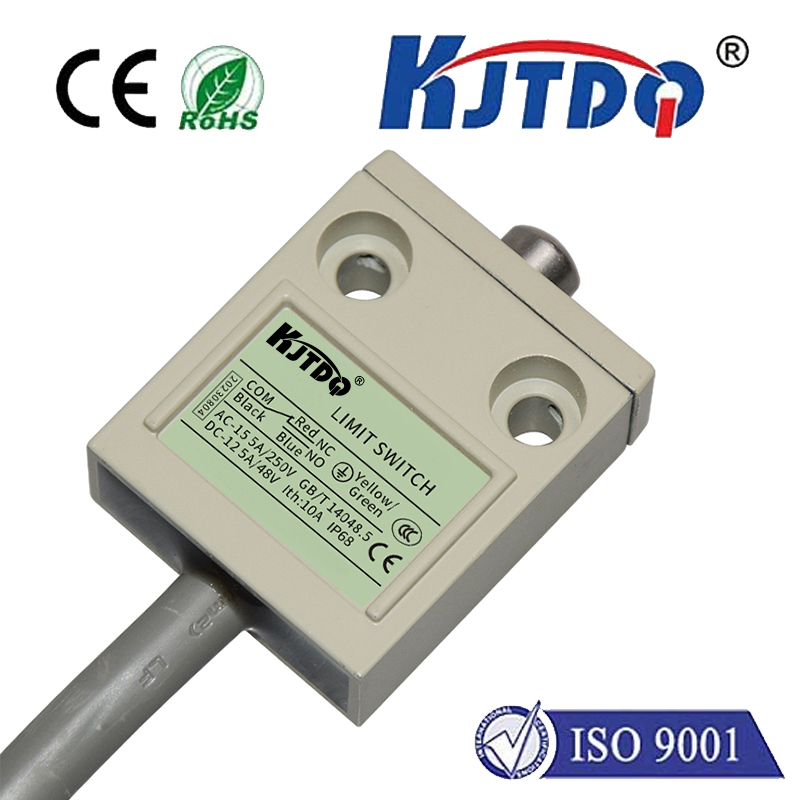
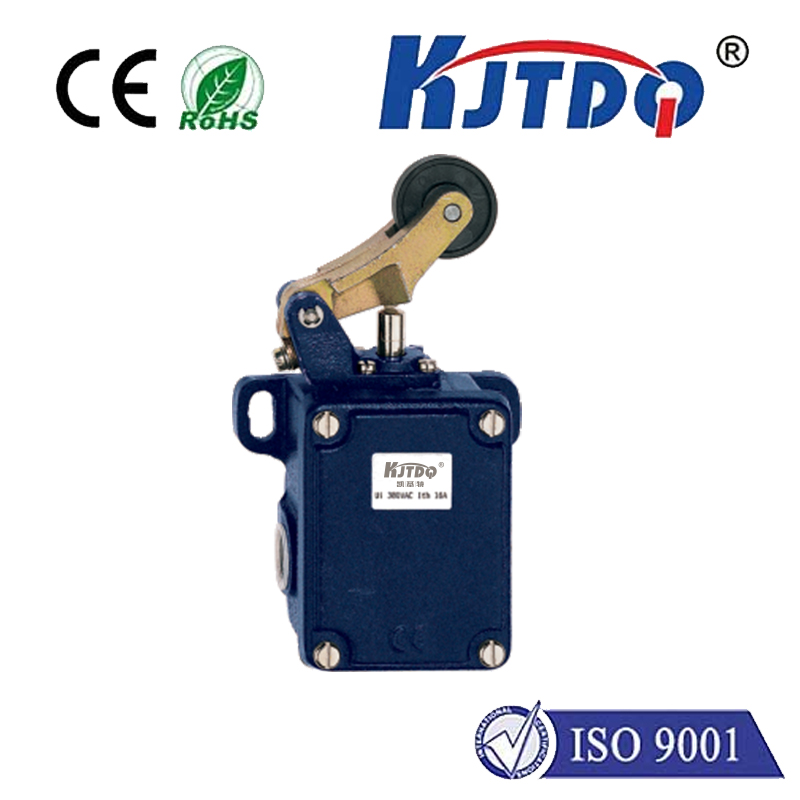
At its core, a limit switch like the 36T01B7 is an electromechanical device designed to detect the presence or absence of an object, or to monitor the limits of travel for machinery. It acts as a crucial interface between a physical motion and an electrical control system. When an actuator (like a cam, lever, or plunger) on the switch is moved by a machine part, it triggers an internal mechanism to open or close electrical contacts. This simple action sends a signal to a programmable logic controller (PLC) or other control unit, initiating a programmed sequence—stopping a conveyor, reversing a motor, activating an alarm, or indexing a position.
The designation "36T01B7" typically refers to a specific model series with defined characteristics. While specifications can vary slightly by manufacturer, a switch under this general classification often boasts a robust metal housing, providing excellent resistance to impact, vibration, and harsh environmental factors like dust, moisture, and oil spray. This industrial-grade construction is key to its longevity in demanding settings such as manufacturing plants, packaging lines, and material handling systems. Many models feature a precision snap-action switch mechanism, ensuring quick, clean contact transfer to prevent arcing and extend electrical life. The actuator type—whether roller lever, top push, or side rotary—can be selected based on the specific mechanical motion it needs to sense.
The applications for the 36T01B7 limit switch are vast and varied. In automated assembly lines, it ensures robotic arms stop at exact positions for welding or part placement. On overhead cranes and hoists, it serves as a critical safety device to prevent over-travel and potential collisions. Within woodworking or metal-cutting machinery, it defines the start and end points of a cutting cycle, ensuring repeatability and product consistency. Its reliability makes it a preferred choice for OEMs (Original Equipment Manufacturers) who require components that will perform for millions of cycles without failure, minimizing downtime and maintenance costs.
Selecting the right limit switch involves more than just the model number. Key factors include the electrical rating (voltage and current for the load it will control), the type of output contacts (normally open, normally closed, or both), the mechanical life expectancy, and the required ingress protection (IP) rating for the operating environment. For instance, a 36T01B7 switch intended for a washdown area in a food processing plant would need a high IP rating for water resistance, whereas one in a clean, dry automation cell might prioritize high-speed operation.
Installation and maintenance are straightforward but vital. Proper alignment of the actuator with the moving machine part is essential to avoid false triggers or physical damage. Regular inspection for wear on the actuator arm and periodic checking of electrical connections can prevent unexpected failures. The robust design of the 36T01B7 series means that when properly selected and installed, it requires minimal intervention, contributing to overall equipment effectiveness (OEE).
In an era increasingly focused on smart sensors and IoT connectivity, the fundamental role of electromechanical limit switches remains unchallenged. They offer a simplicity, cost-effectiveness, and raw durability that is often unmatched for basic position detection tasks. The 36T01B7 exemplifies these qualities, providing a dependable solution that forms the backbone of countless automated processes. For engineers seeking to ensure machine safety, operational precision, and long-term reliability, understanding and utilizing components like this limit switch is not just a technical detail—it's a cornerstone of efficient and safe industrial design. Its proven track record in the field continues to make it a trusted component in upgrading existing machinery or developing new automated systems.