check

check

check

check

check

check
In industrial automation and control systems, limit switches play a critical role in monitoring and controlling the movement of machinery. Among the various types available, NPN limit switches have gained significant popularity due to their compatibility with programmable logic controllers (PLCs) and other electronic control systems. This article explores the fundamental principles, applications, and advantages of NPN limit switches, providing a comprehensive guide for engineers and technicians.
An NPN limit switch is a type of sensor that operates using an NPN transistor output. In electronic terms, NPN refers to the configuration of the transistor, where the output switches to ground (low signal) when activated. This design makes NPN limit switches ideal for interfacing with PLCs that require a sinking input. When the switch is triggered—typically by physical contact with an object—the transistor allows current to flow from the load to ground, sending a signal to the control system. This mechanism ensures precise detection of position, presence, or movement in automated processes.
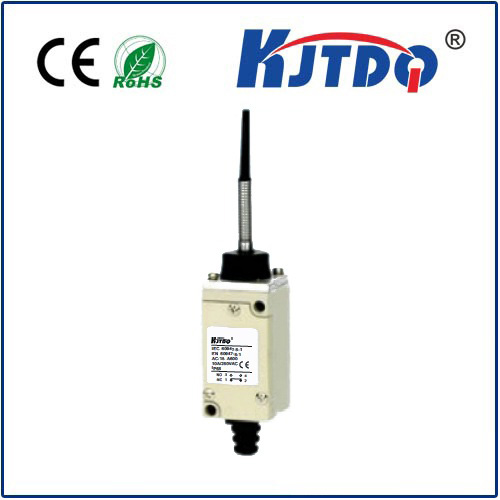
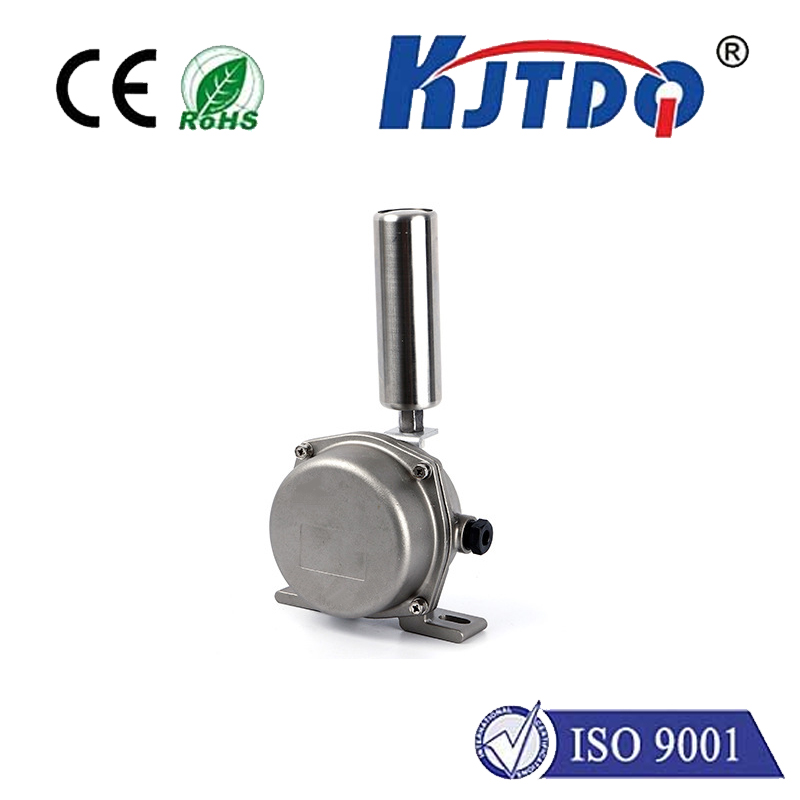
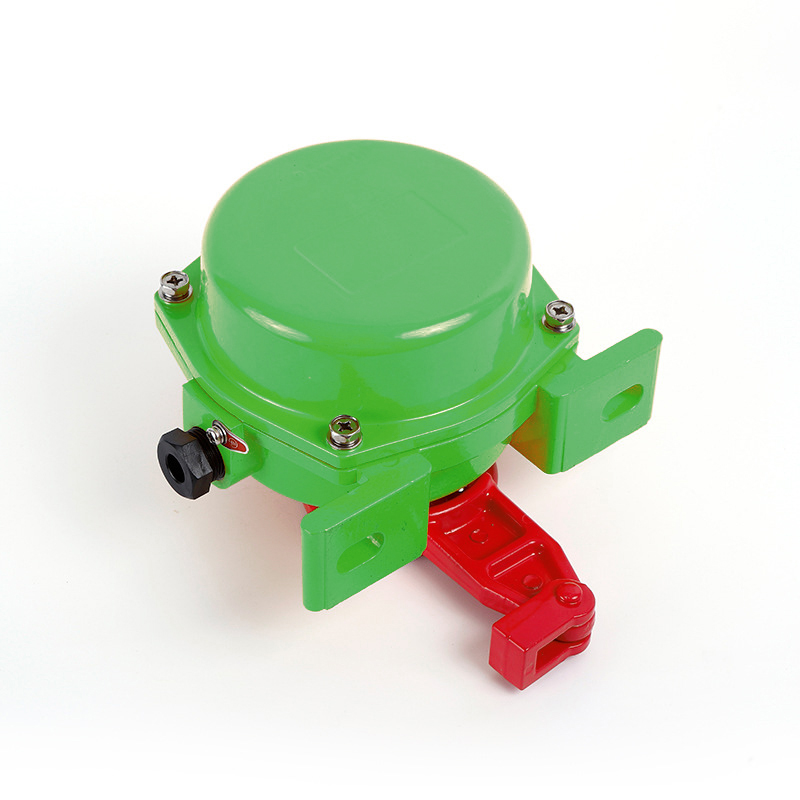
The construction of an NPN limit switch typically includes a rugged housing, an actuator (such as a lever or roller), and internal electrical components. These switches are designed to withstand harsh industrial environments, featuring high durability against dust, moisture, and mechanical stress. Common materials include stainless steel or thermoplastic casings, which provide resistance to corrosion and impact. The actuator type can vary based on the application; for example, roller actuators are used for linear motion detection, while lever actuators suit angular movements.
Applications of NPN limit switches span across numerous industries. In manufacturing, they are employed in conveyor systems to detect the position of items, ensuring smooth material handling. Robotics relies on these switches for end-of-arm tooling and movement limits, preventing collisions and enhancing safety. Automotive assembly lines use them to verify component placement, while packaging machinery utilizes them for counting and positioning tasks. Additionally, NPN limit switches are integral in elevator controls, CNC machines, and agricultural equipment, where reliable sensing is paramount.
One of the key advantages of NPN limit switches is their compatibility with sinking input modules in PLCs, which are common in many industrial setups. This compatibility simplifies wiring and reduces the need for additional components, lowering installation costs. Moreover, NPN outputs are less susceptible to electrical noise in environments with high interference, ensuring stable signal transmission. The switches also offer fast response times, often in milliseconds, enabling real-time control in high-speed operations. From a maintenance perspective, their simple design leads to longer service life and easier troubleshooting.
When selecting an NPN limit switch, several factors should be considered. The operating voltage range must match the control system, typically ranging from 10 to 30 volts DC. Current rating is another critical parameter, as exceeding it can damage the switch. Environmental conditions, such as temperature extremes or exposure to chemicals, may require specialized seals or materials. Additionally, the switching frequency—how often the switch can activate per second—should align with the application's speed. For instance, high-speed packaging lines demand switches with higher frequency capabilities.
Installation and wiring of NPN limit switches are straightforward but require attention to detail. The switch is connected in series with the load and the power supply, with the output wire linked to the PLC input. Proper mounting is essential to ensure accurate actuation; misalignment can lead to false signals or mechanical failure. Regular maintenance, including cleaning and inspection for wear, helps prevent downtime. In case of malfunctions, checking the voltage supply and actuator movement is a good starting point for diagnostics.
In comparison to PNP limit switches, which provide a sourcing output (high signal when activated), NPN versions are often preferred in regions like Europe and Asia due to standard practices. However, the choice between NPN and PNP depends on the control system's requirements. It's crucial to consult the PLC manual or system specifications to ensure compatibility. Some modern switches offer configurable outputs, allowing flexibility in diverse applications.
Looking ahead, advancements in sensor technology are enhancing NPN limit switches with features like IO-Link communication for data exchange and diagnostics. These smart switches can transmit information on operating status or wear, enabling predictive maintenance and reducing unplanned outages. Despite the rise of proximity sensors and vision systems, mechanical limit switches remain relevant due to their reliability, cost-effectiveness, and simplicity in many industrial scenarios.
In summary, NPN limit switches are indispensable components in automation, offering robust performance and ease of integration. By understanding their operation and selection criteria, engineers can optimize system efficiency and safety. As industries evolve toward smarter manufacturing, these switches continue to adapt, proving their enduring value in control applications.