check

check

check

check

check

check
In the intricate world of industrial automation and electrical control systems, precision and reliability are non-negotiable. Among the myriad components that ensure seamless operation, the limit switch stands as a fundamental guardian of mechanical movement. When discussing high-quality, durable solutions in this domain, the IMO limit switch frequently emerges as a benchmark. This article delves into the functionality, applications, and critical importance of these devices, explaining why they are indispensable in contemporary engineering.
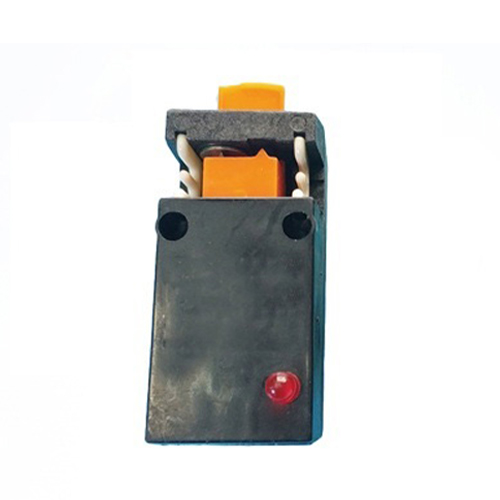
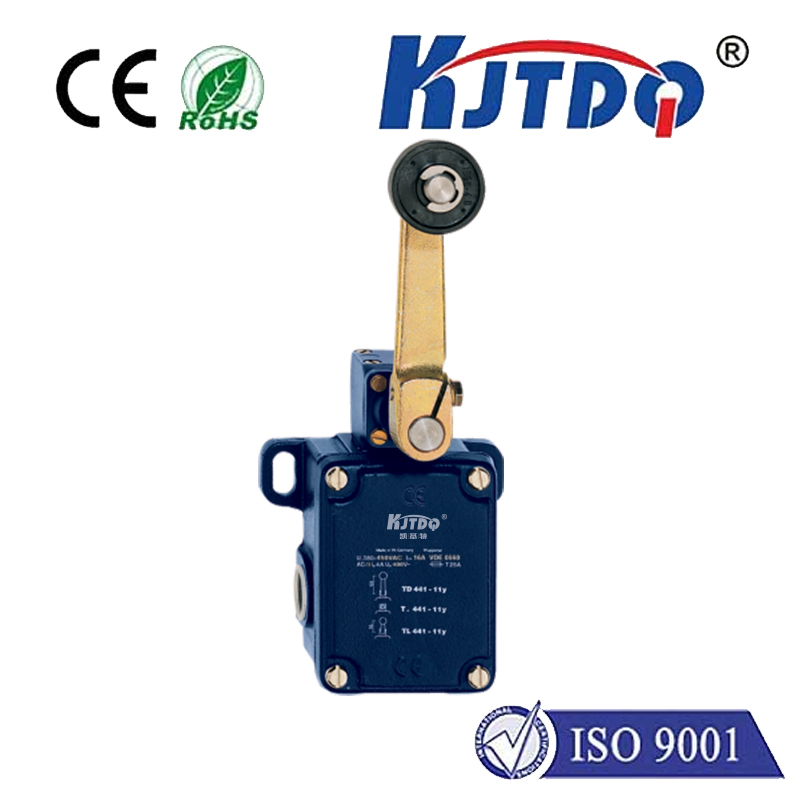
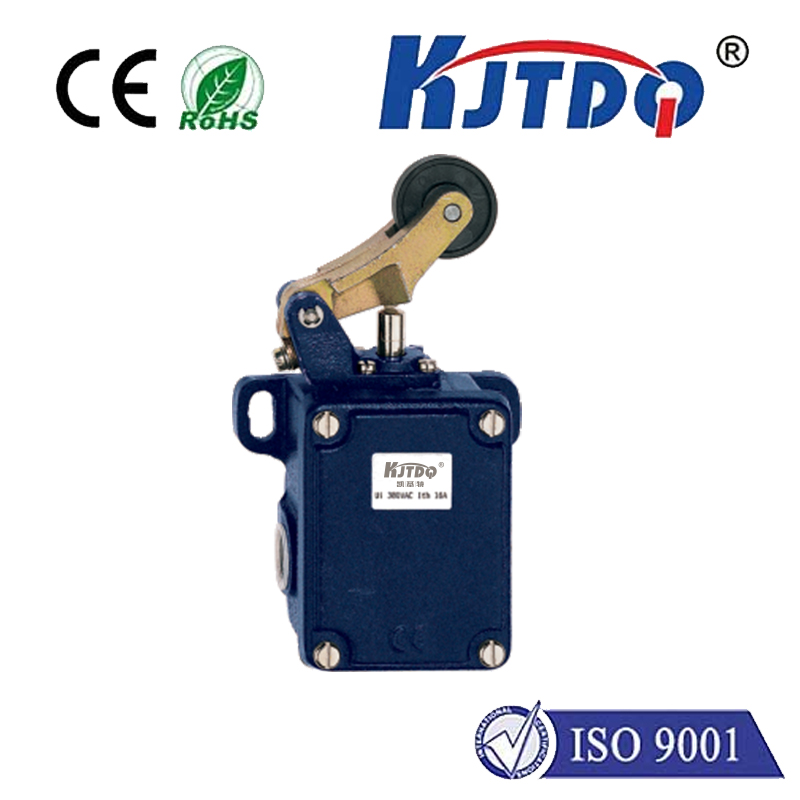
A limit switch, at its core, is an electromechanical device designed to detect the presence or absence of an object, or to monitor the limits of travel of a machine part. It operates by having an actuator linked to a set of contacts. When an object makes physical contact with the actuator, it triggers the switch to change the state of its electrical contacts—either opening or closing a circuit. This simple action serves as a vital signal to a control system, instructing it to initiate, halt, or alter a sequence of operations. The IMO limit switch distinguishes itself through robust construction, consistent performance, and adaptability to harsh industrial environments, making it a preferred choice for engineers worldwide.
The applications of IMO limit switches are vast and varied, spanning numerous sectors. In manufacturing and assembly lines, they are crucial for positioning control, ensuring robotic arms or conveyor belts stop or reverse at precise points to prevent over-travel and potential damage. Within the material handling industry, such as in cranes and hoists, these switches act as safety sentinels, defining the upper and lower limits of movement to avoid catastrophic failures. They are equally vital in packaging machinery, automotive production, and even in elevator systems, where they confirm door closure or floor alignment. The reliability of an IMO limit switch in these scenarios directly impacts operational safety, efficiency, and uptime.
Selecting the right limit switch involves considering several technical parameters. Key among these are the mechanical life (the number of mechanical operations before wear), electrical life (the number of switching operations under load), the type of actuator (lever, roller, plunger, etc.), ingress protection (IP) rating for dust and water resistance, and the electrical specifications like voltage and current ratings. IMO limit switches are renowned for offering excellent ratings across these categories. Their housings are often engineered from durable metals or high-grade plastics, providing resilience against impacts, vibrations, oils, and chemicals commonly found in industrial settings. This durability translates to reduced maintenance needs and longer service intervals, contributing to lower total cost of ownership.
Installation and maintenance, while straightforward, require attention to detail for optimal performance. Proper mounting alignment is essential to ensure the actuator makes correct and consistent contact with the target object. Regular inspection for physical damage, wear on the actuator mechanism, and cleanliness of the contacts can prevent unforeseen downtime. The modular design of many IMO limit switches facilitates easier servicing and replacement, further enhancing their value proposition in mission-critical applications.
Beyond basic functionality, the evolution of limit switches integrates with broader trends in Industry 4.0. Modern IMO switches can be part of networked systems, providing diagnostic data and status updates to centralized control units. This connectivity enables predictive maintenance strategies, where potential issues can be identified and addressed before they lead to operational disruptions. This smart capability adds a layer of intelligence to a traditionally mechanical component, future-proofing investments in industrial automation.
In conclusion, the humble limit switch is a cornerstone of automated control, and the IMO limit switch represents a pinnacle of design and reliability within this category. Its role in ensuring safe, precise, and efficient machine operation cannot be overstated. For system designers, maintenance engineers, and procurement specialists, understanding the specifications and advantages of these components is key to building resilient and productive industrial systems. As technology advances, the fundamental principle of the limit switch—providing a simple, physical confirmation—remains as relevant as ever, with brands like IMO continuing to set the standard for quality and innovation.