check

check

check

check

check

check
In industrial automation and machinery control, precision and reliability are non-negotiable. Among the myriad components that ensure operational safety and efficiency, the FAP limit switch stands out as a critical device. This guide delves into the fundamentals, applications, and selection criteria for FAP limit switches, providing essential knowledge for engineers, maintenance personnel, and procurement specialists.
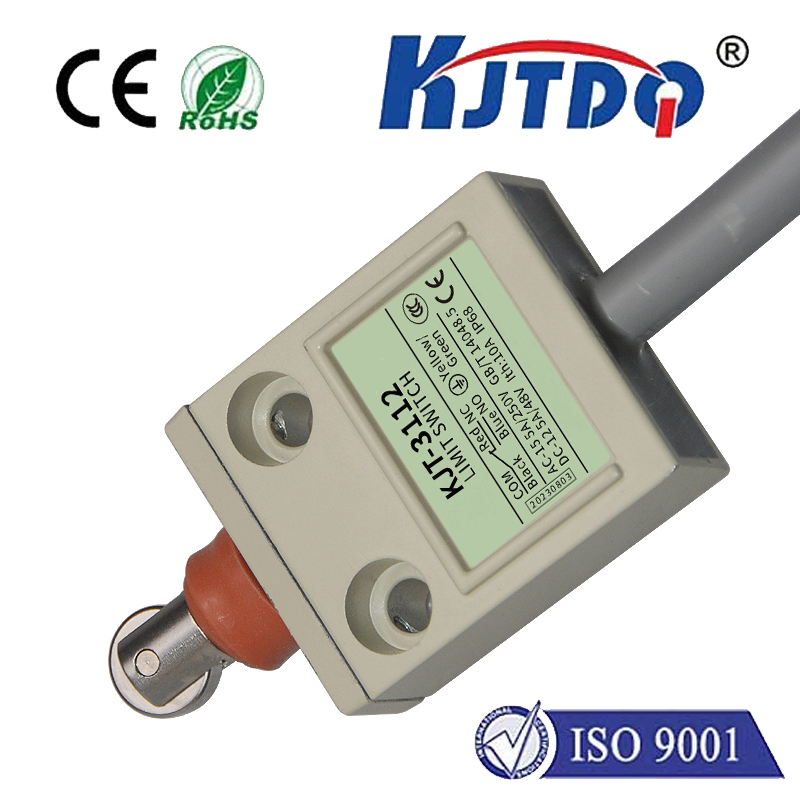
A FAP limit switch, often categorized under precision snap-action switches, is an electromechanical device designed to detect the presence or absence of an object, or to monitor the position of a machine part. The acronym "FAP" can refer to specific model series or characteristics defined by manufacturers, such as Form A (Normally Open) contacts or particular form factors. Its primary function is to convert a mechanical motion into an electrical control signal. When an actuator (like a plunger, lever, or roller) is displaced by a target object, it triggers the internal mechanism to rapidly change the state of its electrical contacts—either opening or closing a circuit. This signal is then used to stop, start, or sequence operations in a control system, acting as a vital safety interlock or position feedback sensor.
The operational principle hinges on a snap-action mechanism. This design ensures a quick, positive make-or-break of contacts, minimizing arcing and contact bounce, which translates to longer service life and higher reliability compared to slow-acting switches. The housing is typically robust, constructed from materials like thermoplastic or metal, offering protection against environmental factors such as dust, moisture, oil, and mechanical impact, often corresponding to specific IP (Ingress Protection) ratings.
The applications of FAP limit switches are vast and span across numerous industries. In automotive manufacturing lines, they are employed to verify the correct positioning of robotic arms or the closure of safety guards. Within packaging machinery, they ensure that products are correctly aligned before sealing or labeling processes. In material handling systems, such as conveyor belts and elevators, these switches detect the end-of-travel positions of moving carts or lifts, preventing overtravel and potential damage. They are also integral to CNC machines, where they define the home position or limit the travel range of cutting tools. Essentially, anywhere precise positional control or end-point detection is required, a robust limit switch like the FAP type is likely to be found.
Selecting the right FAP limit switch for a specific application requires careful consideration of several technical parameters. First, the electrical ratings—including voltage (AC/DC), current capacity, and contact configuration (SPDT, SPST-NO, SPST-NC)—must match the control circuit requirements. The mechanical durability, often rated in millions of operations, is crucial for high-cycle applications. The actuator type is another key decision; roller lever actuators are suitable for detecting moving parts from the side, while plunger types are ideal for direct linear actuation. Environmental conditions dictate the necessary housing seal; an IP67-rated switch, for instance, is protected against temporary immersion, making it suitable for washdown areas in food processing. Finally, physical dimensions and mounting style must align with the available space and mechanical interface on the machine.
Installation and maintenance are straightforward but vital for optimal performance. Proper alignment of the actuator with the target object is essential to avoid false triggering or missed signals. Mounting must be secure to prevent vibration-induced movement. Regular inspection for physical damage, wear on the actuator, and testing of electrical continuity can prevent unplanned downtime. Many modern FAP switches feature built-in LED indicators for visual status confirmation, aiding in quick diagnostics.
In conclusion, the FAP limit switch remains a cornerstone of industrial control systems. Its simplicity, proven reliability, and direct interface between the mechanical and electrical domains make it an indispensable component. By understanding its operation, applications, and selection criteria, professionals can ensure the implementation of safe, efficient, and reliable automated processes. As technology evolves, these devices continue to be refined with enhanced materials, sealing technologies, and connectivity options, securing their role in the future of industrial automation.