check

check

check

check

check

check
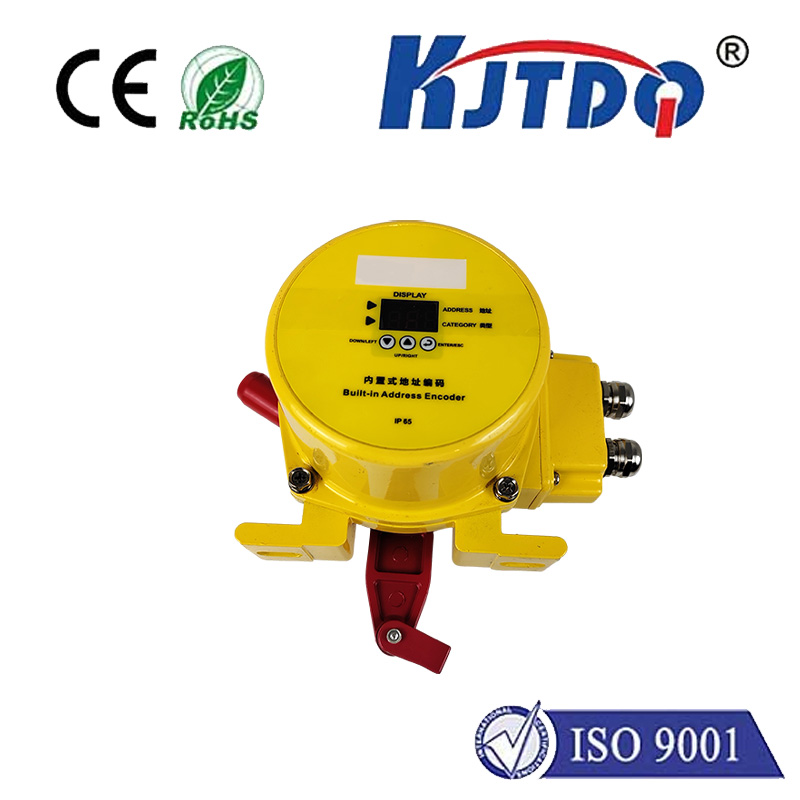
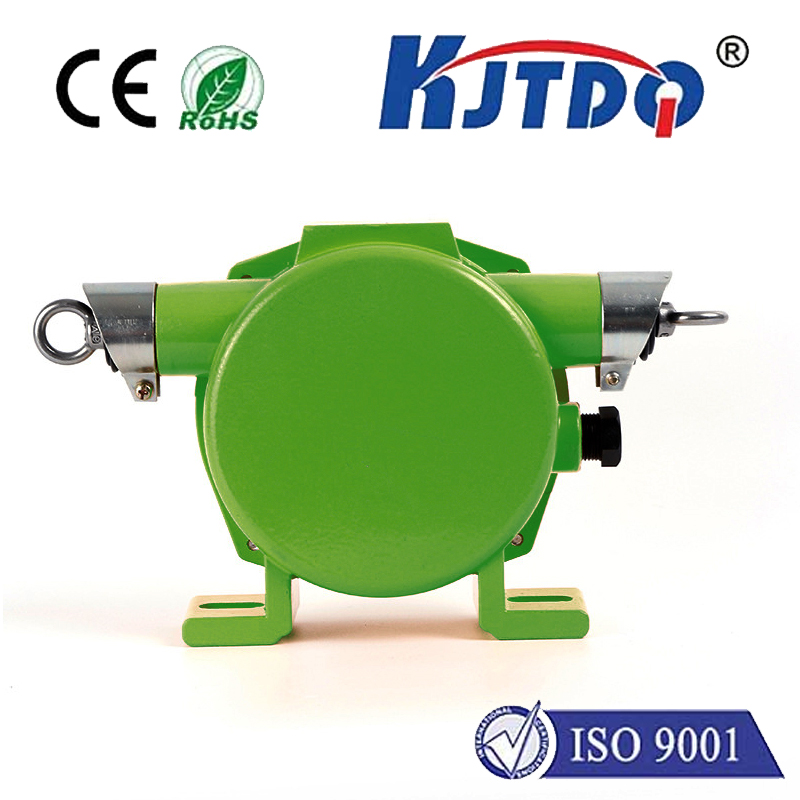
In the world of industrial automation, precision and reliability are non-negotiable. The 60T11 limit switch stands as a cornerstone component in countless control systems, from conveyor belts and packaging machinery to robotic arms and safety gates. This robust electromechanical device is engineered to detect the presence or absence of an object, or to monitor the position of a machine part, by physically making or breaking an electrical circuit. Its primary function is to provide a definitive signal to a programmable logic controller (PLC) or other control unit, initiating a sequence, halting a process, or triggering a safety protocol. The "60T11" designation typically refers to a specific series known for its durability, consistent performance, and standardized mounting configurations, making it a preferred choice for maintenance engineers and system integrators.
The operational principle of the 60T11 limit switch is elegantly straightforward yet profoundly effective. It consists of an actuator—often a lever, roller, or plunger—connected to a set of internal electrical contacts housed within a sealed, ruggedized body. When an external object or machine part comes into contact with the actuator, it moves, causing the internal contacts to change state. This action either closes (makes) or opens (breaks) the electrical circuit. This physical actuation provides a high degree of certainty and noise immunity compared to some proximity sensors, which is critical in harsh environments with vibration, dust, or moisture. The mechanical nature of the switch offers tactile feedback and a clear, audible click, allowing for straightforward manual testing and troubleshooting on the factory floor.
One of the key advantages of the 60T11 series is its exceptional versatility and adaptability. Available in various actuator styles and operating forces, it can be configured for a wide range of applications. For instance, a roller lever actuator is ideal for sensing the edge of a material or the passage of objects on a line, while a plunger-type actuator is suited for precise positional control. Manufacturers often offer these switches with different electrical ratings, contact arrangements (normally open, normally closed, or changeover), and enclosure ratings such as NEMA 4, 4X, or 13, which provide protection against oil, water, and corrosive elements. This flexibility ensures that a 60T11 switch can be precisely matched to the mechanical, electrical, and environmental demands of the specific task.
Durability is a hallmark of a well-constructed 60T11 limit switch. Designed for millions of operational cycles, these switches are built to withstand the rigors of continuous industrial use. The housing is typically constructed from die-cast metal or high-grade industrial plastic, offering resistance to impact and corrosion. The sealing around the actuator shaft and housing joints is critical to prevent ingress of contaminants that could lead to premature failure. For industries like material handling, automotive manufacturing, or food and beverage processing, where downtime is costly, the long service life and mechanical robustness of the 60T11 translate directly into improved operational efficiency and lower total cost of ownership.
Installation and maintenance of the 60T11 limit switch are generally straightforward, contributing to its widespread adoption. Standardized mounting holes and dimensions allow for easy replacement and interchangeability with other switches in the same series. Proper alignment of the actuator with the target object is crucial for reliable operation and to prevent undue wear. Regular maintenance involves visual inspection for physical damage, checking for secure mounting and electrical connections, and verifying the actuator moves freely without binding. Keeping the actuator and target surface clean ensures consistent actuation. When a switch fails, it is often a clear mechanical or electrical event, making diagnosis faster than with more complex solid-state sensors.
In modern automated systems, the 60T11 limit switch continues to hold its ground even alongside advanced sensor technologies. While photoelectric or inductive proximity sensors offer contactless operation, the physical limit switch provides a definitive, fail-safe mechanical backup in safety-critical applications. It is often used as a hard-wired emergency stop or as a positive-position verification device for guards and doors. Its simplicity is its strength, offering a reliable solution that is easy for technicians to understand, wire, and repair without specialized diagnostic tools. This blend of traditional mechanical reliability with modern industrial requirements secures its place in the automation ecosystem.
Selecting the right 60T11 limit switch requires careful consideration of several application parameters. Engineers must evaluate the required operating force, the speed and frequency of actuation, the electrical load (voltage and current) of the circuit it will control, and the environmental conditions. Understanding the nature of the target object—its size, material, and travel path—is essential for choosing the correct actuator style. Consulting manufacturer datasheets for specifications on mechanical life, electrical life, and temperature range ensures the selected switch will perform reliably over its intended lifespan. Proper selection minimizes unexpected failures and optimizes system performance.
Ultimately, the 60T11 limit switch exemplifies a timeless engineering solution. Its design prioritizes functional reliability, environmental resilience, and ease of integration. For system designers and plant maintenance teams, it represents a trusted component that performs a fundamental control function day in and day out. By converting a simple physical motion into a decisive electrical command, the 60T11 switch plays a silent yet pivotal role in the smooth, safe, and efficient operation of automated machinery worldwide, proving that in many cases, the most effective solution is also one of the most straightforward.