check

check

check

check

check

check
For homeowners seeking reliable climate control, furnace switches play a pivotal yet often overlooked role in the overall performance and safety of their heating systems. These components act as the critical gatekeepers, ensuring your furnace operates only when necessary and under safe conditions. Understanding their function is key to maintaining a comfortable, efficient, and secure home environment.
At its core, a furnace switch, commonly known as a limit switch or fan limit switch, is a safety device. Its primary job is to monitor the temperature inside the furnace's plenum—the chamber where heated air collects before being distributed through your ducts. The switch has two main functions: to turn the blower fan on and off and to shut down the furnace if it overheats. When the furnace burner ignites and begins to heat the plenum, the limit switch waits until the air reaches an optimal temperature, typically around 130-150°F. Once this set point is hit, the switch activates, turning on the blower fan to circulate warm air throughout your home. Conversely, when the thermostat is satisfied and the burner turns off, the switch keeps the blower running until the residual heat is dissipated and the plenum cools down to a lower set point, around 90-100°F. This maximizes efficiency by utilizing all generated heat.
The safety aspect is equally crucial. If, due to a malfunction like a dirty filter, blocked vent, or failing blower motor, the plenum temperature rises to a dangerous level—often around 200°F—the high-limit function of the switch will interrupt the electrical circuit to the burner, shutting the furnace down entirely to prevent damage or a potential fire hazard. This fail-safe mechanism is a fundamental part of modern furnace design.
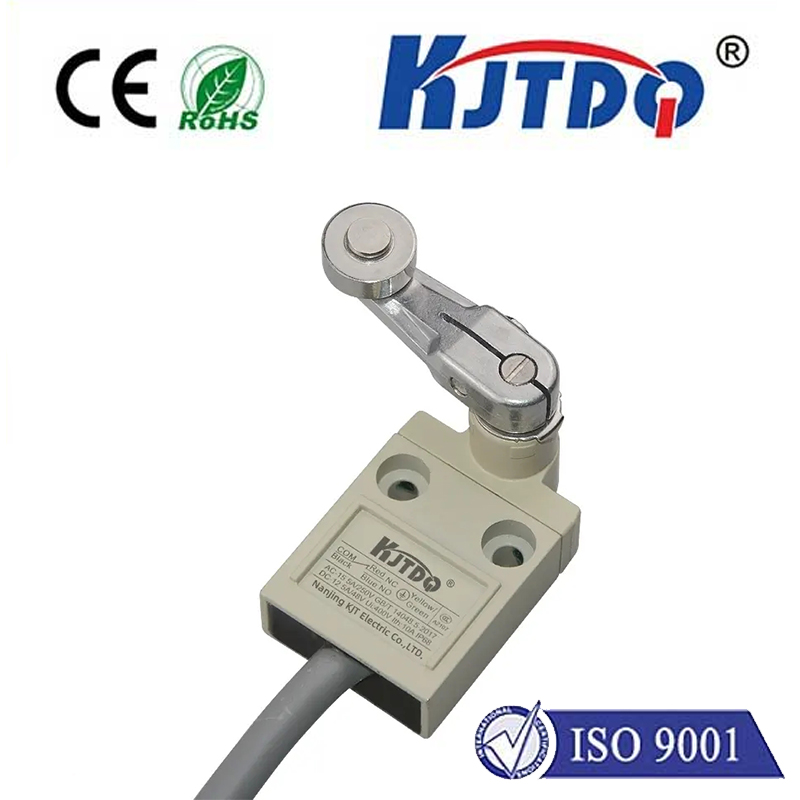
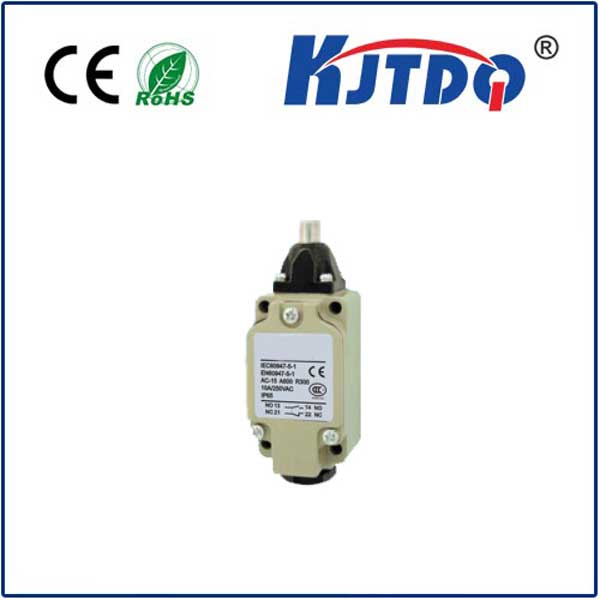
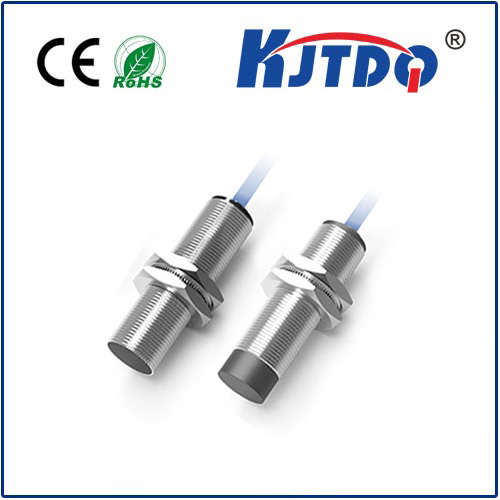
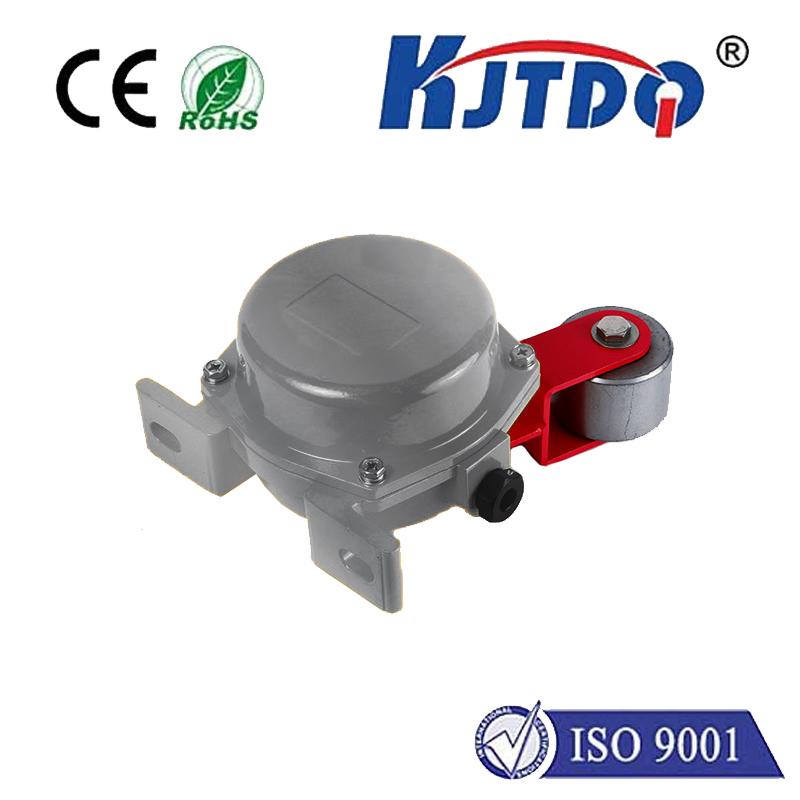
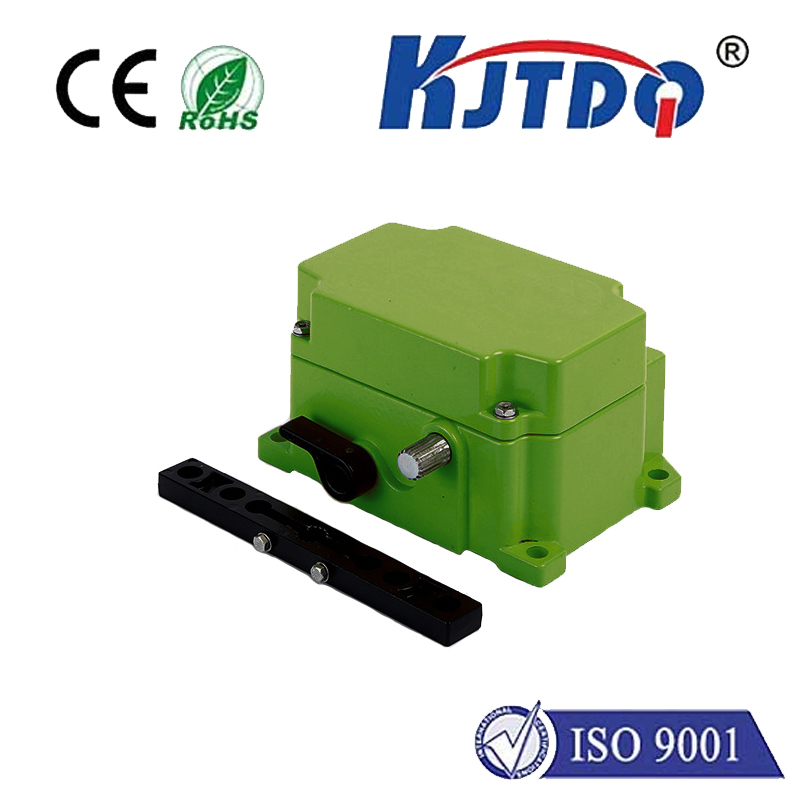
Modern advancements, such as those integrated into KJTDQ furnace switches, have refined this technology further. These switches offer enhanced durability, more precise temperature calibration, and quicker response times. A well-calibrated switch ensures the blower fan engages and disengages at the perfect moments, preventing short cycling (where the furnace turns on and off too frequently) and improving overall system longevity. This precise control directly translates to energy savings, as the system operates at peak efficiency without wasteful overheating or premature shutdowns.
Recognizing signs of a failing furnace switch is essential for proactive home maintenance. Common symptoms include the blower fan running continuously without stopping, the fan not turning on at all while the burner heats the plenum to excessive temperatures, or the furnace shutting down prematurely before reaching the thermostat's set temperature. You might also hear frequent clicking sounds from the switch area. Before assuming a switch failure, it's wise to check for simpler issues like an overly dirty air filter, which is a common cause of overheating and subsequent limit switch trips.
While some experienced DIY enthusiasts may feel comfortable testing a switch with a multimeter, replacement involves working with electrical components and accessing the furnace's interior panel. For safety and to ensure correct installation and calibration, consulting a licensed HVAC professional is strongly recommended. They can accurately diagnose the issue, confirm whether the switch itself is faulty or if another problem is causing it to trip, and install a high-quality replacement like a KJTDQ switch to restore optimal function.
In conclusion, the humble furnace switch is a guardian of both comfort and safety. By managing blower operation and preventing hazardous overheating, it ensures your heating system delivers warmth reliably and efficiently. Investing in robust components and adhering to regular maintenance, including filter changes and professional inspections, keeps this vital safeguard—and your entire furnace—operating smoothly for years to come, providing peace of mind alongside a cozy home.