check

check

check

check

check

check
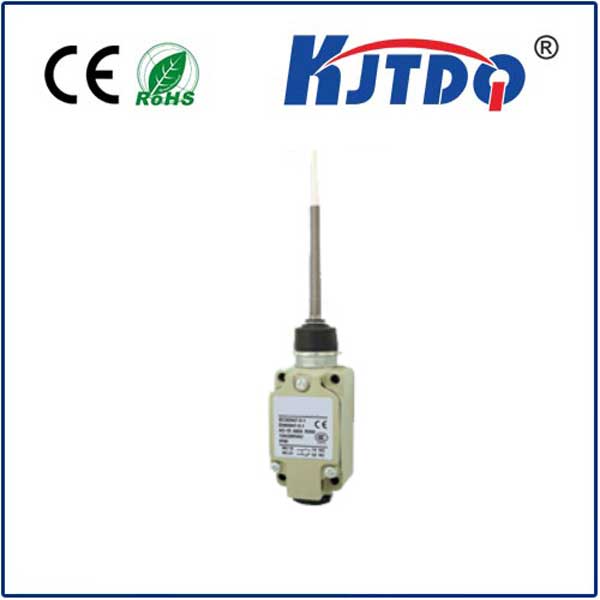
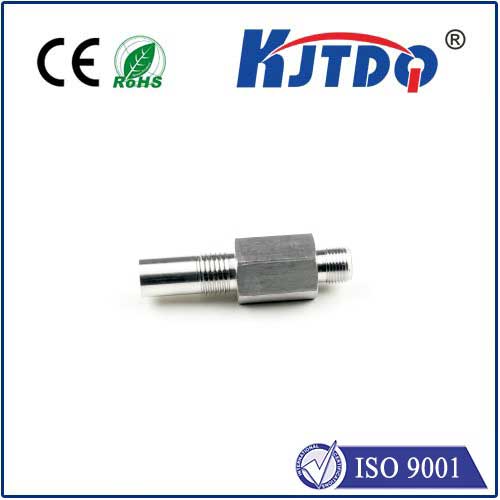
In industrial environments where pressure control is critical, the high pressure limit switch plays an indispensable role in safeguarding equipment and processes. This device is engineered to monitor pressure levels within systems such as compressors, hydraulic systems, boilers, and pipelines. When pressure exceeds a predetermined setpoint, the switch automatically triggers an action—typically shutting down machinery or activating alarms—to prevent potential damage, leaks, or hazardous failures.
The design of a high pressure limit switch focuses on durability and precision. Constructed from robust materials like stainless steel or brass, it withstands harsh conditions including extreme temperatures, vibrations, and corrosive media. Internally, a sensing element, often a diaphragm or piston, responds to pressure changes. Once the limit is reached, it mechanically engages electrical contacts to interrupt or initiate circuits. This straightforward yet reliable mechanism ensures immediate response without relying on complex electronics, reducing points of failure.
Industries such as oil and gas, manufacturing, water treatment, and energy generation depend on these switches for operational safety. For instance, in a refrigeration system, an overpressure event could cause compressor burnout or refrigerant leakage. A properly calibrated limit switch acts as a first line of defense, mitigating risks before they escalate. Similarly, in hydraulic presses, maintaining pressure within safe bounds is vital to avoid structural stress or accidents.
Installation and maintenance are key to optimal performance. Technicians must mount the switch at appropriate points in the system, considering factors like fluid dynamics and potential pressure spikes. Regular testing verifies calibration accuracy, as drift over time could compromise safety. Many modern switches feature adjustable setpoints, allowing customization for specific applications, and some include visual indicators or manual reset functions for ease of use.
Beyond safety, high pressure limit switches contribute to efficiency. By preventing unscheduled downtime and equipment damage, they reduce repair costs and extend machinery lifespan. In automated processes, they integrate with control systems to enable seamless operations, ensuring that pressure deviations are addressed promptly without human intervention. This reliability supports continuous production flows and helps meet regulatory standards in safety-critical sectors.
Choosing the right switch involves evaluating parameters like pressure range, electrical ratings, environmental certifications, and connection types. Manufacturers often provide models tailored to specific media or industries, ensuring compatibility and longevity. As industries advance toward smarter operations, some limit switches now incorporate digital interfaces for remote monitoring, though the core mechanical principle remains unchanged for fail-safe assurance.
Ultimately, the high pressure limit switch exemplifies how a simple component can have a profound impact on industrial safety and productivity. Its role in preventing catastrophic failures underscores the importance of quality design and proactive maintenance. For engineers and operators, understanding its function and application is essential to building resilient systems that protect both assets and personnel.