check

check

check

check

check

check
In the world of industrial automation and machinery control, precision and reliability are not just desirable features—they are absolute necessities. This is where the role of a robust limit switch becomes paramount. Among the myriad of options available, the CS 7 series of limit switches stands out as a definitive solution for engineers and system integrators seeking unparalleled performance. This article delves into the core attributes and applications of the CS 7 limit switch, explaining why it has become a preferred component in demanding environments.
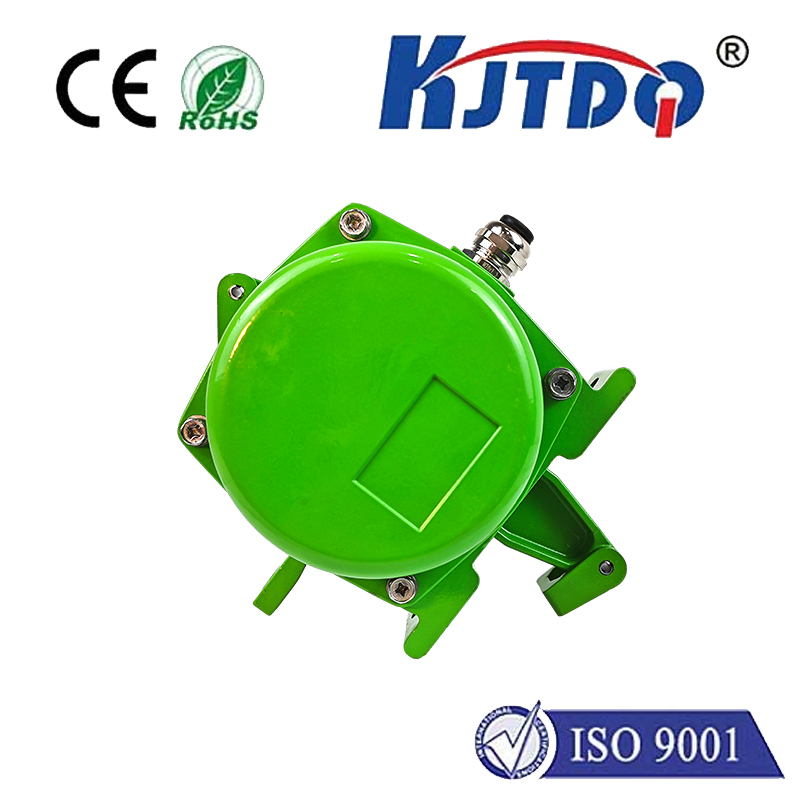
At its heart, a limit switch is an electromechanical device designed to detect the presence or absence of an object, or to monitor the limits of travel for a machine part. The CS 7 model elevates this basic function through its exceptional engineering. Constructed with a durable, sealed housing, it offers remarkable resistance to environmental challenges such as dust, moisture, oil, and coolant ingress. This robust construction ensures consistent operation even in harsh manufacturing settings, from automotive assembly lines to food processing plants, minimizing downtime and maintenance costs.
One of the standout features of the CS 7 limit switch is its precision actuation. The switch mechanism is finely calibrated to provide accurate and repeatable switching points. This accuracy is critical in applications where the exact position of a component must be known and controlled, such as in robotic arms, conveyor systems, or automated packaging machinery. A slight misalignment or delay in signal can lead to production errors, jams, or even safety hazards. The CS 7's reliable operation acts as a trustworthy sentinel, ensuring processes stop, start, or change direction at precisely the right moment.
Safety is an inseparable aspect of industrial operations. The CS 7 limit switch plays a vital role in safety interlocking systems. By reliably detecting when a guard door is open or when a machine part has reached its safe travel limit, it can immediately cut power or initiate a safe shutdown procedure. This proactive function helps protect both personnel and equipment from accidents. Furthermore, many models within the CS 7 range are designed to meet stringent international safety standards, providing engineers with the confidence that their systems comply with regulatory requirements.
Versatility is another key strength. The CS 7 series is not a one-size-fits-all product; it comes in various configurations. Options include different actuator types (such as roller lever, plunger, or fork lever), electrical ratings, and connection methods (like pre-wired connectors or conduit entries). This flexibility allows for seamless integration into new machine designs or as a reliable upgrade for existing equipment. Whether you need a switch for high-speed counting or for heavy-duty positioning, there is likely a CS 7 variant tailored to that specific need.
Installation and maintenance are straightforward, thanks to a user-centric design. Clear markings, accessible terminals, and a modular structure often mean that replacement or adjustment can be performed quickly without specialized tools. This ease of service translates to lower lifecycle costs and higher overall equipment effectiveness (OEE).
In conclusion, the CS 7 limit switch represents more than just a component; it is a critical investment in system integrity, safety, and efficiency. Its blend of rugged durability, precise operation, and adaptable design makes it an indispensable tool for modern industrial automation. For system designers and maintenance professionals aiming to enhance machine performance and ensure operational safety, specifying the CS 7 limit switch is a decision grounded in proven reliability and technical excellence. It is the silent, dependable workhorse that keeps complex processes running smoothly and securely, day in and day out.