check

check

check

check

check

check
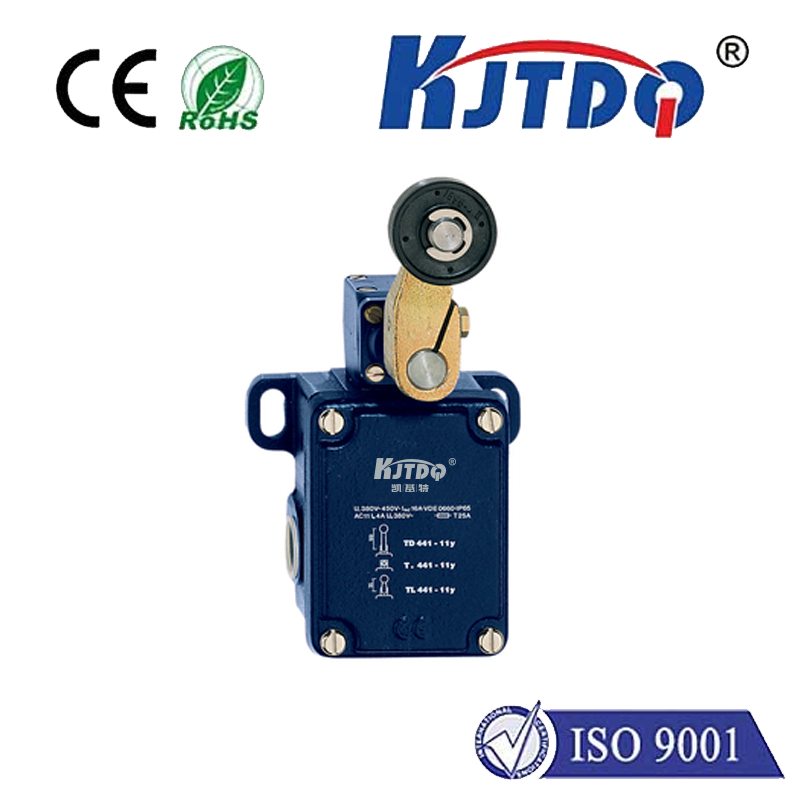
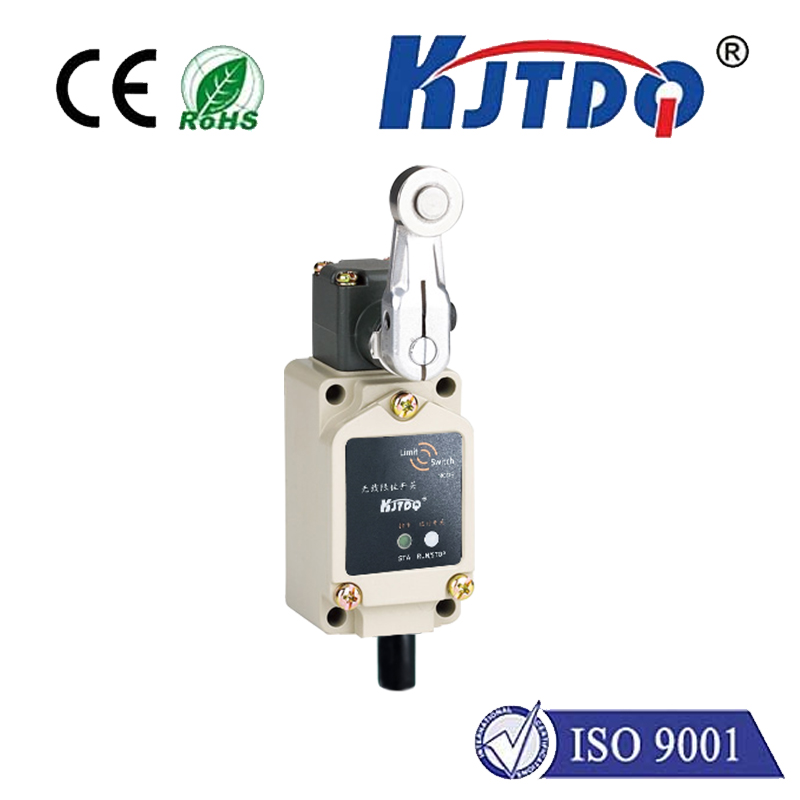
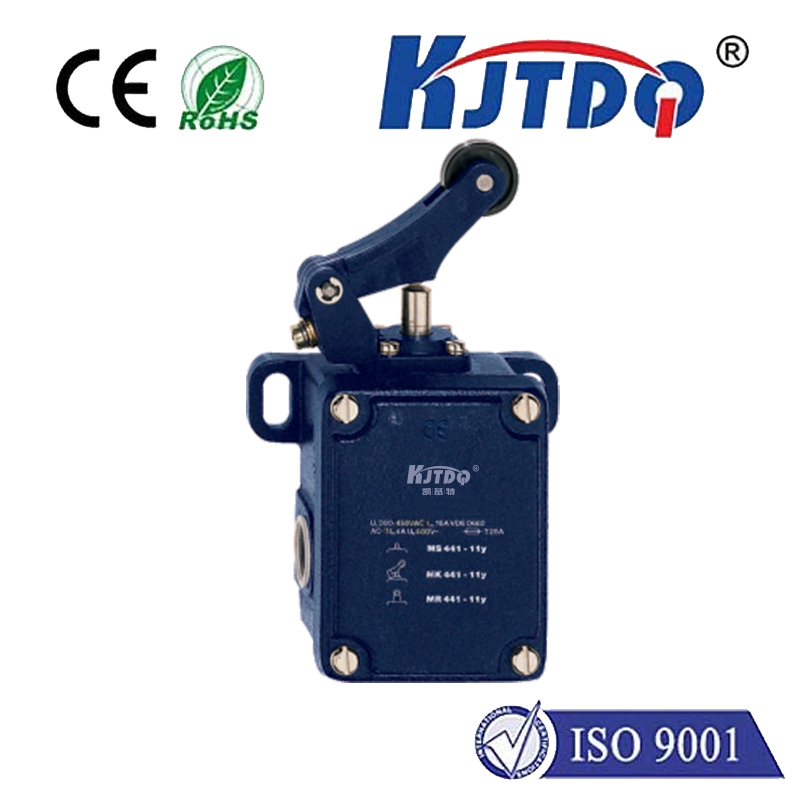
In the intricate world of industrial automation, where precision and reliability are non-negotiable, a seemingly simple component often serves as the ultimate guardian of machinery and processes: the manual limit switch. Far from being an outdated technology, these robust devices remain indispensable for providing definitive, physical position feedback and establishing hard safety stops in countless applications. A manual limit switch, at its core, is an electromechanical device operated by physical contact with a moving part. When an actuator (like a lever, roller, or plunger) on the switch is moved by a machine component reaching its predetermined limit, it triggers a change in the switch's internal electrical contacts. This action either opens or closes a control circuit, sending a clear signal to the system's controller to stop, start, or change the operation of the machine.
The enduring value of manual limit switches lies in their simplicity, durability, and fail-safe nature. Unlike purely sensor-based systems, they offer a tangible, mechanical confirmation of position. This direct physical interface makes them exceptionally reliable in harsh environments where dust, moisture, vibration, or electromagnetic interference could compromise more delicate electronic sensors. Industries such as manufacturing, material handling, packaging, and heavy machinery rely on them to prevent over-travel in cranes, coordinate the movement of conveyor belts, verify the open/closed status of doors and guards, and sequence complex automated routines. Their design is straightforward, typically consisting of a rugged housing protecting the switching mechanism, an actuator head suited to the specific application (e.g., a roller lever for cam tracking, a rigid lever for direct push, or a wobble stick for multi-directional contact), and sealed terminals for electrical connection.
Selecting the right manual limit switch involves careful consideration of several key factors. The electrical rating, including voltage and current (both AC and DC), must match the control circuit's requirements. The mechanical life expectancy, often rated in millions of operations, dictates suitability for high-cycle duties. The housing's Ingress Protection (IP) rating is critical for environmental resilience, indicating its defense against solids and liquids. Furthermore, the actuator type must be chosen to engage reliably with the target machine part. Proper installation and regular maintenance are paramount to ensure longevity and consistent performance. This includes secure mounting to prevent misalignment, correct adjustment of the operating position and actuator pretravel, and periodic inspection for wear on the actuator and housing integrity.
While advanced proximity sensors and vision systems continue to evolve, the manual limit switch holds its ground. Its advantages are clear: it provides an unambiguous, on/off signal; it is often more cost-effective for simple position detection tasks; it can serve as a mandatory safety interlock, physically preventing operation if a guard is not in place; and its operation is easily understood and diagnosed by maintenance personnel. In modern systems, these switches are frequently integrated with PLCs (Programmable Logic Controllers) and other digital control systems, forming a hybrid approach that leverages both brute-force mechanical reliability and sophisticated electronic processing.
Ultimately, the manual limit switch exemplifies the principle that the most effective solutions are often the most direct. It is a workhorse of industrial control, a first line of defense against equipment damage and a fundamental building block for automated sequence control. For engineers and technicians designing or maintaining systems where position certainty is critical, understanding and correctly applying this fundamental component is not just a technical detail—it is a cornerstone of operational safety, efficiency, and reliability. Its continued prevalence in blueprints and on factory floors worldwide is a testament to its unmatched utility in translating physical motion into a definitive electrical command.