check

check

check

check

check

check
In the demanding world of industrial automation, where precision and reliability are non-negotiable, the choice of components can make or break an entire production line. Among these critical components, the limit switch stands as a silent sentinel, ensuring machinery operates within safe and defined parameters. The DXP limit switch has emerged as a prominent name in this space, synonymous with durability and consistent performance in harsh environments. This guide delves into the core features, applications, and selection criteria for DXP limit switches, providing essential insights for engineers and maintenance professionals.
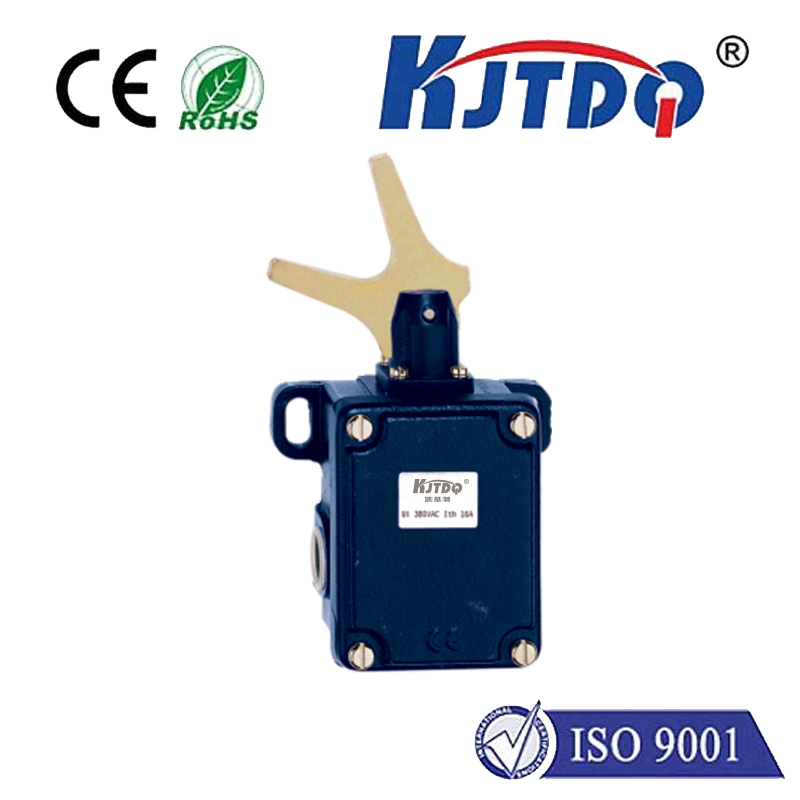
At its heart, a DXP limit switch is an electromechanical device designed to detect the presence or absence of an object, or to monitor the limits of mechanical motion. When an actuator—such as a cam, lever, or plunger—is triggered by a moving part of a machine, it causes the switch's internal contacts to change state. This simple action sends a crucial electrical signal to the control system, which can then initiate a sequence, such as stopping a conveyor, reversing a motor, or activating a safety protocol. The robustness of the DXP series lies in its construction. Typically housed in a rugged, sealed metal or high-grade polymer enclosure, these switches are built to withstand extreme conditions including dust, moisture, oil, high-impact shocks, and significant temperature variations. This IP (Ingress Protection) rated sealing is fundamental for operations in industries like automotive manufacturing, material handling, and heavy machinery.
The versatility of DXP limit switches is reflected in their various actuator types. Common configurations include roller lever switches, ideal for detecting moving objects on a conveyor; plunger types for precise linear motion detection; and whisker or wobble stick actuators for applications requiring sensitivity from any direction. Each type is engineered for specific mechanical interactions, ensuring accurate and repeatable triggering. Beyond basic detection, advanced DXP models offer features like slow-action contacts for reduced arcing and longer life, positive opening mechanisms that are critical for safety-related functions, and a variety of electrical terminations for easy integration into existing control panels.
Selecting the right DXP limit switch requires careful consideration of several operational factors. First, assess the environmental conditions: the required IP rating for protection against solids and liquids is paramount. Next, consider the mechanical specifications: the operating force, release force, and pretravel distance must match the physical interaction of the machine. Electrical ratings are equally critical; the switch's voltage and current (AC or DC) capacity must meet or exceed the load requirements of the circuit it controls to prevent premature failure. Finally, the mounting configuration and actuator style must be compatible with the machine's design and the nature of the target object's movement.
In practical application, DXP limit switches are the workhorses of automation. On an automated packaging line, they ensure cartons are correctly positioned for sealing. In a CNC machine, they define the precise travel limits of the cutting tool, preventing catastrophic collisions. Within elevator systems, they provide critical signals for leveling and door safety. Their reliability directly impacts uptime, product quality, and most importantly, worker safety. Proper installation and routine maintenance, such as checking for actuator alignment, ensuring tight seals, and verifying electrical continuity, are essential to maximize the service life of these devices.
While newer technologies like proximity sensors (inductive, capacitive) offer contactless operation, the electromechanical DXP limit switch remains irreplaceable for many applications. Its key advantages include physical robustness, the ability to handle high-current loads directly without additional interfaces, and a straightforward, easily understood operation that simplifies troubleshooting. It provides a tangible, mechanical confirmation of position that is often preferred for critical safety interlocks. For engineers seeking a proven, cost-effective, and highly reliable solution for motion control and position sensing, the DXP limit switch continues to be a cornerstone of industrial design, ensuring machines operate not just smartly, but safely and reliably day after day.