check

check

check

check

check

check
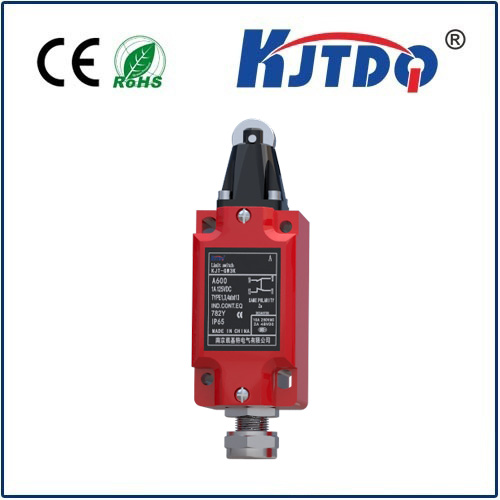
In the complex world of industrial automation and process control, the seamless interaction between components is paramount for safety, efficiency, and reliability. Among these critical components, the limit switch plays a foundational role, and its application within boiler systems is a prime example of precision engineering safeguarding vital operations. A limit switch for a boiler is not merely an accessory; it is a dedicated sentinel, designed to monitor specific physical conditions and trigger actions that prevent hazardous situations and optimize performance.
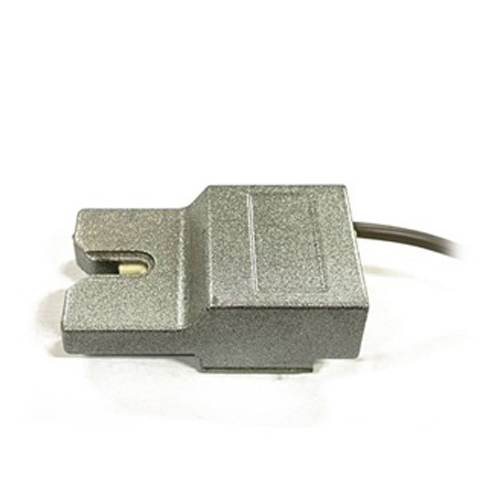
Boilers are the workhorses of numerous industries, providing essential steam or hot water for power generation, manufacturing, heating, and more. Their operation involves high pressures and temperatures, creating an environment where control and safety cannot be compromised. This is where a specifically engineered limit switch becomes indispensable. Typically, these switches are mechanically actuated and are strategically installed to monitor parameters like water level, pressure, or flame status. Their primary function is to act as a fail-safe. For instance, a high-limit pressure switch will automatically shut down the fuel supply or activate an alarm if the boiler pressure exceeds a pre-set safe maximum. Similarly, low-water cutoff switches prevent the boiler from firing if the water level drops dangerously low, averting catastrophic damage from overheating.
The integration of a limit switch into a boiler control system exemplifies a layered safety approach. Modern boilers often employ multiple limit switches, each serving a distinct protective function. This redundancy is crucial. If one safety mechanism were to fail, another is in place to intervene. The switch itself is a model of robust design, built to withstand the demanding conditions near a boiler—resistant to vibration, temperature fluctuations, moisture, and dust. Its electrical contacts are engineered for reliability, ensuring a clear signal is sent to the boiler's main controller or safety circuit when actuated.
Beyond critical safety interlocks, limit switches contribute significantly to operational efficiency and automation. They can be used to sequence operations, such as initiating the startup of feedwater pumps once a certain low level is detected or cycling burners on and off to maintain optimal pressure within a band. This precise control minimizes energy waste, reduces wear and tear on mechanical components, and helps maintain consistent output quality. For facility managers, this translates into lower operational costs, reduced downtime, and compliance with stringent industrial safety regulations.
Selecting the right limit switch for a boiler application requires careful consideration. Factors such as the set point (the specific pressure, level, or temperature at which it must actuate), the type of output (snap-action for definitive switching, or proximity for non-contact sensing), the electrical rating, and the housing's ingress protection (IP) rating are all critical. It is imperative to choose switches that are certified for use in safety-related functions and are compatible with the boiler's control architecture. Regular testing and maintenance of these switches are non-negotiable aspects of a responsible boiler management program, ensuring they remain in perfect working order.
In conclusion, the limit switch within a boiler system is a quintessential safety device, a silent guardian that operates continuously to protect personnel, equipment, and the continuity of industrial processes. Its role in preventing overpressure scenarios, low-water conditions, and other potential failures is invaluable. By ensuring precise control and providing reliable fail-safe actions, a well-specified and maintained limit switch boiler system is a cornerstone of modern, safe, and efficient industrial operation, delivering peace of mind alongside performance.