check

check

check

check

check

check
In the rapidly evolving landscape of industrial automation and smart device integration, the demand for reliable, compact, and efficient sensing solutions has never been greater. Among the myriad of components driving this silent revolution, the small proximity sensor switch stands out as a critical enabler of precision, safety, and efficiency. This article delves into the core functionality, diverse applications, and significant advantages of these miniature yet powerful devices, specifically highlighting the KJTDQ series as a prime example of innovation in the field.
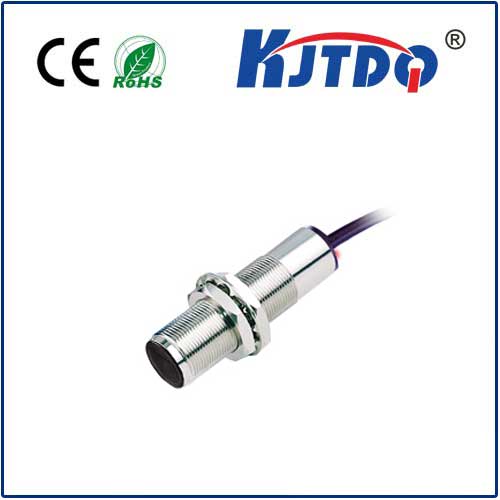
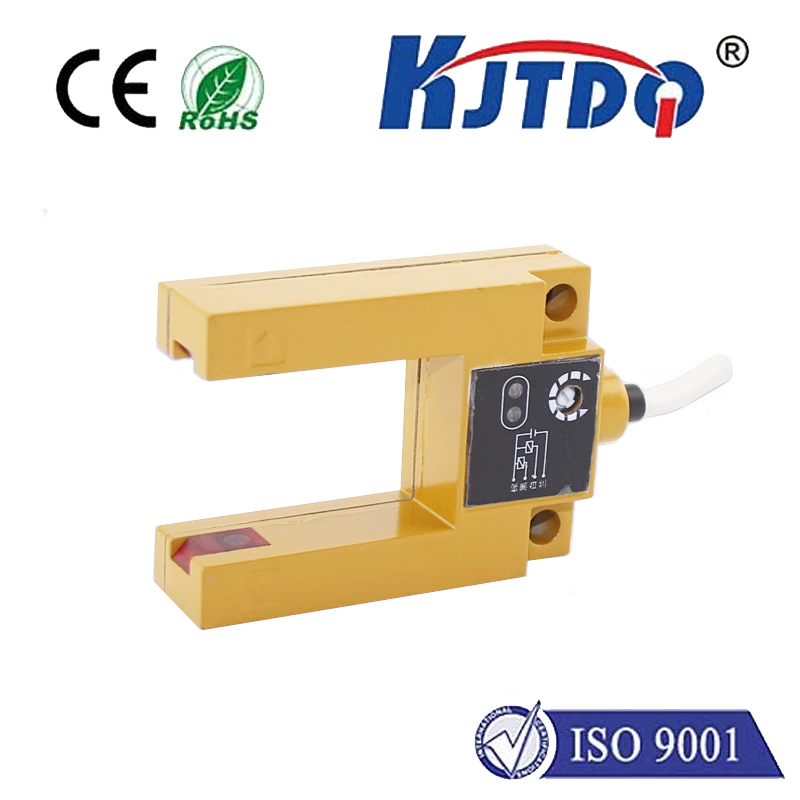
A small proximity sensor switch is a non-contact electronic device designed to detect the presence or absence of an object within a specified range without any physical contact. It operates by emitting an electromagnetic field or a beam of electromagnetic radiation (such as infrared light), and then monitoring for changes in the field or return signal. When a target object enters the sensing zone, it causes a detectable alteration, prompting the sensor to send an electrical signal to the connected control system. This fundamental principle allows for wear-free operation, high-speed response, and exceptional reliability in various environmental conditions.
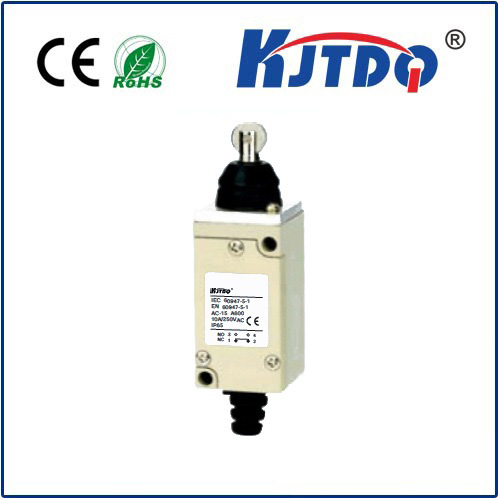
The applications for these compact sensors are vast and continually expanding. In manufacturing and assembly lines, small proximity switches are indispensable for tasks like object counting, position verification, and end-of-travel detection for robotic arms. Their small size allows for installation in tight spaces where traditional mechanical switches would be impractical. Within the consumer electronics sector, they enable features such as automatic screen wake/sleep in smartphones and laptops, detecting when a user is near. The automotive industry relies on them for safety systems, including detecting seat occupancy or the position of windows and doors. Furthermore, in the realm of home and building automation, they contribute to energy savings by controlling lighting and HVAC systems based on occupancy.
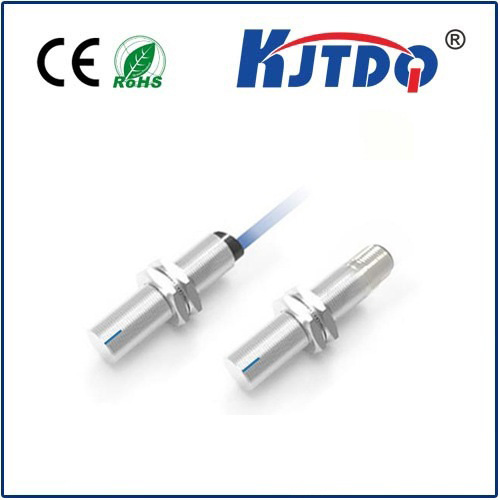
The KJTDQ series of small proximity sensor switches embodies the cutting-edge advancements in this technology. Engineered for high performance in minimal packages, these sensors offer several distinct benefits. First is their exceptional precision and repeatability, ensuring consistent detection even for small or fast-moving targets. Second, their robust construction often features housing materials resistant to dust, moisture, and oil, making them suitable for harsh industrial environments. Third, modern versions like the KJTDQ models frequently incorporate advanced features such as short-circuit protection, reverse polarity protection, and noise immunity, enhancing overall system durability and reducing downtime. Finally, their low power consumption aligns perfectly with the growing emphasis on energy-efficient designs across all industries.
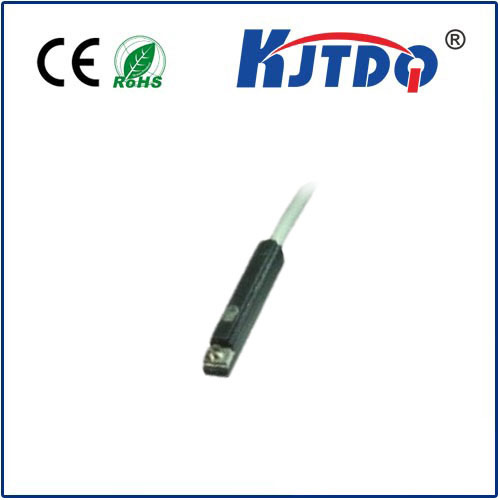
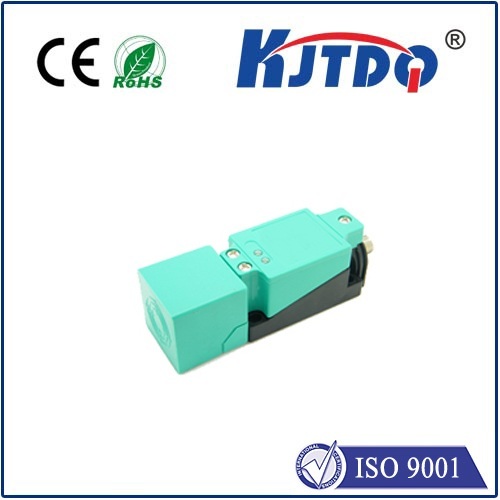
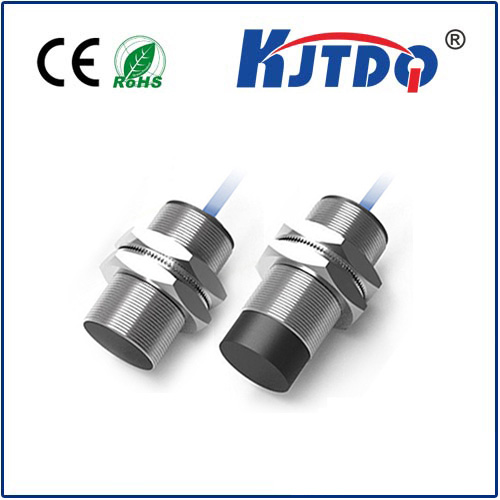
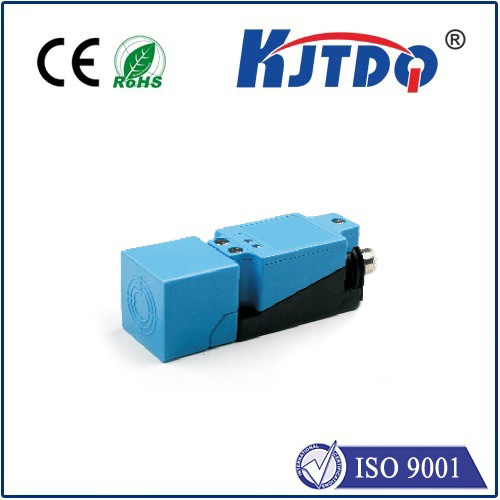
Choosing the right small proximity sensor switch requires careful consideration of several parameters. The sensing distance, which varies from a few millimeters to several centimeters, must match the application's needs. The type of output (e.g., NPN or PNP transistor, analog) must be compatible with the controller's input module. Environmental factors like temperature extremes, potential chemical exposure, and required ingress protection (IP) ratings are also crucial. The physical size and mounting style (threaded barrel, rectangular) must fit the designated space. The KJTDQ series typically offers a range of options within these categories, providing flexibility for design engineers.
The integration of a small proximity sensor switch, such as a model from the KJTDQ line, into a system is generally straightforward. However, attention to detail is key for optimal performance. Proper mounting is essential to avoid false triggers from surrounding metal (for inductive sensors) or from background interference. Correct wiring according to the datasheet specifications ensures safe and reliable operation. Regular maintenance, though minimal, involves keeping the sensing face clean from obstructions and verifying performance as part of a routine preventative maintenance schedule.
Looking ahead, the trajectory for small proximity sensor technology points toward even greater miniaturization, enhanced intelligence, and improved connectivity. Future iterations may integrate more sophisticated diagnostics, wireless communication capabilities for IoT applications, and the ability to distinguish between different materials or colors. The ongoing development of series like KJTDQ will continue to push the boundaries, enabling smarter, more responsive, and more efficient automated systems across every sector.
In conclusion, the humble small proximity sensor switch is a foundational component in modern automation. Its ability to provide accurate, contactless detection in a tiny footprint makes it irreplaceable. Products like the KJTDQ series demonstrate how continuous refinement in design and functionality can deliver robust solutions that meet the complex demands of today's and tomorrow's technological challenges, driving progress one precise detection at a time.